
Can a diplomatic handshake in a ballroom really stop a conflict that has ground into a frozen, high-tech stalemate? As the war in Ukraine enters its fifth year, the narrative of "victory" has been replaced by the grim reality of a 1,200km (745-mile) front line where, according to a senior U.S. official via Al Jazeera, neither side is making significant progress.
The real story here isn't the theater of competing territorial claims — it's the desperate attempt to leverage a shifting geopolitical landscape before the battlefield logistics collapse entirely.
A War of Attrition and Optics
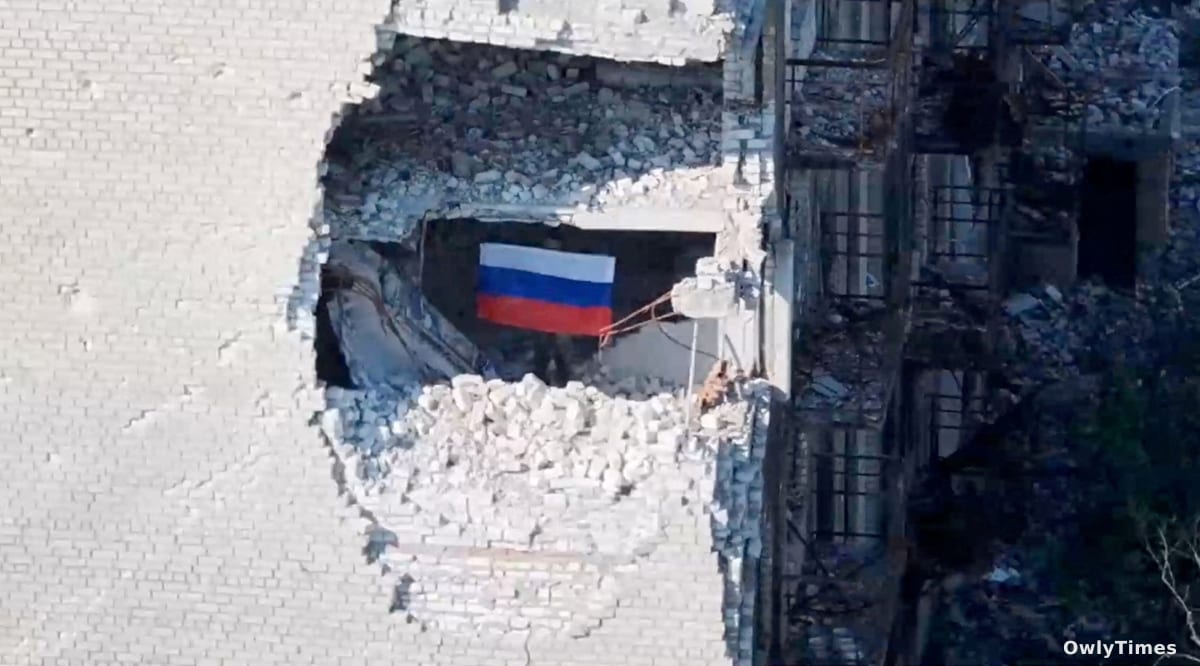
The friction point this week is the city of Kostiantynivka. Russia’s Defence Ministry claims its forces have captured the industrial hub, a development Vladimir Putin touted in military fatigues as a "major strategic importance" for further advances into the Donetsk region, according to ABC News. Yet, Volodymyr Zelenskyy dismissed the claim as "another Russian lie" on X.
The disagreement extends beyond geography into macabre logistics. Moscow publicly accused Ukraine of refusing a six-hour ceasefire intended for the handover of fallen soldiers, a deadline that passed at 09:00 GMT on Sunday. Whether or not the city has fallen, the dispute highlights a broader trend: both sides are using humanitarian gestures and military claims as chess pieces to frame the narrative ahead of this week’s NATO summit in Ankara.
The Fuel Crisis: A Hidden Front
While politicians trade barbs, the infrastructure of the war is quietly buckling. The real story here isn't just the missiles; it's the fuel. According to ABC News, Ukraine’s persistent drone campaign against Russian oil refineries has cut roughly one-third of the country's refining capacity.
Think of this like a high-performance engine running on a punctured fuel line. With gasoline production in Russia down 17% to 850,000 barrels a day, the government has resorted to legalizing lower-quality, high-sulfur gasoline to keep its war machine moving. While Putin has publicly shrugged off these shortages as "not critical," the damage to refineries is severe enough that major repairs are expected to drag on until the end of the year.
The NATO Summit and the Trump Variable
The focus of the international community is now pivoting to Ankara, where Donald Trump is scheduled to hold a series of high-stakes meetings. Following nearly 90-minute phone calls with both Zelenskyy and Putin over the July Fourth weekend, the White House has confirmed that Trump will meet with the Ukrainian president on Wednesday, per CNBC.
The urgency is palpable. Sources cited by The Independent report that Kyiv is reeling from a massive, multi-wave barrage of ballistic missiles and drones that killed at least seven people in the capital, following a previous strike last week that claimed 30 lives. This intensity of fire, combined with the U.S. president's stated desire to "bring this to a stop," suggests that the upcoming NATO summit will be less about long-term strategy and more about a desperate scramble for a ceasefire.
The disconnect remains vast: Putin continues to demand the abandonment of NATO aspirations and the surrender of territory, while Ukraine views the upcoming summit as a "real prospect" to end the war through American resolve.
My prediction? Don't expect a formal peace treaty in Ankara. Instead, watch for the "security zone" rhetoric mentioned by Putin; the Kremlin is signaling that any diplomatic progress will be met with an escalation in missile strikes, effectively using the threat of destruction as a bargaining chip to freeze the current, albeit bloody, status quo.