
If you think the digital battlefield is limited to code, think again; the real story here isn't just about drones hitting metal, it’s about how systemic infrastructure dependencies have turned global energy markets into a high-stakes game of whack-a-mole. Just as a single faulty router can take down a corporate network, Ukraine’s latest long-range strikes on Russian oil terminals demonstrate that a massive, centralized energy grid is only as strong as its most vulnerable port.
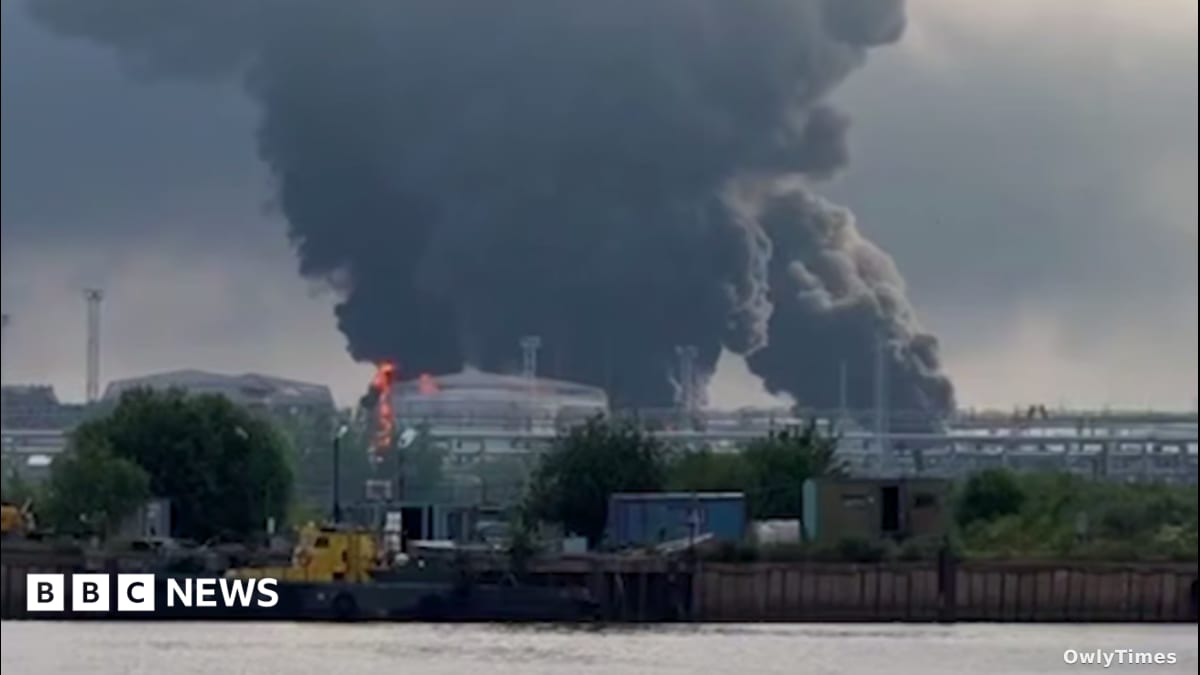
Ukraine launched a significant drone offensive over the weekend targeting St. Petersburg, striking a major oil terminal and a military base in Kronstadt, according to the BBC. While Russian Governor Aleksandr Beglov claimed that 72 drones were neutralized, he admitted the terminal was hit, a detail corroborated by ABC News. The terminal, described by the Ukrainian military as one of the largest in Russia with a capacity of 12.5 million tonnes of petroleum products annually, represents a critical node in Moscow’s war-financing machine.
The real story here isn't the tactical hit itself—it's the widening gap between the Kremlin’s public bravado and the domestic reality of fuel scarcity. While Vladimir Putin has publicly dismissed these strikes as "not critical," according to The Independent, he simultaneously signed a law to boost domestic fuel supplies. This is the geopolitical equivalent of a software company patching a security hole while insisting the data breach was "minor."
The diplomatic theater surrounding these strikes is equally complex. Both Al Jazeera and The Independent report that U.S. President Donald Trump held a 90-minute phone call with Putin on Saturday to discuss the conflict. Kremlin aide Yury Ushakov characterized the call as "constructive," while Volodymyr Zelenskyy confirmed he also spoke with Trump, noting a "real prospect" for ending the war.
However, the narrative on the ground remains fiercely contested. Putin claimed on Friday that Russian forces had captured the strategic eastern city of Kostyantynivka, a statement reported by ABC News. Conversely, the BBC notes that Ukrainian military spokesman Maj. Andriy Kovalyov explicitly denied this, labeling the claim "outright disinformation." This discrepancy highlights a fundamental breakdown in the shared reality between the two combatants, reminiscent of conflicting server logs in an unpatched system.
For the average citizen, these disruptions aren't just headlines; they are direct impacts on the cost of living and energy stability. As Ukraine continues to target the "fortress belt" and energy infrastructure, the pressure on the Kremlin to maintain a narrative of control will only intensify. The next measurable signal for us to watch will be the NATO summit in Ankara, starting July 7, where world leaders—including Trump and Zelenskyy—are expected to meet to reconcile these disparate reports and determine the next phase of the conflict.