
Does the modern battlefield care more about the precision of a drone strike or the simple, brutal reality of a thermometer? The real story here isn’t just the shifting front lines in Ukraine—it’s the way extreme weather has become a primary combatant, forcing both Moscow and Kyiv to pivot their entire war machines around the simple need for water and electricity.
While military analysts focus on the high-tech, the average Ukrainian citizen is currently living through a logistical nightmare. According to The Independent, temperatures in frontline regions like Kherson and Zaporizhzhia have surged to 37C, transforming Soviet-era T-72 tanks into literal steel ovens. Because these older models lack the air conditioning standard in Western-supplied tanks like the Abrams or Leopard, crews are being forced to shift their combat operations to the night or early morning. This isn't just a comfort issue; it is a tactical constraint. As the deputy commander of the NC13 Unmanned Ground Systems Strike Unit, known by the callsign ‘Nats’, noted, the extreme heat significantly increases the burden on logistics, as the need for water and supplies skyrockets while delivery routes become harder to maintain.
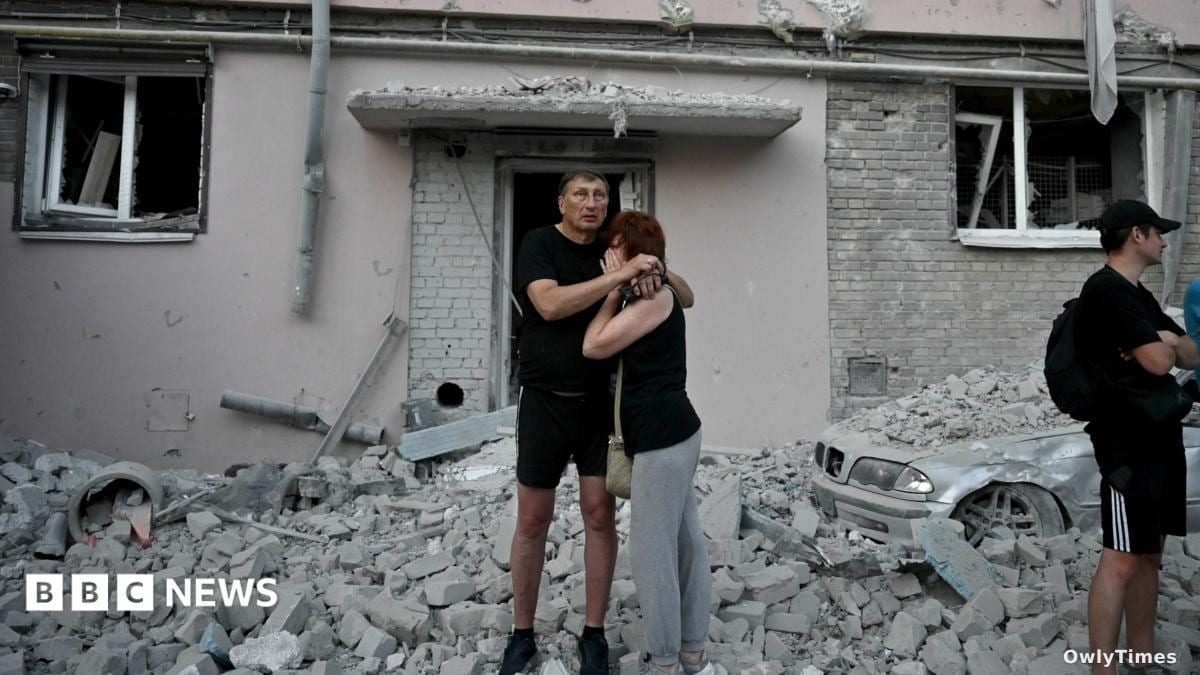
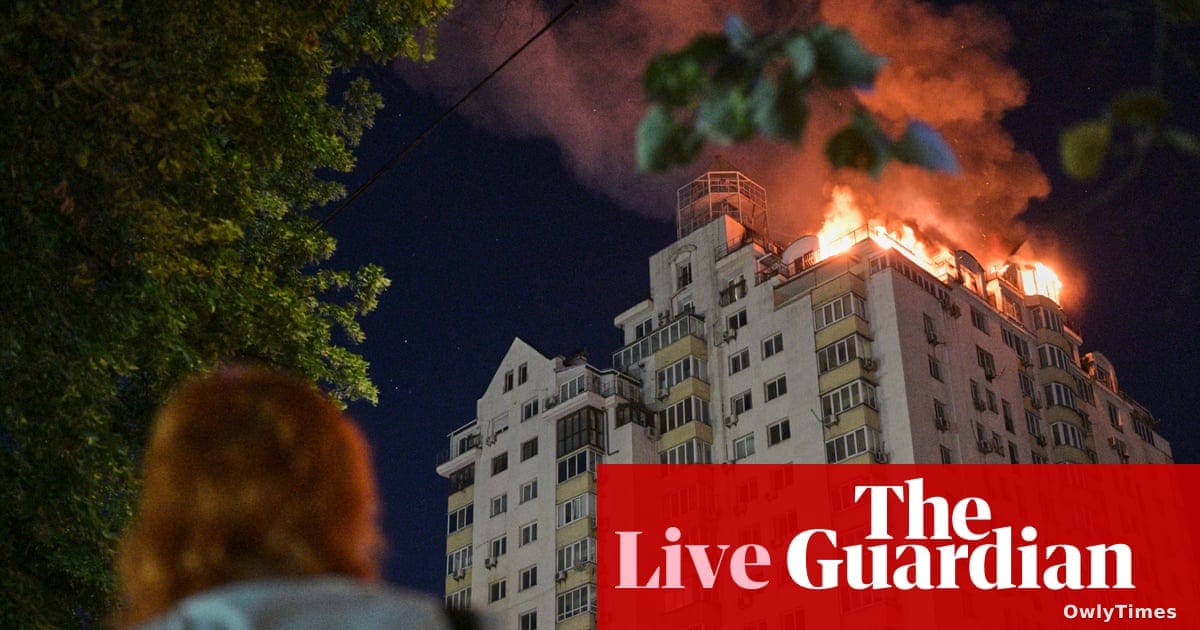
The energy grid, already fragile from years of conflict, is crumbling under the heatwave. The Independent reports that authorities have been forced to implement emergency power outages across Ukraine to prevent total grid collapse. This mirrors the broader instability felt in the capital, where The Guardian reports that a massive overnight Russian drone and missile strike damaged 30 locations, including residential buildings and a medical facility. The death toll from that specific attack has reached 17, according to Ukraine’s emergency services, as cited by The Guardian.
Across the border, the narrative of invincibility is showing cracks. In a rare public admission, Vladimir Putin acknowledged that Ukrainian strikes on Russian energy and logistics infrastructure are creating "problems" for the Kremlin, according to CBS News. While Putin dismissed the shortages as "not critical," the data suggests otherwise. CBS News highlights a severe shortage of S-300 missile interceptors, a weakness that is magnifying the impact of Ukrainian strikes. Meanwhile, Russian authorities in Crimea have declared a state of emergency, effectively halting fuel sales to civilians.
The diplomatic fallout remains equally volatile. The Guardian reports that German prosecutors have alleged Ukrainian state authorities were behind the 2022 Nord Stream sabotage, a claim that complicates Kyiv’s relationship with Berlin. Simultaneously, the internal pressure on the Kremlin is mounting; a survey from the Institute for Conflict Studies and Analysis of Russia, cited by CBS News, found that 81% of Russians now support ending the war, the highest level of public opposition recorded since 2022.
The next major signal to watch is the NATO summit in Ankara, which The Guardian identifies as the venue where Western support for Ukraine will be further solidified, likely marking a shift in how these cooling-off diplomatic and military tensions are managed.