
Does the digital age actually make us more connected, or are we just watching the same global theater from different, increasingly polarized screens? The real story here isn't just the inflammatory rhetoric echoing through Tehran—it’s the stark disconnect between the high-stakes, real-world conflict currently reshaping the Strait of Hormuz and the performative, almost algorithmic nature of the funeral processions for the late Supreme Leader Ali Khamenei.
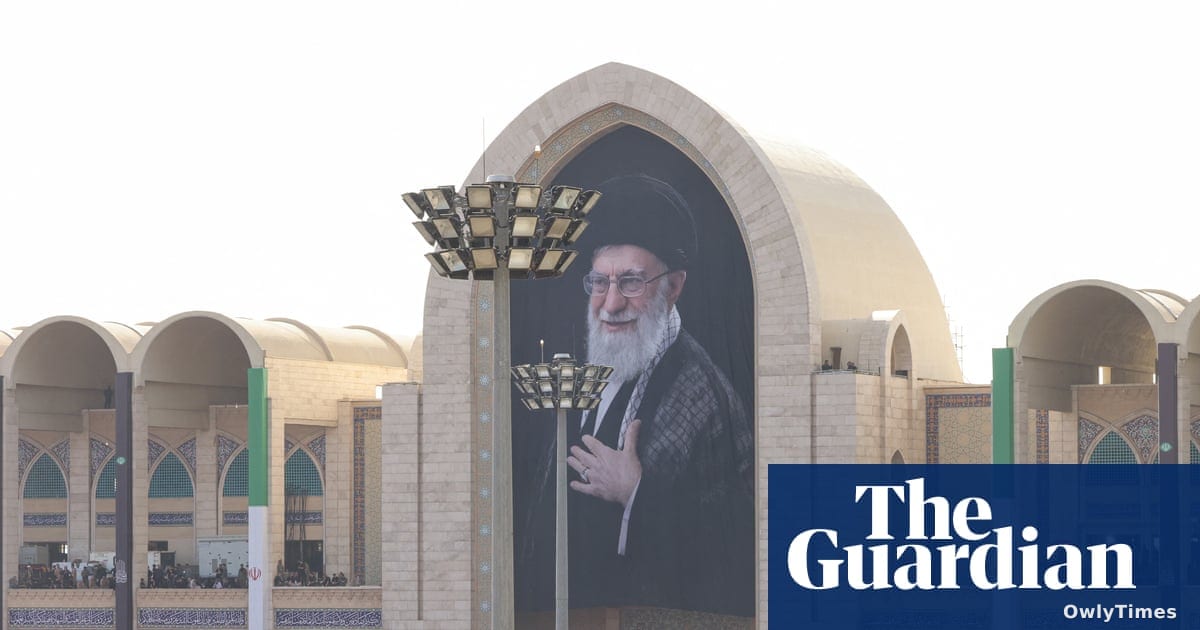
On Sunday, the second day of state-mandated mourning at Tehran’s Imam Khomeini Grand Mosalla, the event transformed into a stage for geopolitical provocation. As reported by The Guardian and Euronews, poet Mohammad Rasouli led a recitation that explicitly called for the assassination of U.S. President Donald Trump. While The Independent notes this is believed to be the first direct call for the President’s death by an emcee at the event, it mirrors the broader, choreographed displays of "red flags of vengeance" observed by Al Jazeera.
The logistical footprint of this event highlights how tech-dependent modern statecraft has become. According to both Al Jazeera and The Independent, Tehran’s metro authority recorded 7 million passenger journeys between Saturday and Sunday morning, a data point that underscores the state's massive mobilization effort. Yet, the physical absence of the new supreme leader, Mojtaba Khamenei, remains the most glaring technical glitch in this display of continuity. While his brothers Mostafa, Massoud, and Meysam appeared, The Guardian reports that Mojtaba has not been seen in public for three months, with The Independent citing inner-circle sources who claim he suffered significant leg injuries and facial disfigurement during the February 28 airstrikes.
The rhetoric from Washington is equally performative, functioning like a live-streamed commentary on a volatile market. ABC News and Euronews both quote President Trump boasting from South Dakota that he gave the Iranians "a week off" for the funeral. Trump’s comment to Axios—that he is monitoring the funeral and could take them all out with "one shot" but chooses not to—frames the funeral as a target-rich environment, a sentiment Laura Loomer previously echoed on social media, as noted by The Guardian.
For the ordinary user, these shifts are not just political abstractions; they are economic realities. The Independent reports that OPEC+ has approved an output increase of 188,000 barrels per day starting in August, aiming to stabilize energy markets as the Strait of Hormuz tentatively reopens. However, this recovery remains fragile.
The coming days will be a stress test for these diplomatic signals. As The Independent outlines, the funeral procession is scheduled to move through Qom, then across the border to the Iraqi cities of Najaf and Kerbala, before concluding in Mashhad on July 9. The real-world impact will be measured by whether this multi-city movement of millions remains a symbolic act of mourning or triggers the next phase of kinetic escalation in the region.