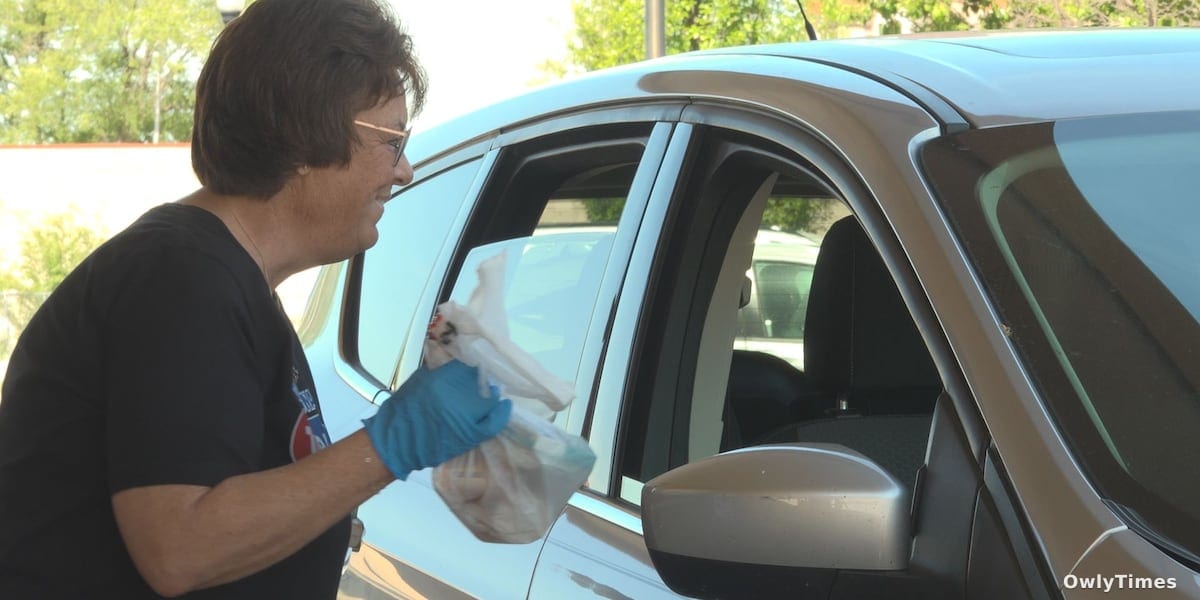

The challenge of securing a household against the risks of prescription drug misuse often begins in the medicine cabinet. While national initiatives draw significant public attention to the issue, the reality of pharmaceutical safety is a constant, year-round responsibility that extends far beyond a single Saturday on the calendar. On Saturday, April 25, the Drug Enforcement Administration (DEA) will hold its bi-annual Drug Take Back Day, a coordinated effort intended to clear homes of unused or expired medications. However, the true efficacy of these programs relies on understanding that the window for safe disposal is not actually confined to those four hours between 10 a.m. and 2 p.m.
The Reality of Household Access
When public health agencies discuss the dangers of unmonitored medication, they are often addressing the accessibility of potent painkillers within the home. Chattie Liehr Miranda, the opioid health education specialist at the Adams County Health Department (ACHD), identifies this as a critical intersection for preventing substance misuse among young people. According to Liehr Miranda, the home environment remains the primary source for adolescents obtaining substances like oxycontin. By securing or removing these medications, families can effectively close off the supply chain that often begins with prescriptions intended for older generations.
Distinguishing National Events from Daily Practice
The headlines surrounding Drug Take Back Day often imply that this is the only time residents can legally and safely purge their medicine cabinets. The study of public health behaviors suggests that this framing can create a "bottleneck effect," where citizens wait for the event rather than disposing of medications as soon as they are no longer medically necessary. In practice, the ACHD serves as a consistent local drop-off point in Quincy, where staff members not only collect unwanted pharmaceuticals but also provide Narcan to the community.
While the DEA-led event provides a high-visibility surge in collection, the infrastructure for permanent disposal is already functional. A notable limitation of the "event-based" model is that it ignores the accumulation of unused medication that occurs during the six months between national take-back days. Relying on a biannual schedule leaves a dangerous, albeit unintentional, window where controlled substances remain available to those who should not have access to them.
A Year-Round Disposal Mechanism
For those who cannot attend the April event, the process of safe disposal does not stop. The Adams County Health Department facilitates a mail-back program that allows for the destruction of unused medicine throughout the year. Residents can request a specialized “take back bag” to securely house old medications. Once the bag is filled and sealed, it is sent to a facility for incineration, ensuring the substances are permanently removed from the community.
Those interested in utilizing this service can contact the department directly at 217-222-8440 to request a bag from Liehr Miranda. This process represents a shift toward self-managed public health, moving the burden of safety from a one-day national directive to a sustainable, individual habit. The next reading of participation rates in the ACHD’s mail-back program will serve as a key indicator of whether the public is successfully moving toward this more consistent model of pharmaceutical waste management.





