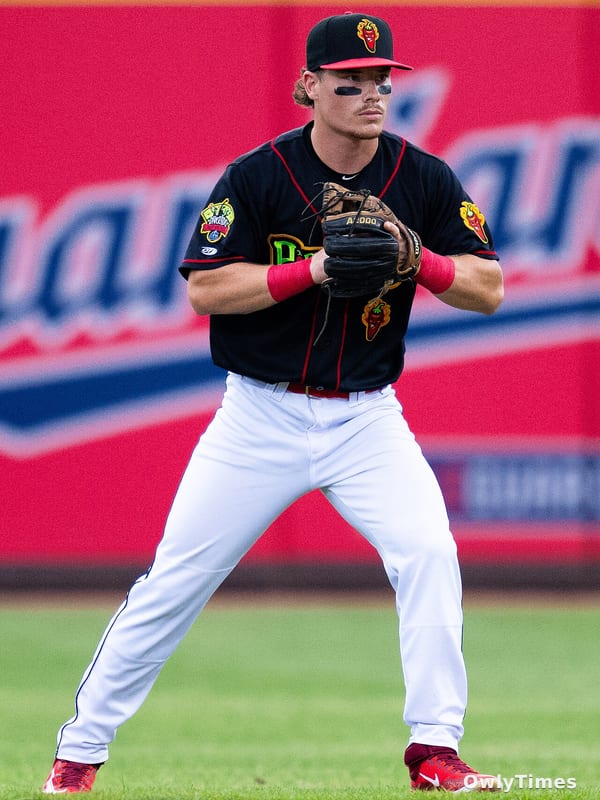

The crack of the bat echoed through the Tokyo Dome late Wednesday night, but it wasn’t the sound of a game-winning hit – it was Travis Bazzana, the first overall pick of the 2024 MLB Draft, launching a solo home run that extended Australia’s lead over Chinese Taipei. That swing, a moment of pure power, wasn’t just about adding to the score; it was a symbolic launch for the 2026 World Baseball Classic, a tournament increasingly defined by its collision of national pride, MLB star power, and a shifting global baseball landscape. While the final score (3-0 in favor of Australia) might seem like a standard opening-day result, it underscored a larger trend: the WBC is no longer simply a sideshow before the MLB season, but a legitimate cultural event with growing international significance.
The inclusion of 20 nations this year, with Colombia and Brazil earning their spots through grueling qualifiers, speaks to baseball’s expanding reach. It’s a far cry from the tournament’s inception, and a deliberate effort by MLB and the World Baseball Softball Confederation to cultivate new fan bases. But beyond the logistical expansion, the WBC is grappling with a fundamental tension: how to balance the desire for competitive integrity with the demands of a multi-billion dollar industry. The presence of 22 MLB All-Stars on Team USA’s roster – the most of any team – immediately positions them as favorites (-105 at BetMGM, edging out defending champions Japan at +350), but also raises questions about fairness. Is it a true “World” Classic when one nation can essentially field a super-team while others rely on a mix of domestic talent and minor leaguers?
This piece references the Yahoo Sports report.
This year’s tournament isn’t just about crowning a champion; it’s a test case for the future of international baseball. The WBC’s growth has been uneven. The 2023 final, a nail-biting 3-2 victory for Japan over the US, drew an average of 1.93 million viewers on Fox, a 38% increase from the 2017 final. But viewership numbers still lag behind other major sporting events, and sustaining that momentum requires more than just star power. It requires compelling narratives, underdog stories, and a genuine sense of national investment. The early games in Tokyo, with Korea’s 11-4 rout of Czechia fueled by four home runs – including a grand slam from Bo Gyeong Moon – offer a glimpse of that potential. The fact that three Korean-American players are on the Korean roster adds another layer of complexity, reflecting the increasingly transnational nature of the sport.
The pre-tournament exhibition games also revealed a fascinating dynamic. Aaron Judge’s towering home run in Team USA’s 14-4 win over the Colorado Rockies wasn’t just a display of individual brilliance; it was a statement. But the game itself, and the fact that Team USA utilized a Rockies organizational arm in relief, highlighted the inherent imbalance. MLB teams are understandably protective of their players, and the WBC schedule inevitably disrupts spring training. This creates a delicate negotiation between league interests and the desire to field the most competitive international teams. The injury to a Chinese Taipei player after being hit by a pitch during Wednesday’s game further underscores the risks involved, and the need for careful consideration of player safety.
Beyond the headlines of home runs and upsets, the 2026 WBC is a barometer of baseball’s global health. Will the tournament continue to attract top-tier talent, even with the inherent risks and disruptions? Will it successfully cultivate new fan bases in emerging markets like Brazil and Colombia? And, crucially, will MLB address the competitive imbalances that threaten to undermine the tournament’s credibility? As the action moves to San Juan, Miami, and Houston, and the stakes get higher, one question looms large: can the World Baseball Classic truly live up to its name, or will it remain a showcase for American dominance, albeit with a more international veneer? The answer will determine not just the future of this tournament, but the future of baseball itself on the world stage.