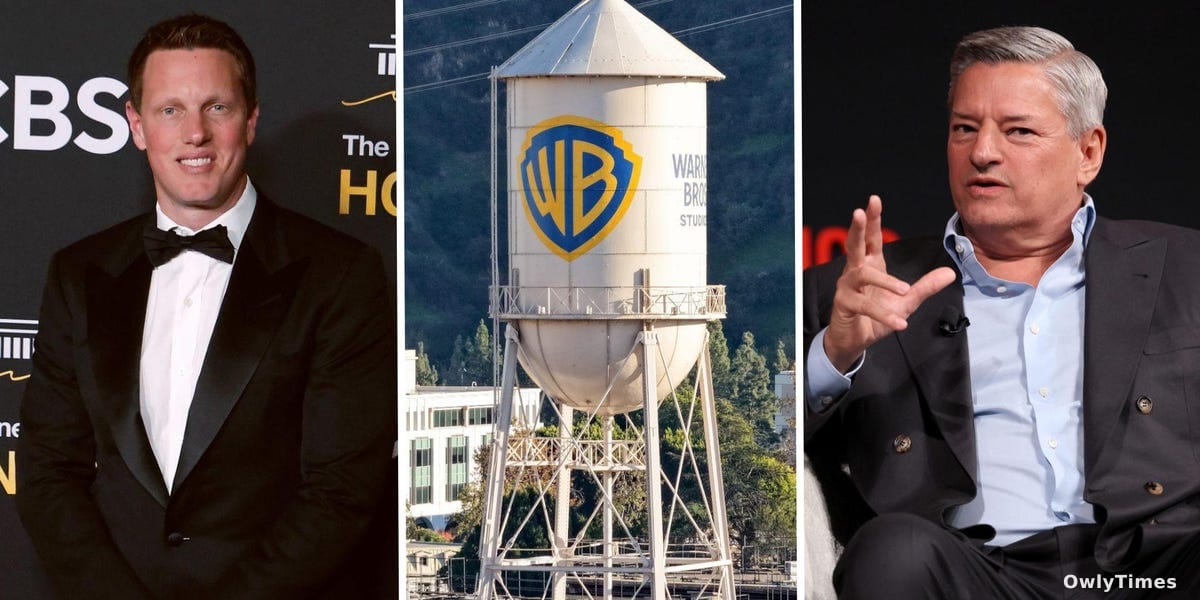

The hushed anticipation in the Warner Bros. Discovery boardroom on Tuesday afternoon felt less like a negotiation and more like a high-stakes poker game. Ten attempts in, David Ellison’s Paramount Skydance finally presented an offer – $31 per share, a dollar increase from previous bids – that didn’t immediately elicit a dismissive wave from the WBD board. But the carefully worded statement that followed – Paramount’s offer “could” be superior to Netflix’s – wasn’t a victory lap, but a calculated pause. This isn’t simply about dollars and cents; it’s a revealing moment about the shifting power dynamics in Hollywood, and the uncomfortable truth that the future of storytelling is being decided not by creative vision, but by who can write the biggest check.
The Allure of the Whole Package
For months, the narrative has framed Netflix’s pursuit of WBD as a surgical strike: acquire the studio assets and HBO’s prestige content, leaving the legacy cable networks – CNN, TruTV – to wither on the vine. Ted Sarandos and his team pitched a streamlined future, promising $2-3 billion in synergies and a focus on pure streaming power. But Warner Bros. Discovery’s board, led by CEO David Zaslav, has been hesitant to dismantle the entire empire. Paramount’s willingness to take on the whole package – the good, the bad, and the increasingly unprofitable cable channels – is the key to their newfound traction. This isn’t about believing in the long-term viability of linear television; it’s about maximizing shareholder value in a rapidly changing landscape. The $31 per share offer, coupled with a “ticking fee” of $0.25 per share per quarter starting September 30th (previously slated for January 2027), demonstrates a commitment to a complete acquisition that Netflix has deliberately avoided.
Drawn from Business Insider.
Beyond the Headlines: The Ellison Family Guarantee
The shift in WBD’s stance wasn’t solely about the price tag. Previous Paramount offers were plagued by concerns about financial backing and potential liabilities. The sticking points – equity backstop issues and the cost of a potential breakup fee to Netflix – were significant hurdles. Larry Ellison, David’s billionaire father and Oracle’s co-founder, stepped in to provide a crucial guarantee, effectively putting his vast fortune behind the deal. This isn’t just a financial maneuver; it’s a demonstration of the Ellison family’s unwavering commitment to building a media behemoth. It also highlights a growing trend: the increasing influence of tech billionaires in shaping the future of entertainment, a trend that raises questions about the role of artistic vision versus pure financial engineering. The willingness to cover WBD’s payout to Netflix if the board switched deals was a critical concession, removing a major obstacle and signaling a seriousness of intent.
Trump’s Shadow and the Regulatory Wildcard
While the boardroom drama unfolds, a separate, unpredictable force looms large: politics. Donald Trump’s erratic pronouncements regarding the deal – initially raising concerns about Netflix’s market share, then pledging to stay out of it, and finally singling out board member Susan Rice for criticism – inject a layer of uncertainty into the process. His demand that Netflix remove Rice, a former Obama and Biden administration official, or “pay the consequences” is a stark reminder that even a seemingly straightforward business transaction can become entangled in the political arena. This isn’t simply about Trump’s personal grievances; it’s about the potential for regulatory intervention, both in the US and abroad, that could derail the entire deal. The Department of Justice’s antitrust review will be pivotal, and Trump’s unpredictable stance adds another layer of complexity to an already fraught situation.
What This Moment Reveals About Hollywood’s Future
The fact that Warner Bros. Discovery is even considering a full acquisition by Paramount, after initially dismissing their offers, speaks volumes about the current state of the media industry. The streaming wars have proven far more costly and challenging than anticipated, and the pressure to consolidate is immense. Netflix’s initial strategy of cherry-picking assets, while financially prudent, may ultimately prove shortsighted. The industry is realizing that scale matters, and owning the entire ecosystem – even the struggling parts – provides a degree of control and leverage that a purely streaming-focused approach lacks. The next four days are critical. Netflix has the opportunity to sweeten its bid, but it must decide if acquiring the entire WBD is worth the price. If they don’t, they risk losing HBO, the crown jewel of their streaming ambitions, to a competitor willing to embrace the entirety of Warner Bros. Discovery’s legacy. The question now isn’t just who will win this bidding war, but what kind of Hollywood will emerge on the other side – one driven by artistic vision, or one solely dictated by the bottom line?