
Beyond Cancellations: Assessing the Ripple Effects of Weather-Driven Healthcare Prioritization
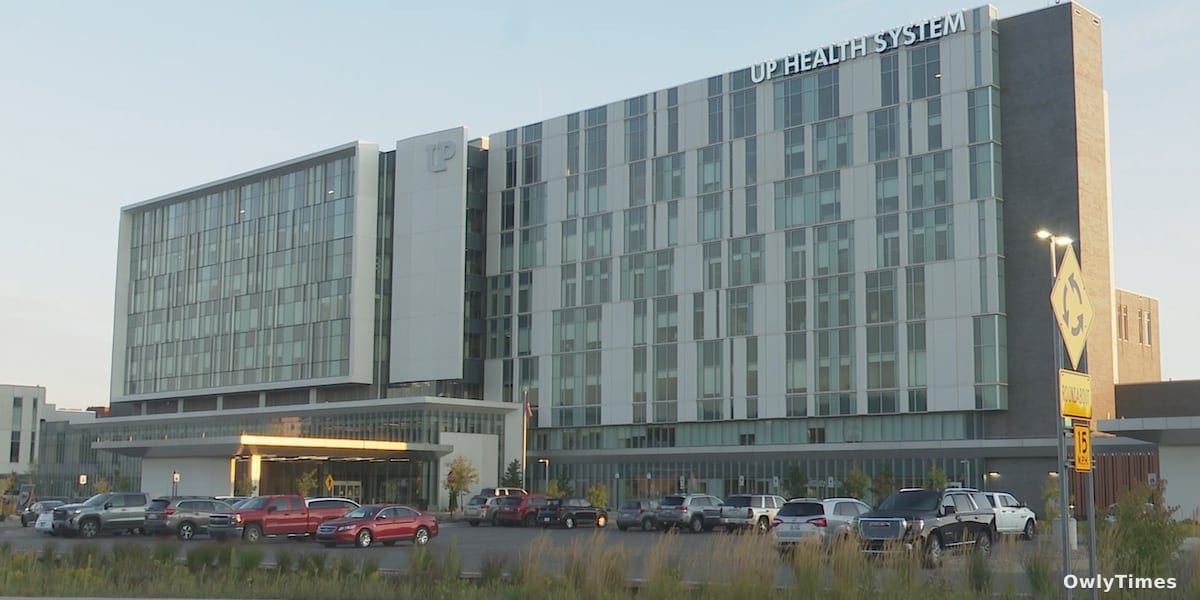
The decision by UP Health System - Marquette and UP Health System - Bell to scale back operations to essential services on Monday isn’t simply a matter of inconvenience for patients with scheduled appointments. It reflects a calculated, and increasingly necessary, triage within regional healthcare systems facing escalating climate-related disruptions. While headlines focus on closed clinics and postponed procedures, the core question this event raises is how healthcare infrastructure will adapt to a future where extreme weather isn’t an exception, but a predictable operational challenge. This isn’t about a snow day; it’s about the fundamental capacity of a healthcare system to maintain critical function under stress.
Reporting from uppermichiganssource.com informs this analysis.
The announcement, made via Facebook on Sunday afternoon, details a comprehensive curtailment of non-essential services. Specifically, all outpatient clinics in Marquette and Delta counties, alongside associated lab and imaging, physical, occupational, and speech therapy services, will be closed. The UP Regional Blood Center locations will also suspend operations, as will all scheduled (elective) procedures. Crucially, the hospitals themselves will remain open, prioritizing emergency care. This distinction – maintaining acute care while deferring preventative and rehabilitative services – is the defining characteristic of this response. It’s a prioritization based on immediate life-or-death scenarios, a stark illustration of resource allocation under duress. To put this in context, elective procedures typically account for a significant portion of hospital revenue – roughly 40-60% nationally – meaning these cancellations represent a substantial financial impact alongside the disruption to patient care.
Understanding the “Essential Services” Threshold
The term “essential services” is deliberately broad, and its application in this instance warrants closer examination. While emergency care is universally understood, the line between necessary and non-necessary becomes blurred quickly. For example, a patient undergoing chemotherapy might reasonably argue their treatment is essential, yet it’s categorized as an outpatient service subject to cancellation. UP Health Systems - Marquette’s decision-making process likely involved a risk assessment matrix, weighing the potential harm of delaying care against the risks to staff and patients attempting to travel and operate in hazardous conditions. This isn’t a failure of planning, but rather an acknowledgement that even the most robust contingency plans have limits when confronted with severe weather. The hospital’s statement emphasizes the safety of both patients and staff, a critical component often overlooked in discussions of healthcare resilience. Staffing shortages, already a pervasive issue in rural healthcare, are exacerbated when employees are unable to safely commute.
The Blood Supply Complication: A Hidden Vulnerability
The closure of the UP Regional Blood Center is perhaps the most concerning aspect of this service reduction, and one receiving less immediate attention. Blood supplies are notoriously fragile, with a limited shelf life and a constant need for replenishment. A single day’s disruption to donations can create a ripple effect, potentially impacting emergency surgeries and trauma care in the following days and weeks. According to the American Red Cross, the nation already faces a chronic blood shortage, and regional centers like the one in Marquette play a vital role in maintaining local inventories. While the hospital hasn’t specified the current blood supply levels, the proactive closure suggests a concern about potential donor and staff safety, and a desire to avoid further straining a vulnerable resource. This highlights a critical vulnerability in the healthcare supply chain – the reliance on consistent, voluntary donations that are easily disrupted by external factors.
Limitations to Consider: Data and Regional Specifics
It’s important to acknowledge the limitations of drawing broad conclusions from a single event. The severity of the weather conditions impacting the Upper Peninsula is a key factor, and the specific protocols implemented by UP Health Systems - Marquette may differ from those of other healthcare providers. Furthermore, the Facebook announcement provides limited detail regarding the criteria used to define “essential services” and the process for rescheduling cancelled appointments. Without access to internal hospital data, it’s difficult to assess the full extent of the disruption and the potential impact on patient outcomes. The reliance on a Facebook post as the primary source of information also introduces a potential bias, as the hospital is likely presenting its response in the most favorable light.
Looking Ahead: Building a Climate-Resilient Healthcare System
The situation in Marquette isn’t an isolated incident. Across the country, hospitals are grappling with the increasing frequency and intensity of extreme weather events, from hurricanes and wildfires to heat waves and blizzards. The next crucial research step isn’t simply to document these disruptions, but to develop standardized protocols for healthcare systems to assess their vulnerability and build resilience. This includes investing in infrastructure improvements – such as backup power generators and improved transportation networks – but also rethinking the delivery of care. Telehealth, for example, could play a larger role in providing continuity of care during weather-related disruptions. More importantly, we need to ask: how do we proactively manage patient expectations when predictable disruptions to care become the norm? Will insurance policies need to adapt to cover cancelled appointments due to climate events? The coming winter will be a critical test for healthcare systems across the Great Lakes region, and the lessons learned will be vital in preparing for a future defined by climate uncertainty.