
A Shifting Interpretation of Conscience: Abortion Coverage and Federal Funding
The recent announcement by the Trump administration launching investigations into 13 states regarding abortion coverage mandates isn’t simply a legal dispute; it’s a stark illustration of how a single piece of legislation, the Weldon Amendment, can become a political football, its meaning redefined with each change in presidential power. While headlines focus on the investigations themselves, the core issue is a fundamental disagreement over the scope of federal protection for healthcare entities objecting to providing abortion coverage – a disagreement that reveals a deeper tension between states’ rights and federally defined conscience protections. The investigations, targeting states including California, Colorado, and New York, aren’t about whether abortion is legal, but how insurance plans are required to cover it, and whether those requirements infringe on the rights of employers or insurers with religious or moral objections.
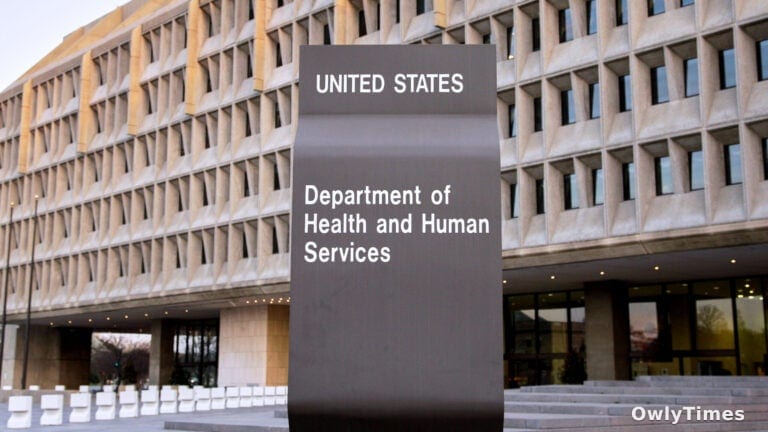
The Weldon Amendment, first enacted in 2005 as a rider to federal spending bills, prohibits states from discriminating against healthcare entities – hospitals, doctors, insurers – that refuse to participate in abortions. The ambiguity lies in who qualifies as a “healthcare entity” and what constitutes “discrimination.” For years, the interpretation remained relatively consistent, but the pendulum swung dramatically with the change in administrations. Under Joe Biden, the Department of Health and Human Services (HHS) under civil rights office leadership maintained the amendment did not extend to employers or health plan sponsors. However, the current Trump administration, through HHS civil rights office Director Paula M. Stannard, now asserts it does, stating the amendment protects health insurance issuers and plans from being forced to cover abortion services against their conscience. This reversal isn’t a discovery of new legal precedent, but a deliberate re-reading of existing text to align with a specific political agenda.
This isn’t the first time this debate has surfaced. In 2020, the previous Trump administration attempted to withhold federal healthcare funding from California based on a similar interpretation of the Weldon Amendment, a move swiftly reversed upon Biden’s inauguration. The current investigations, therefore, aren’t isolated incidents but part of a pattern, signaling a renewed effort to enforce a particular understanding of conscience protections. Stannard’s statement – “Under the Weldon Amendment, health care entities…are protected from state discrimination for not paying for, or providing coverage of, abortion contrary to conscience. Period” – underscores the administration’s firm stance, but it’s a stance built on a contested interpretation, not settled law. The states targeted, like New Jersey under Governor Mikie Sherrill, are already preparing to defend their policies, framing the investigations as politically motivated “fishing expeditions.”
Based on the original boston.com report.
The legal landscape surrounding the Weldon Amendment is complex, and the ambiguity in the text itself is a key factor. As Mary Ziegler, a law professor at the University of California, Davis, points out, the amendment doesn’t explicitly mention employers or plan sponsors, creating room for differing interpretations. While Democrats may argue the omission supports their view, the question remains unresolved in the courts. Furthermore, legal scholar Elizabeth Sepper of the University of Texas at Austin connects these investigations to the broader policy goals outlined in Project 2025, a conservative policy proposal advocating for stricter enforcement of conscience protections and even the withholding of Medicaid funding from non-compliant states. This context suggests the current actions aren’t simply about legal compliance, but about fulfilling promises to a specific political base.
Limitations to consider are significant. The investigations themselves are fact-finding missions, and it remains to be seen whether the HHS will ultimately attempt to withhold funding or pursue other enforcement actions. The legal challenges that will inevitably follow could take years to resolve, and the outcome is far from certain. Moreover, the focus on the Weldon Amendment distracts from the broader debate about abortion access and reproductive healthcare, potentially framing the issue solely as a matter of religious freedom rather than a fundamental right. The political nature of these investigations also raises concerns about the impartiality of the HHS civil rights office and the potential for selective enforcement.
Looking ahead, the crucial next step is whether these investigations lead to concrete action – specifically, attempts to withhold federal funding. If that occurs, the legal battles will intensify, likely culminating in a Supreme Court decision that could definitively clarify the scope of the Weldon Amendment. But beyond the legal outcome, it’s vital to watch whether other states, anticipating federal action, begin to preemptively alter their insurance coverage requirements. Will we see a chilling effect on state-level efforts to ensure comprehensive reproductive healthcare, driven not by legal mandate but by the fear of federal repercussions? That scenario, more than any court ruling, will reveal the true impact of this shifting interpretation of conscience.





