
The timing is the telling detail. The discovery of a single uncounted ballot from Madison’s February primary, while seemingly minor, isn’t an isolated incident of human error – it’s a pressure test on the city’s electoral infrastructure and a strategic response to mounting legal challenges. Lydia McComas, the current Madison Clerk, moved swiftly to disclose the error to the Wisconsin Elections Commission, a calculated move designed to demonstrate transparency and proactive remediation in contrast to the handling of a far larger discrepancy during the 2024 presidential election. This isn’t simply about counting every vote; it’s about controlling the narrative surrounding electoral integrity in a battleground state.
A Pattern of Errors and Legal Scrutiny
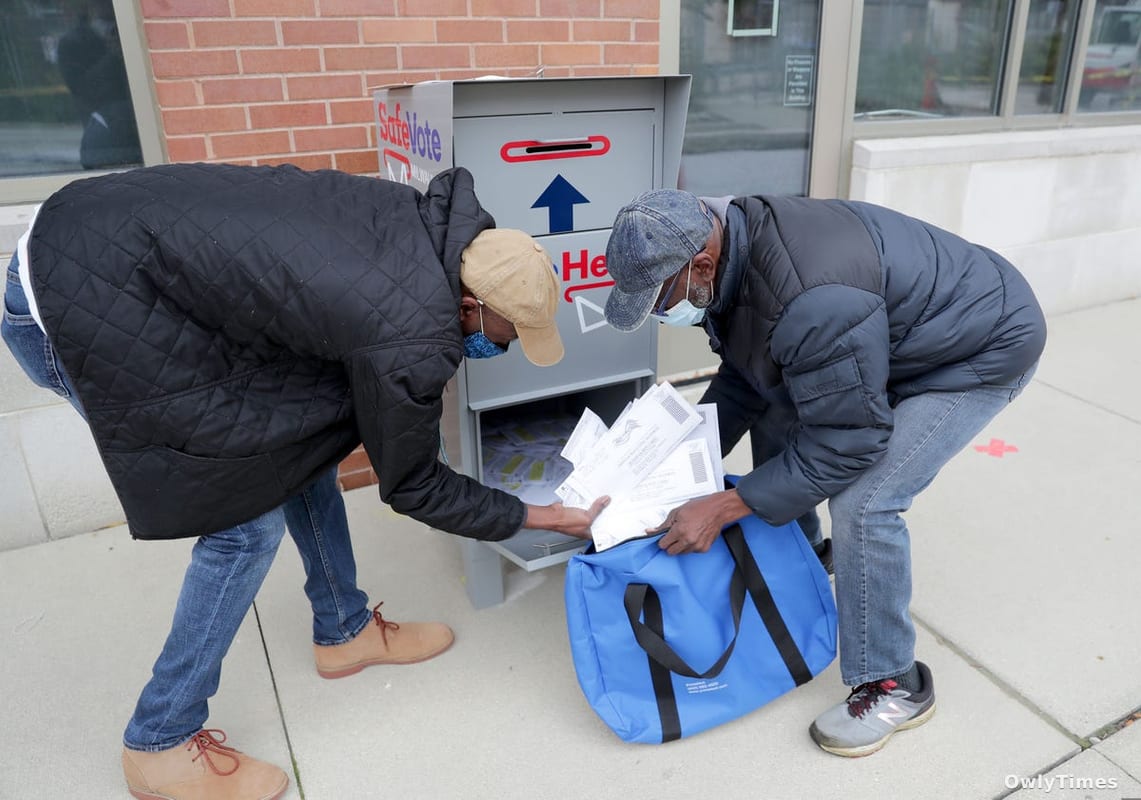
The uncounted ballot, found three weeks post-election tucked inside a laptop bag at an in-person absentee voting location, immediately recalls the class-action lawsuit filed against the city and former clerk Maribeth Witzel-Behl over 193 uncounted ballots from the 2024 presidential election. The lawsuit, brought by Madison voters and the firm Law Forward, exposed a systemic vulnerability in the city’s ballot handling procedures. While McComas insists this latest error isn’t “indicative of a systematic failure,” the proximity to the ongoing litigation and her predecessor’s recent resignation casts a long shadow. The city’s claim of a “99.99% success rate” in the February primary rings hollow when juxtaposed with these repeated lapses, appearing less a statement of fact and more a damage control tactic.
The initial response – a news conference declaring “no issues” just two days before the ballot’s discovery – further complicates the situation. This suggests either a lack of thorough internal review or a deliberate attempt to downplay potential problems. McComas’s explanation that the error stemmed from a misidentification due to a shared name, while plausible, highlights the inherent risks of relying on manual checks in a high-volume election environment. The protocol breach – storing a ballot in a laptop bag instead of a designated container – underscores a failure to adhere to established procedures, a point McComas herself acknowledges. This isn’t a failure of the system itself, but a failure of adherence to the system.
Based on the original jsonline.com report.
The Wisconsin Elections Commission’s Balancing Act
The response from the Wisconsin Elections Commission, led by chairwoman Ann Jacobs, is equally revealing. Jacobs’s praise for McComas’s swift action is a clear signal of support for the new clerk and a tacit acknowledgement of the previous administration’s shortcomings. Her statement that similar incidents occur “fairly rarely” – despite lacking concrete data – attempts to normalize the error and prevent it from escalating into a broader crisis of confidence. This is a delicate balancing act for the Commission: they must maintain public trust in the electoral process while avoiding actions that could be construed as politically motivated. The Commission’s lack of guidance on how to disclose the incident, as noted by a spokesman for Mayor Satya Rhodes-Conway, suggests a degree of caution and a desire to allow McComas to manage the fallout.
Who benefits and who loses here? McComas benefits from demonstrating accountability and a commitment to improvement, potentially bolstering her position and rebuilding trust in the clerk’s office. The Wisconsin Elections Commission benefits from a proactive response that minimizes the potential for further legal challenges. Voters, theoretically, benefit from enhanced procedures designed to prevent future errors. However, the Republican party, and any potential challengers to incumbents in future elections, lose ground when the integrity of the process is questioned. The plaintiffs in the 2024 lawsuit stand to gain leverage, as the latest incident reinforces their claims of systemic issues.
Echoes of Florida 2000 and the Importance of Process
This situation bears a striking resemblance to the contested 2000 presidential election in Florida. While the scale is vastly different, the core issue remains the same: the erosion of public trust due to perceived irregularities in ballot counting. In Florida, the focus was on “hanging chads” and ambiguous punch cards; in Madison, it’s misplaced ballots and procedural lapses. Both scenarios underscore the critical importance of clear, consistent, and rigorously enforced election procedures. The corrective measures implemented by McComas – reconciling absentee ballots daily and inspecting laptop bags – are analogous to the procedural reforms adopted in Florida after 2000, aimed at minimizing human error and maximizing transparency.
The apology to the affected voter is a symbolic gesture, but the real test lies in whether these procedural changes are sustained and effectively implemented. The city’s investigation, which has already prompted changes to election procedures, is a positive step, but it must be accompanied by ongoing training and oversight. The question now isn’t whether mistakes will happen – they inevitably will – but whether the city can demonstrate a genuine commitment to identifying and correcting them before they undermine the integrity of the electoral process.
The political chess move to watch next is the Wisconsin Elections Commission’s response to the city’s request for guidance on disclosing the incident. Will the Commission offer clear directives, potentially exposing the city to further scrutiny? Or will they remain largely silent, allowing McComas to continue managing the narrative? The answer will reveal the Commission’s priorities: protecting the city’s political interests or safeguarding the public’s right to a transparent and verifiable election.