
Is our digital-age security apparatus fundamentally broken, or are we just watching the inevitable collision between radicalization and the porous nature of modern urban life? The real story here isn't just the tragic, headline-grabbing violence in Berlin; it’s the systemic failure to contain an individual who was effectively "red-flagged" by every relevant authority long before he turned a rented van into a weapon.
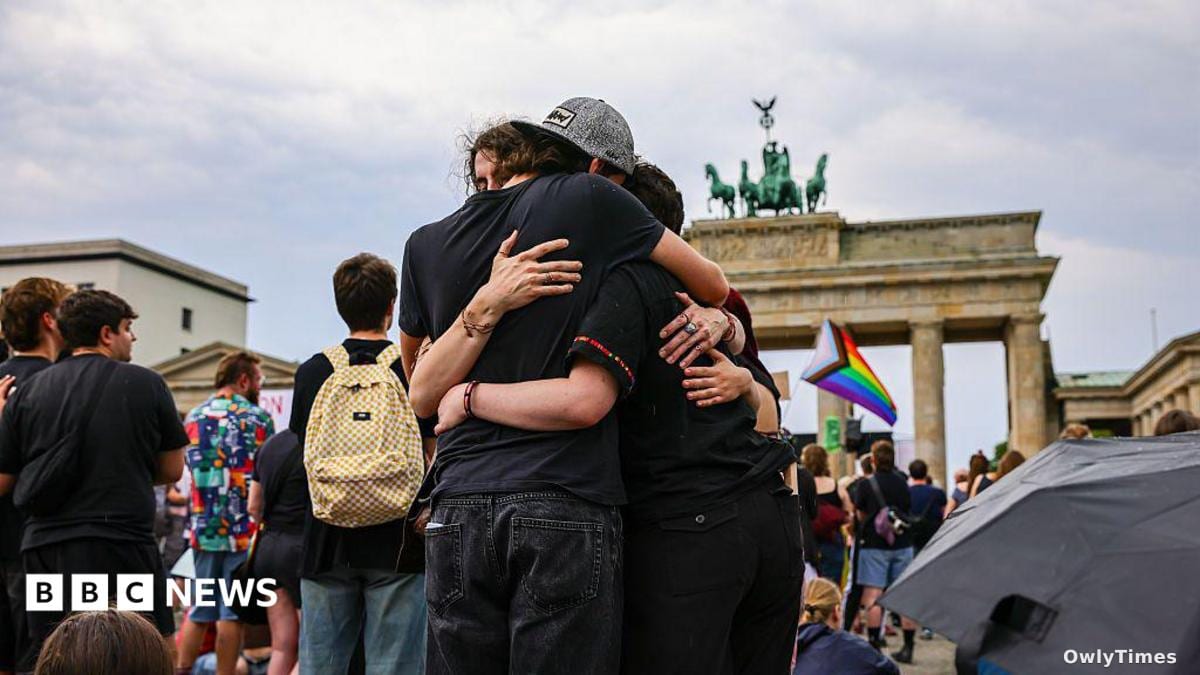
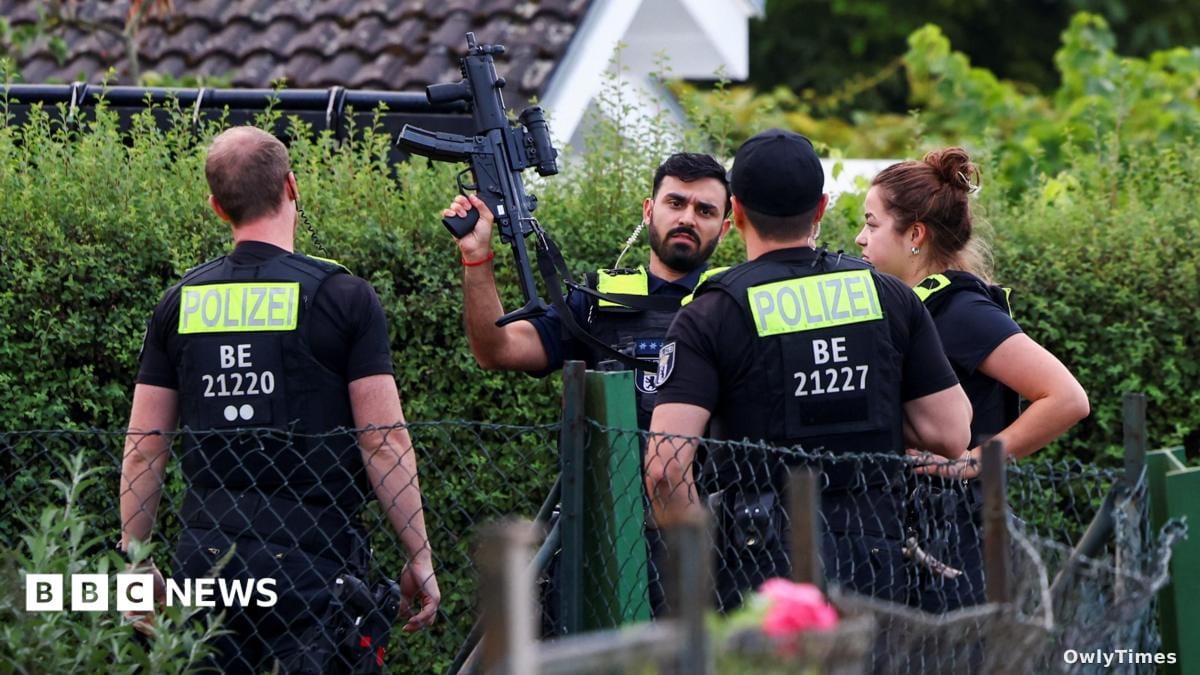
On Saturday evening, a 21-year-old German citizen, Abdul Ballout, drove a van into a crowd gathered for Christopher Street Day—Berlin’s massive LGBTQ+ Pride celebration—near Tiergarten park, according to the BBC. The attack, which left one woman dead and at least 29 others injured, didn't stop at the vehicle impact; witnesses and officials confirmed the suspect exited the van and attacked bystanders with a machete, as reported by The Guardian. By Sunday, a 24-hour manhunt ended in the Spandau district, where police shot and killed Ballout after he allegedly charged them with a bladed weapon, according to Al Jazeera.
While the violence was shocking, the suspect's paper trail was extensive. German Interior Minister Alexander Dobrindt confirmed that Ballout was well-known to authorities for his radicalization and a "high volume" of prior criminal offenses, per NPR. The bureaucratic friction here is startling: Ballout had been convicted of "preparing a serious act of subversive violence" after a failed attempt to join ISIS in 2025, according to CBS News. Despite a sentence of one year and 10 months, he was released on a suspended term, partly because he supposedly "distanced himself" from the group.
The gap between a known threat and a lethal attack is often measured in administrative choices. Just three weeks before the rampage, on July 3, police raided Ballout’s home on suspicion of weapons violations, only to leave after finding nothing more than a toy gun, CBS News notes. It is a grim reminder that even with sophisticated surveillance and a history of radicalization, the "last mile" of public safety—stopping a suspect who has already been processed and released—remains a persistent vulnerability in Western security models.
The political fallout is already taking shape, mirroring the polarization seen in previous German vehicle attacks. While Chancellor Friedrich Merz and Mayor Kai Wegner have framed the incident as an "attack on our free and cosmopolitan society," far-right lawmakers like Martin Hess are already leveraging the tragedy to decry what they call a "complete failure of the government’s security policies," according to Al Jazeera. As the city moves toward regional elections in September, this event is almost certain to become a flashpoint for deeper debates on immigration and state security.
For ordinary users, the takeaway is less about the specifics of one individual and more about the fragility of public spaces in an era of "lone wolf" tactics. We are living in a landscape where the tools of daily life—rented vans and common hardware—are consistently repurposed for terror. Expect the coming months to bring a sharp, aggressive pivot toward increased surveillance and restrictive security protocols at major public gatherings, as the German state scrambles to regain the public trust shattered by the events at Tiergarten.