
Is the digital age’s most aggressive form of "cancel culture" about to collide with the rigid, century-old protocols of international diplomacy? As Israeli Prime Minister Benjamin Netanyahu prepares for a high-stakes arrival at the United Nations General Assembly this September, his anticipated visit has sparked a bizarre, high-tension standoff with New York City Mayor Zohran Mamdani. The real story here isn't the legal feasibility of an arrest—which has already been debunked—it's the weaponization of municipal rhetoric in a geopolitical landscape that is increasingly polarized and unmoored from traditional diplomatic guardrails.
The Anatomy of a Non-Arrest
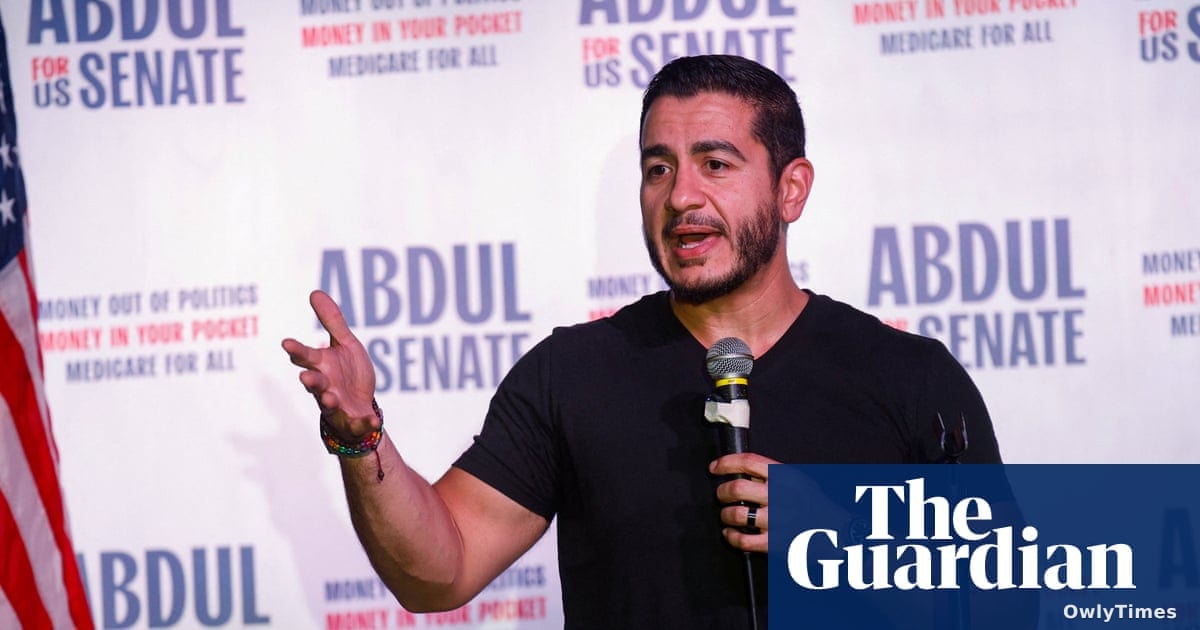
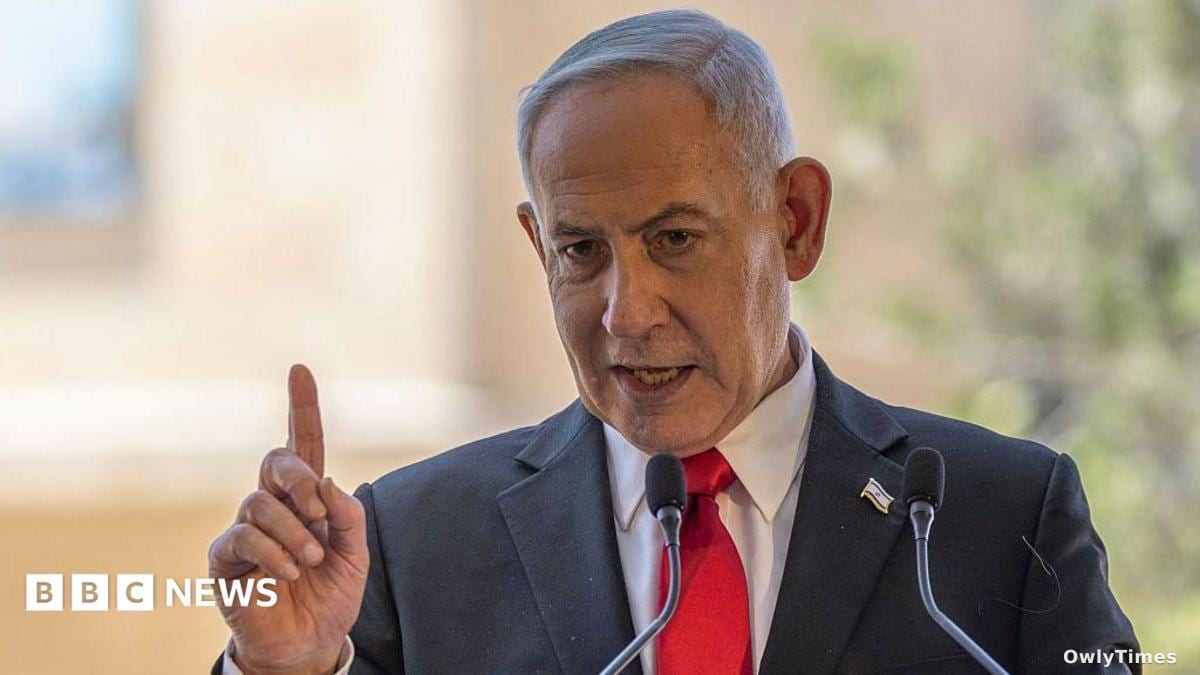
The tension stems from a campaign promise that has since hit the wall of reality. According to the BBC, Mamdani previously pledged to execute an arrest warrant for Netanyahu issued by the International Criminal Court (ICC) in 2024. However, after the New York Times pressed the administration on the legality of such a move, Mamdani’s office conceded that the city lacks the independent legal authority to enforce international warrants.
While The Guardian reports that Mamdani still maintains the Prime Minister is "not welcome" in the city, the shift from active threat to symbolic protest is significant. It mirrors how tech companies often roll out "beta" features that look like finished products but lack the backend infrastructure to function; here, the rhetoric had the appearance of executive power, but the legal architecture simply wasn't there to support it.
Rhetoric as a Catalyst for Real-World Friction
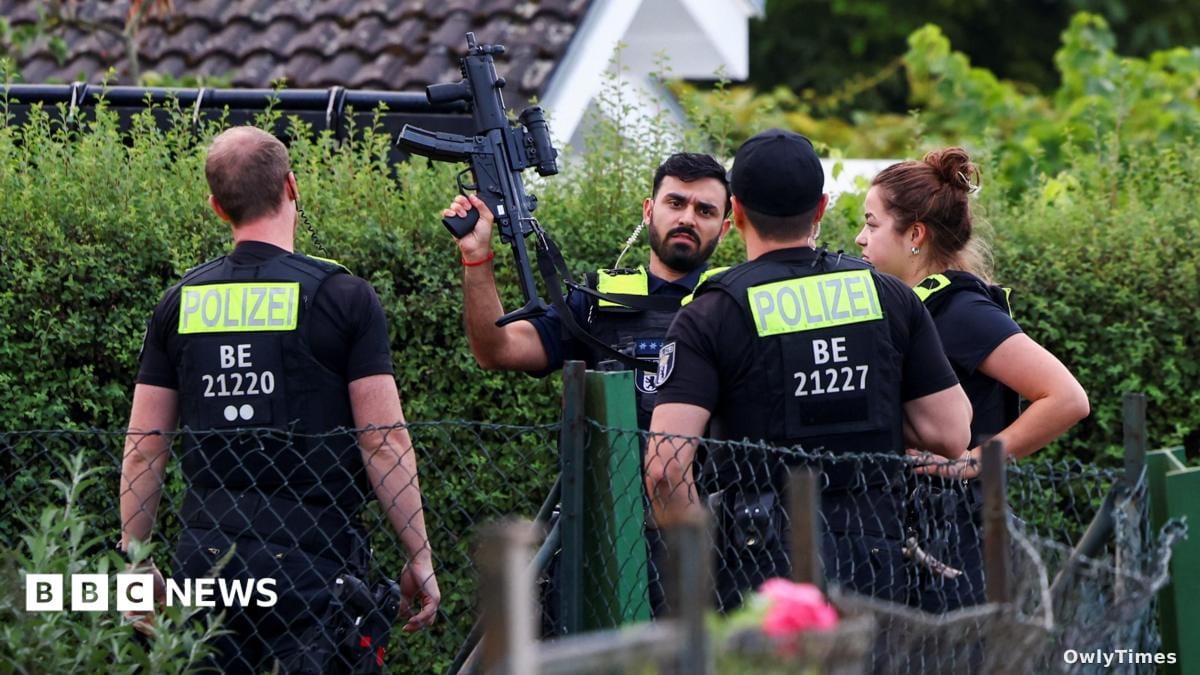
Netanyahu, appearing on Fox News’ Sunday Morning Futures, pivoted from the legal debate to a more incendiary charge: he accused Mamdani of "fomenting hate." As reported by Al Jazeera, the Prime Minister drew a direct line between the Mayor’s criticism and recent street violence. Specifically, Netanyahu referenced the stabbing of a Jewish man and an Asian man in New York last Thursday. The Independent identifies the victims as Moshe Grunhaus, 50, and Chok Sung, 57, and notes that the suspect, Raul Morales, has been charged with hate crimes.
The Prime Minister’s attempt to link municipal policy to criminal acts is a classic "correlation-as-causation" trap that often dominates social media discourse. Yet, the public sentiment is more nuanced than either leader suggests. A June survey by the AP-NORC Centre for Public Affairs Research, cited by Al Jazeera, found that 44% of American Jewish adults view Mamdani favorably, compared to only about one-third who hold a favorable view of Netanyahu.
A Fractured Reality
The conflict is exacerbated by the vastly different narratives surrounding the origins of this unrest. Netanyahu claimed on Fox News that Mamdani "celebrated" the October 7, 2023, Hamas attacks—a claim that The Independent notes contradicts the Mayor’s own public record, where he explicitly condemned the "horrific war crime" and "atrocities" of that day.
These competing realities, amplified by global media, leave the average user in a state of cognitive dissonance. When leaders trade accusations of "genocide" and "fomenting hate" while citing debunked claims—such as the specific lurid accounts of the October 7 attacks mentioned by Al Jazeera—the truth becomes as fragmented as the algorithms that deliver these clips to our devices.
What happens next will be a test of whether institutional decorum can survive the age of viral political theater. Netanyahu is expected to be in Washington D.C. this Monday to meet with Donald Trump, according to The Guardian, and his reception at the UN podium this autumn will serve as the next measurable stress test for the fraying US-Israel alliance.