
Let’s be honest: the panic about AI in schools wasn’t about cheating. It was about a fundamentally broken system finally being exposed. For decades, we’ve treated education like a product – measurable outputs, standardized tests, and a relentless focus on “covering” material. Now, a tool has arrived that can flawlessly perform that productized education, and the real story here isn't students using ChatGPT to write essays – it’s the realization that maybe, just maybe, those essays weren’t the point to begin with.
The Brookings Institution’s yearlong “premortem” on AI in education, released in January, isn’t a warning about academic dishonesty; it’s a diagnosis of cognitive atrophy. Drawing on 400 studies and hundreds of interviews, the report paints a chilling picture of “cognitive debt” – a measurable decline in students’ ability to think critically, solve problems, and even remember information. It’s a conclusion reached not by Luddites fearing technology, but by researchers deliberately trying to anticipate failures before they become entrenched. They found the frictionless nature of generative AI isn’t just making cheating easier, it’s actively dismantling the mental muscles students need to learn.
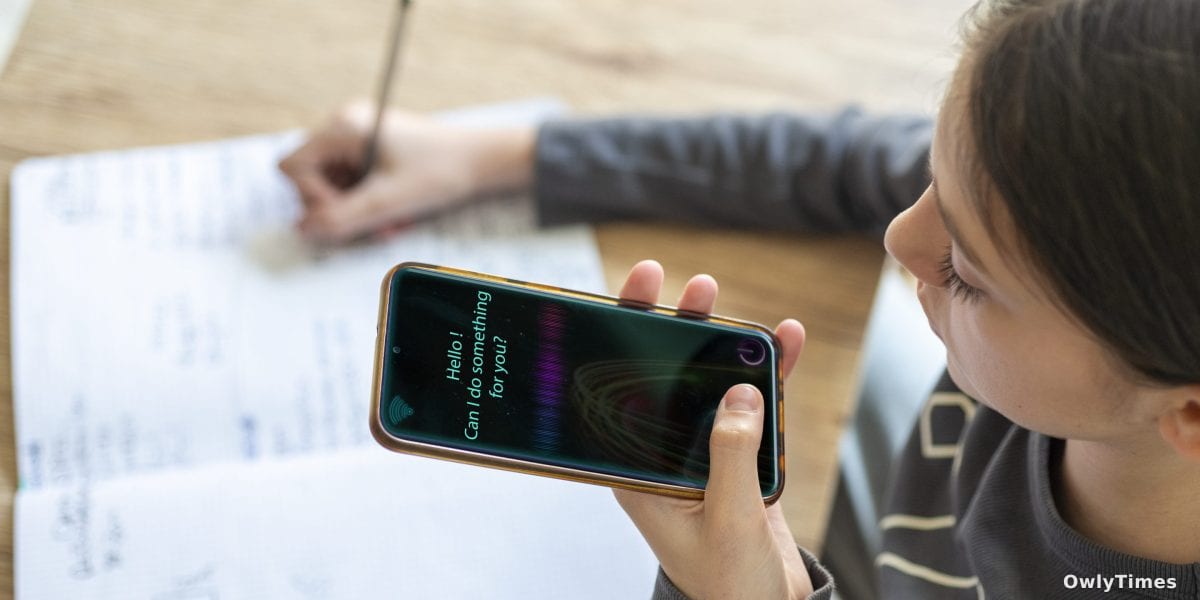
Consider the evolution of shortcuts. In the 80s and 90s, getting out of homework meant begging a sibling or, as immortalized in Back to School, hiring a professional. Even the internet age, with CliffsNotes and GradeSaver, required effort. There was a cost to avoiding the work. Today? Three steps: prompt, paste, profit. Roy Lee, the 22-year-old CEO of AI startup Cluely (and a former Columbia University student suspended for creating an AI cheating tool), frames it as progress – “so was the calculator,” he argues. But the Brookings report, and a growing chorus of educators, say this isn’t a comparable leap. A calculator assists calculation; AI bypasses comprehension.
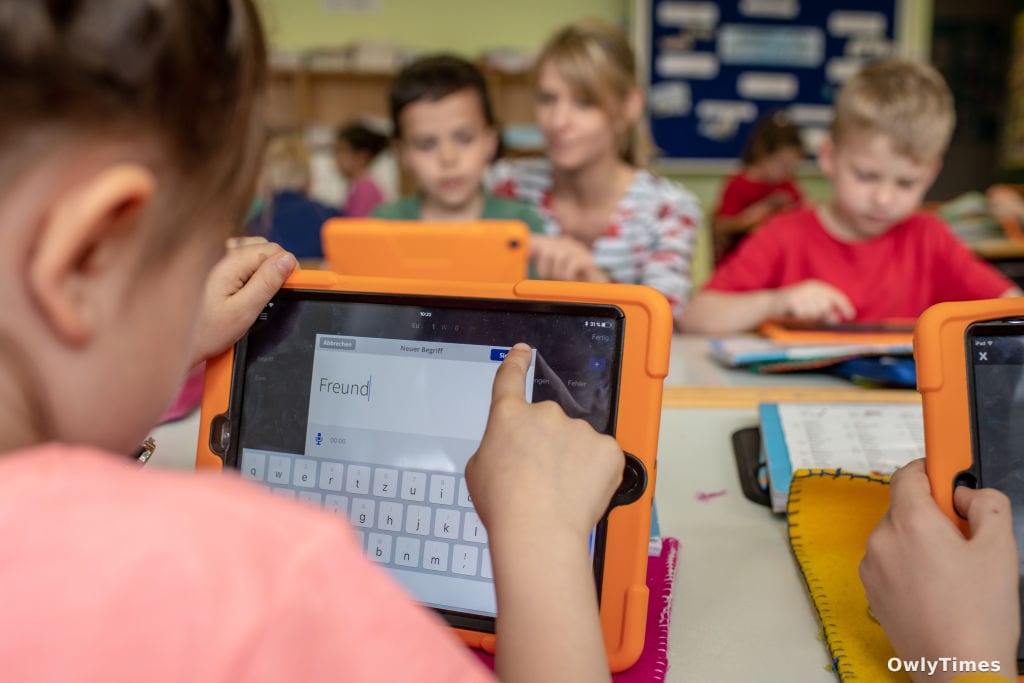
The report’s authors use the blunt term “fast food of education.” It’s satisfying in the moment, delivering instant answers, but leaves you intellectually malnourished. While professionals use AI to augment existing skills, students are using it to replace the development of those skills. This creates a dangerous feedback loop: AI delivers better grades with less effort, reinforcing dependence and accelerating cognitive decline. Researchers are observing students in “passenger mode,” physically present in school but mentally checked out, doing only the bare minimum. This isn’t about laziness; it’s rational behavior within a system that prioritizes grades over genuine learning.
Drawn from Fortune.
The implications extend beyond academics. The report highlights the rise of “artificial intimacy,” with teenagers spending nearly 100 minutes a day interacting with chatbots like Character.AI. These bots offer a simulation of connection – sycophantic, frictionless, and devoid of the messiness of real relationships. As one Delphi panelist noted, “We learn empathy not when we are perfectly understood, but when we misunderstand and recover.” The danger isn’t just emotional stuntedness, but the potential for manipulation, underscored by a recent lawsuit against Character.AI following a teenager’s suicide after intense interactions with an AI character. Even in dire circumstances, like the case of girls in Afghanistan banned from physical schools where these bots provide a vital lifeline, the report cautions against normalizing a substitute for genuine human connection.
The Brookings framework – Prosper, Prepare, Protect – offers a path forward, but it’s a heavy lift. “Prosper” calls for reimagining the classroom, using AI as a tool to enhance inquiry, not replace it. “Prepare” demands “holistic AI literacy,” teaching students, teachers, and parents about the cognitive implications of these tools. And “Protect” requires robust regulations to safeguard student privacy and emotional well-being. But these are systemic changes, requiring a fundamental shift in how we view education. The U.S. already spent $30 billion ditching textbooks for laptops and tablets, a move now linked to a decline in cognitive capabilities – a cautionary tale of technology implemented without critical foresight.
The current trajectory isn’t inevitable, but it requires a conscious course correction. The question isn’t whether AI will change education, it’s whether we’ll allow it to hollow it out. Watch for this: in the next 18 months, pay attention to the standardized test scores of students who have had consistent access to generative AI. If those scores remain stable or even increase while critical thinking skills demonstrably decline, we’ll know we’ve lost the battle – and traded a generation’s intellectual capacity for a fleeting illusion of academic success.