
This week in science felt less like observing progress and more like witnessing a fundamental shift in what’s possible – and what questions we should be asking. While headlines trumpeted robotic kung fu and recreated Big Bang conditions, the underlying story isn’t simply about technological feats or cosmological confirmations. It’s about the accelerating pace of discovery itself, and the growing challenge of interpreting a reality that’s rapidly becoming more complex than our existing frameworks allow. We’re not just learning what is happening, but confronting how quickly it’s happening, and what that speed means for our understanding of the universe and our place within it.
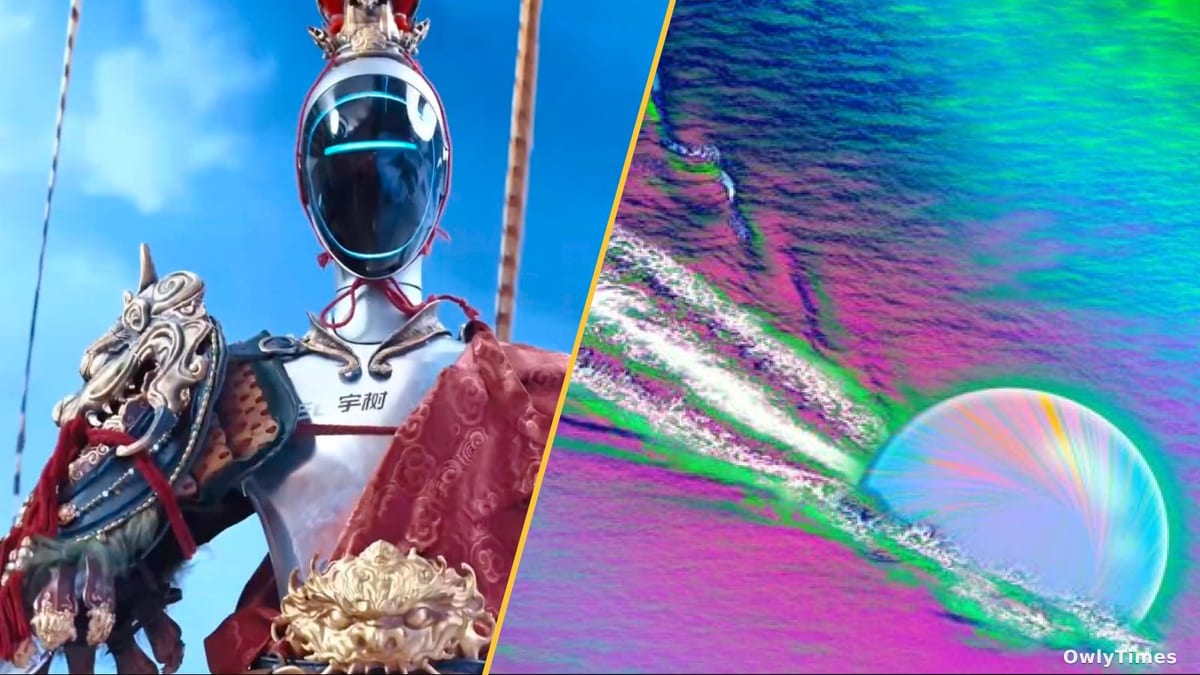
The viral videos of Unitree Robotics’ humanoid robots performing martial arts at the Lunar New Year festival are a potent example. The robots’ fluid, dynamic movements – somersaults, flips, and kicks executed with unsettling grace – weren’t merely impressive; they represented a leap forward from the stiff, jerky motions of similar machines just twelve months prior. This isn’t incremental improvement, but exponential growth, driven by advancements in algorithms and cluster control platforms. The significance isn’t just that robots can now mimic human movement, but that the rate at which they’re acquiring these abilities is outpacing our expectations. This raises questions about the future of automation, the potential for increasingly sophisticated AI-driven systems, and the ethical considerations surrounding their development – questions that demand proactive discussion, not reactive responses.
This article draws on reporting from Live Science.
Meanwhile, at the Large Hadron Collider (LHC) at CERN, physicists achieved a different kind of breakthrough, recreating the conditions of the universe mere milliseconds after the Big Bang. By smashing heavy atomic nuclei together at near light speed, they generated a quark-gluon plasma – the primordial “soup” believed to have existed in the universe’s earliest moments. The findings, stemming from the LHC’s Compact Muon Solenoid, aren’t about proving a theory correct, but refining our understanding of the universe’s initial state. It’s crucial to note that this isn’t a visual recreation; scientists are inferring the properties of this plasma based on the behavior of particles produced in the collisions. The “soupy” description, while evocative, refers to the fluid-like behavior of the quark-gluon plasma, indicating a state of matter far removed from our everyday experience. This research offers insights into the fundamental forces that shaped the cosmos, but it’s a highly specialized field requiring sophisticated analysis and interpretation.
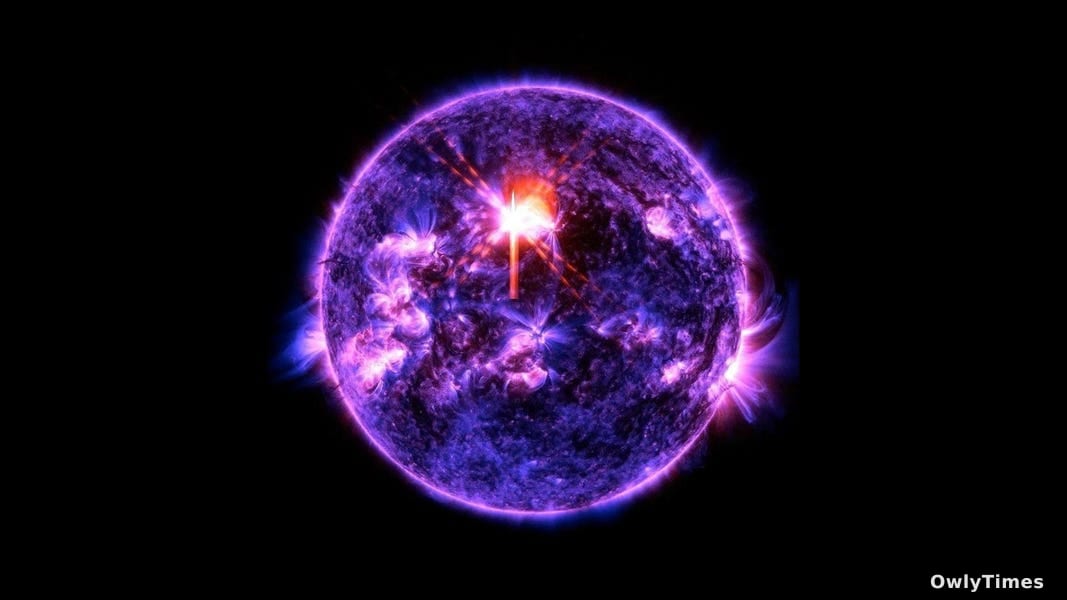
Beyond these headline-grabbing events, a constellation of other discoveries this week highlighted the breadth of ongoing scientific inquiry. A controversial study suggesting a link between solar flares and earthquakes, while intriguing, requires rigorous scrutiny and independent verification. The possibility that Saturn’s largest moon, Titan, may be composed of two moons rather than one, and its role in the formation of the planet’s rings, adds another layer of complexity to our understanding of the solar system. Even seemingly settled science, like the cause of rigor mortis, continues to be explored at the cellular level, revealing the intricate processes that govern life and death.
However, it’s important to acknowledge the limitations inherent in these investigations. The solar flare-earthquake correlation, for example, relies on statistical analysis and doesn’t establish a causal relationship. Correlation does not equal causation, and confounding factors could easily explain the observed patterns. Similarly, the claim that preeclampsia may have contributed to the extinction of the Neanderthals, while a compelling hypothesis, is currently described by experts as a “thought experiment” – a plausible idea lacking definitive evidence. The archaeological findings regarding the Pitted Ware culture in Sweden, while fascinating, are based on a limited sample size and require further investigation to confirm the extent of their familial practices. We must be cautious about extrapolating broad conclusions from localized discoveries.
Looking ahead, the next steps in these research areas are critical. For robotics, the focus will likely shift towards improving the robustness and adaptability of AI algorithms, as well as addressing the ethical implications of increasingly autonomous systems. In particle physics, continued analysis of data from the LHC will refine our understanding of the quark-gluon plasma and potentially reveal new insights into the fundamental laws of nature. The archaeological community will continue to excavate and analyze ancient remains, seeking to reconstruct the lives and cultures of our ancestors. But perhaps the most important next step is fostering a more nuanced public understanding of the scientific process – recognizing that discovery is rarely linear, that uncertainty is inherent in research, and that critical thinking is essential for navigating an increasingly complex world. The question isn’t simply what will be discovered next, but how we will interpret and respond to those discoveries. Will we be prepared to grapple with the implications of a reality that’s changing faster than ever before?