
Beyond the Lab Bench: Texas A&M’s Investment in a New Generation of Science Storytellers
For decades, the narrative around scientific training has centered on technical skill – mastering methodology, analyzing data, and pushing the boundaries of knowledge. But a quiet shift is underway, recognizing that even the most groundbreaking research is rendered inert without effective communication. A five-year initiative at Texas A&M University, the Science Influencers program, isn’t just teaching students how to do science; it’s teaching them how to talk about it. This isn’t simply about “public outreach” as an add-on, but a fundamental restructuring of what it means to be a scientist in the 21st century, and the program’s success offers a model for other institutions grappling with a growing public distrust of expertise.
See the original agrilifetoday.tamu.edu story for the full account.
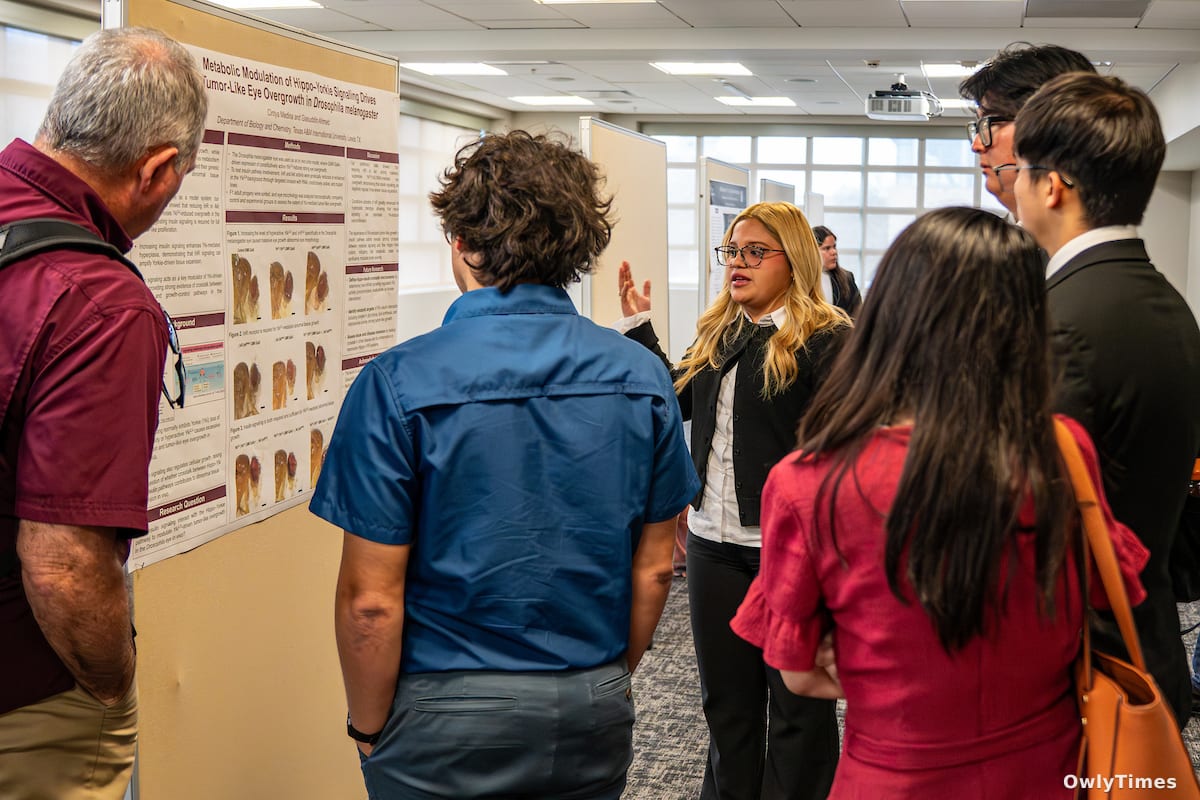
Launched in 2021 with a $500,000 grant from the National Institute of Food and Agriculture (NIFA) within the U.S. Department of Agriculture (USDA), the Science Influencers program has trained 48 undergraduate students across the Texas A&M University System. The program, directed by Holli Leggette, Ph.D., associate professor in the Department of Agricultural Leadership, Education and Communication, isn’t focused on creating social media “influencers” in the popular sense. Instead, it’s about equipping future scientists with the tools to translate complex research into accessible language for diverse audiences – from policymakers to the general public. This approach acknowledges a critical gap: a 2022 Pew Research Center study found that while 76% of scientists believe it’s important to communicate their work to the public, many lack the training to do so effectively. The Science Influencers program directly addresses this need.
The program’s structure is notable for its holistic approach. It combined coursework, paid internships, and hands-on research experience, deliberately connecting students across disciplines like animal science, public health, and food systems. This interdisciplinary network is crucial, as the challenges facing society – climate change, food security, public health crises – rarely fall neatly within the boundaries of a single academic field. Importantly, the program prioritized financial support, removing economic barriers to participation and ensuring that students from all backgrounds could access these valuable experiences. Holli Leggette emphasized this point, stating, “We wanted to remove the barrier of cost and allow these students to gain experience in leading research environments.” This commitment to equity is particularly significant given the historical underrepresentation of certain groups in STEM fields.
The impact of the program extends beyond simply improving communication skills. Participants consistently report a boost in confidence and a broadened perspective on the role of science in society. Lucie Hartman, a 2022 participant, described the program as providing “the structure for me to grow as a scientist and as a person.” This sentiment is echoed by Davis Johnson, a 2024 participant, who found the program invaluable in navigating the demands of a research lab. Several alumni have already transitioned into impactful careers, including Marisol Vazquez, now a USDA export coordinator, and Maci Guay, who secured a full-time position as a Communications Specialist I at the Texas A&M Veterinary Medical Diagnostic Laboratory (TVMDL) after participating in the program and shaping her research around communications work at the lab. These outcomes demonstrate that the program isn’t just preparing students for future careers; it’s actively launching them.
However, it’s crucial to avoid overstating the program’s immediate impact. While 48 students have completed the program, this represents a small fraction of the total undergraduate population within the Texas A&M System. Furthermore, the program’s success relies heavily on continued funding. As the initial NIFA grant cycle concludes, the long-term sustainability of the initiative remains a question. The program’s model – integrating communication training into the core scientific curriculum – is a significant departure from traditional approaches, and scaling it across larger institutions will require substantial investment and institutional buy-in.
Looking ahead, the most pressing question is how to integrate these communication skills more broadly into STEM education. Will Texas A&M continue to prioritize this training, even without dedicated grant funding? And perhaps more importantly, will other universities adopt similar programs, recognizing that a scientifically literate public – and scientists capable of engaging with that public – are essential for addressing the complex challenges of our time? The next phase of research should focus on tracking the long-term career trajectories of Science Influencers graduates and assessing the broader impact of their communication efforts on public understanding of science. We should be watching to see if institutions begin to prioritize communication skills as a core competency for all STEM graduates, not just a niche skill for those interested in public outreach.