
Beyond the Headline: Novo Nordisk’s Price Cuts and the Shifting Landscape of GLP-1 Access
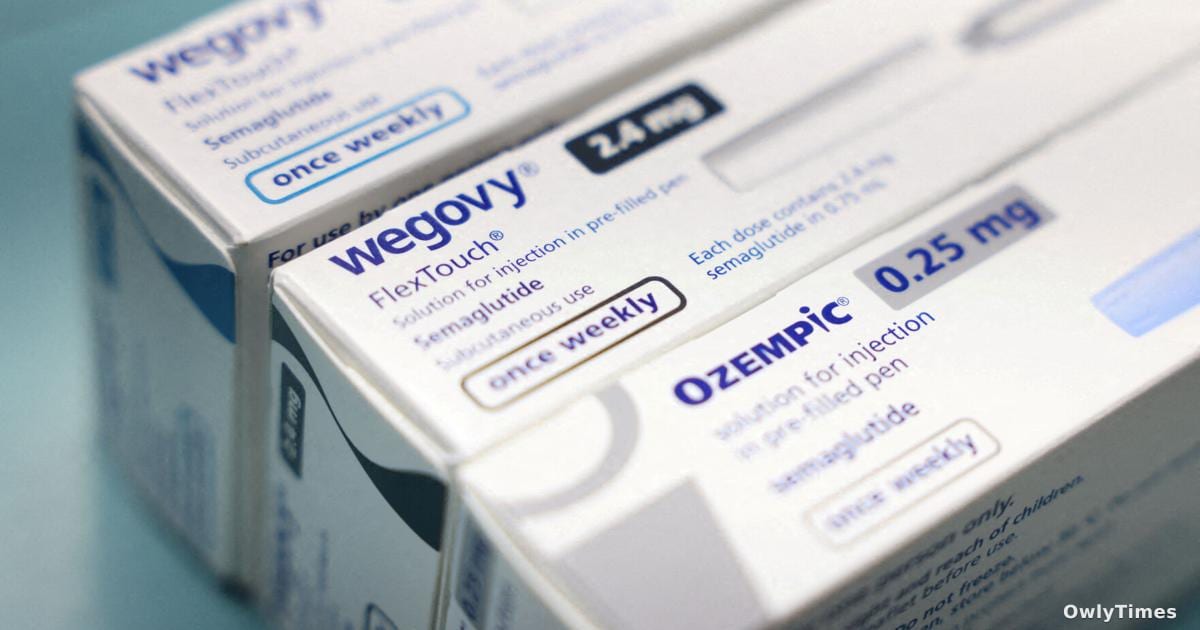
The announcement from Novo Nordisk this week – a planned reduction of up to 50% in the list prices of its blockbuster drugs Ozempic and Wegovy – has been widely hailed as a victory for patients. However, framing this as a simple price decrease obscures a far more complex interplay of market forces, policy changes, and strategic maneuvering. The core question driving this move isn’t altruism, but rather how pharmaceutical companies navigate a rapidly evolving system where direct-to-consumer sales, government negotiation, and competitive pressures are reshaping access to these highly sought-after medications. While the stated goal is to lower costs for those whose insurance plans tie out-of-pocket expenses to list price, the actual impact will be far from uniform.
This article draws on reporting from unionleader.com.
The specifics are crucial. Starting January 1st, Wegovy will see a 50% price reduction, bringing the list price to $675 per month, while Ozempic will be reduced by 35%. This timing isn’t coincidental; it aligns with the implementation of lower prices for these drugs under the federal Medicare program for those 65 and older, mandated by the Inflation Reduction Act. Novo Nordisk also engaged in negotiations regarding its 2027 prices within the Medicare framework. Simultaneously, the company has been actively participating in programs like TrumpRx.gov, directing consumers to their own websites where Wegovy is already available for around $349 – a price significantly lower than the original list price, and unaffected by this new adjustment. This tiered pricing strategy reveals a key dynamic: the official “list price” is becoming increasingly decoupled from what most consumers actually pay.
The shift towards direct-to-consumer sales, and the rise of cash-pay channels, is the engine driving this change. Demand for GLP-1 receptor agonists like Ozempic and Wegovy – initially developed for diabetes management, but now widely used for weight loss – has exploded. This surge in demand has created a competitive landscape, not just between Novo Nordisk and Eli Lilly, but also with the emergence of cheaper compounded versions offered by telehealth platforms like Hims & Hers. These platforms are capitalizing on the ability to create personalized doses, further fragmenting the market. Citi analyst Geoffrey Meacham estimates that the list price cut will only impact a relatively small portion of new prescriptions, given the “overwhelming share” currently captured by these cash-pay options. This suggests the move is less about broad affordability and more about mitigating potential negative perceptions as Medicare negotiations proceed.
It’s also important to acknowledge the financial pressures Novo Nordisk is facing. Earlier this month, the company warned of potential profit and sales declines of up to 13% this year – the first such forecast in years. While the price cuts are presented as patient-focused, they also serve to preemptively address concerns about pricing practices, particularly as the company navigates government scrutiny. Bernstein analyst Courtney Breen cautions against interpreting this as the beginning of a “price war,” noting the White House deal provides a “soft-floor” for pricing over the next three years. The stock market reaction – a 2.6% dip for Novo Nordisk and a 1% drop for Eli Lilly – suggests investors are interpreting the move as a sign of increasing pressure on profitability, rather than a philanthropic gesture.
Limitations to Consider
The impact of these price cuts will be heavily dependent on individual insurance plans. Many plans utilize pharmacy benefit managers (PBMs) who negotiate after-market discounts and rebates, meaning the list price is rarely what patients ultimately pay. Those with high-deductible plans or co-insurance based on list price will benefit most directly. However, individuals enrolled in plans with more favorable PBM agreements may see little to no change in their out-of-pocket costs. Furthermore, the price cuts do not apply to direct-to-patient or self-pay options, leaving those relying on these channels unaffected. The long-term effects on the compounded drug market also remain uncertain.
Looking ahead, the crucial question isn’t whether Novo Nordisk and Eli Lilly will continue to adjust prices, but how the interplay between government regulation, insurance negotiations, and direct-to-consumer sales will ultimately shape access to GLP-1 medications. Will the Inflation Reduction Act’s Medicare negotiations lead to further price reductions, and will these savings be passed on to patients? More importantly, will the increasing fragmentation of the market – with tiered pricing, cash-pay options, and compounded alternatives – exacerbate existing health disparities, creating a system where access is determined not by medical need, but by ability to navigate a complex and opaque pricing landscape? The coming years will reveal whether these price adjustments represent a genuine step towards affordability, or simply a strategic repositioning in a rapidly changing pharmaceutical market.