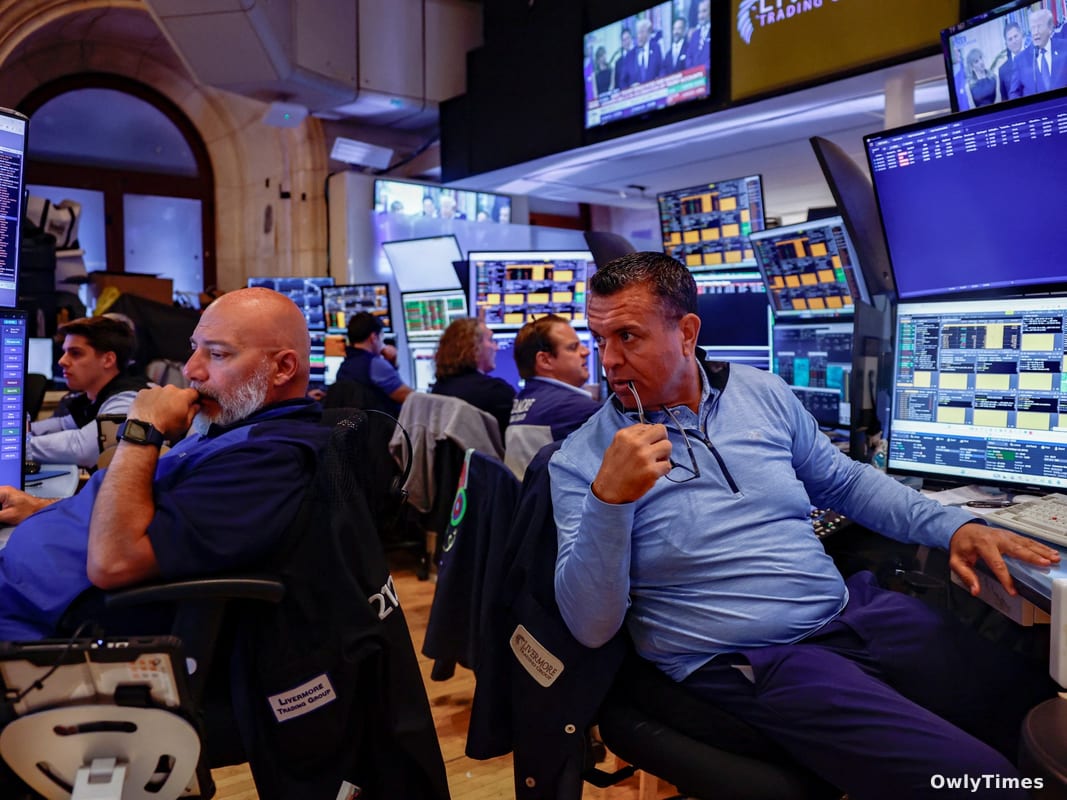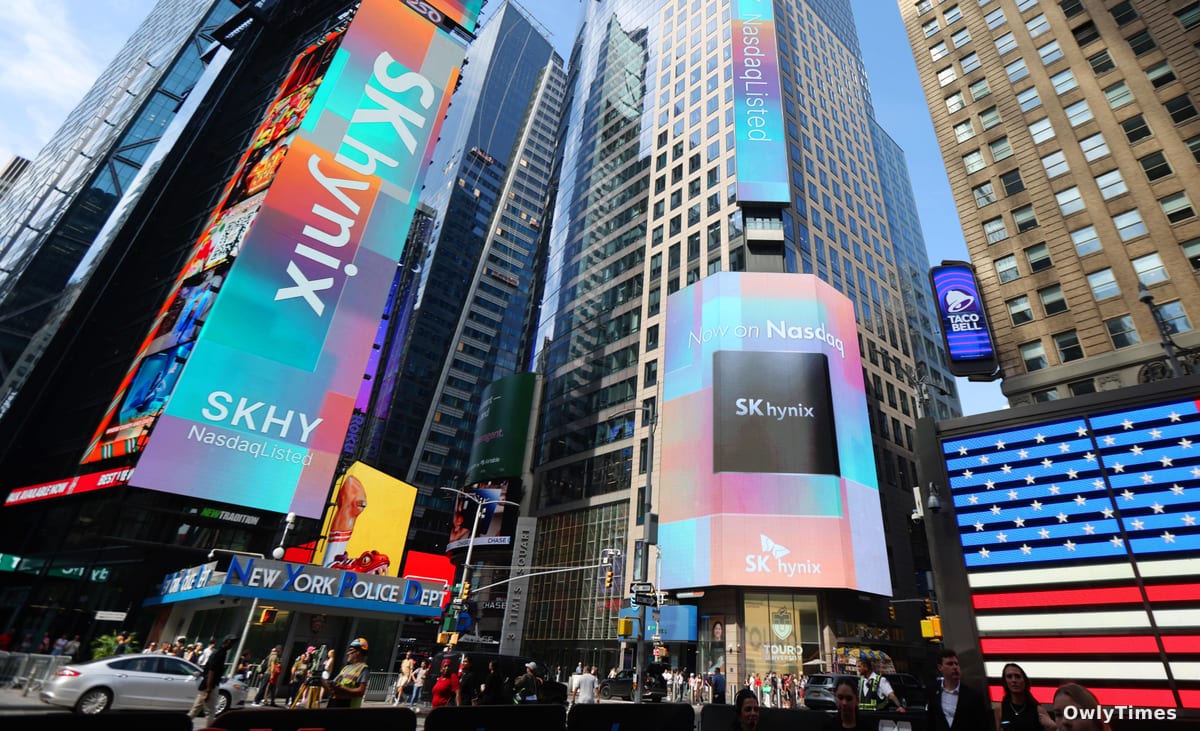

$26.5 billion is the capital raised by South Korean semiconductor giant SK Hynix in its Nasdaq debut, marking the largest initial share sale in the U.S. by a foreign company, according to Fortune. The American depositary receipts (ADRs) opened at $170 per share on Friday and closed the session at $168.01, reflecting a 12.8% gain, as reported by MarketWatch.
Follow the money: The valuation of the South Korean firm has surged more than sevenfold over the past year, a trajectory fueled by the global scramble for high-bandwidth memory (HBM). As CNBC notes, SK Hynix is a critical supplier for Nvidia, with its specialized memory chips serving as the backbone for the infrastructure required to train and deploy advanced artificial intelligence models. While the broader semiconductor industry has historically faced boom-bust cycles, SK Hynix Chairman Chey Tae-won told CNBC that he expects this current demand to be permanent, citing the integration of memory into everything from AI agents to physical robotics.
The scale of the offering reflects a broader, aggressive expansion strategy. While The Verge reports that the company plans to increase memory capacity over the next five years to mitigate a shortage that may persist until 2030, the geographic allocation of that investment is distinct. The company has committed to a $4 billion advanced packaging facility in Indiana, yet the bulk of its capital expenditure remains in South Korea, including a $390 billion chip fabrication cluster in Yongin. This is part of a larger, state-backed investment plan involving Samsung that totals approximately $518 billion (800 trillion won), according to Fortune.
Market analysts are closely watching the volatility inherent in the memory sector. The Verge notes that as of June 2026, SK Hynix held a 29% share of the global DRAM market, trailing Samsung’s 38% but outpacing Micron’s 22%. Because these firms are prioritizing high-margin AI clients, supply constraints have tightened for consumer electronics. Fortune highlights that this shift is already impacting household budgets; Apple has recently increased prices for Macs and iPads, a direct result of the rising costs of the underlying memory components.
The discrepancy in record-keeping for the IPO highlights the massive scale of the current market cycle. While The Verge credits reports from the Associated Press and CNN for the claim that SK Hynix surpassed Alibaba’s record as the largest debut for a foreign company, Fortune frames the event within a broader surge of liquidity, noting that the second quarter of 2026 saw 48 IPOs raise a total of $104.8 billion—the highest quarterly total in five years, significantly bolstered by SpaceX’s $75 billion listing last month.
For the individual investor, this debut signals a transition from seeing memory chips as a "sleepy" commodity to viewing them as the primary bottleneck of the AI era. With the stock now trading under the ticker SKHYV (scheduled to transition to SKHY on Tuesday), the primary takeaway for your wallet is that the cost of AI infrastructure is being passed down the supply chain. As long as tech giants continue to prioritize HBM for data centers, consumers should anticipate that memory-dependent hardware will likely remain at a premium for the foreseeable future.