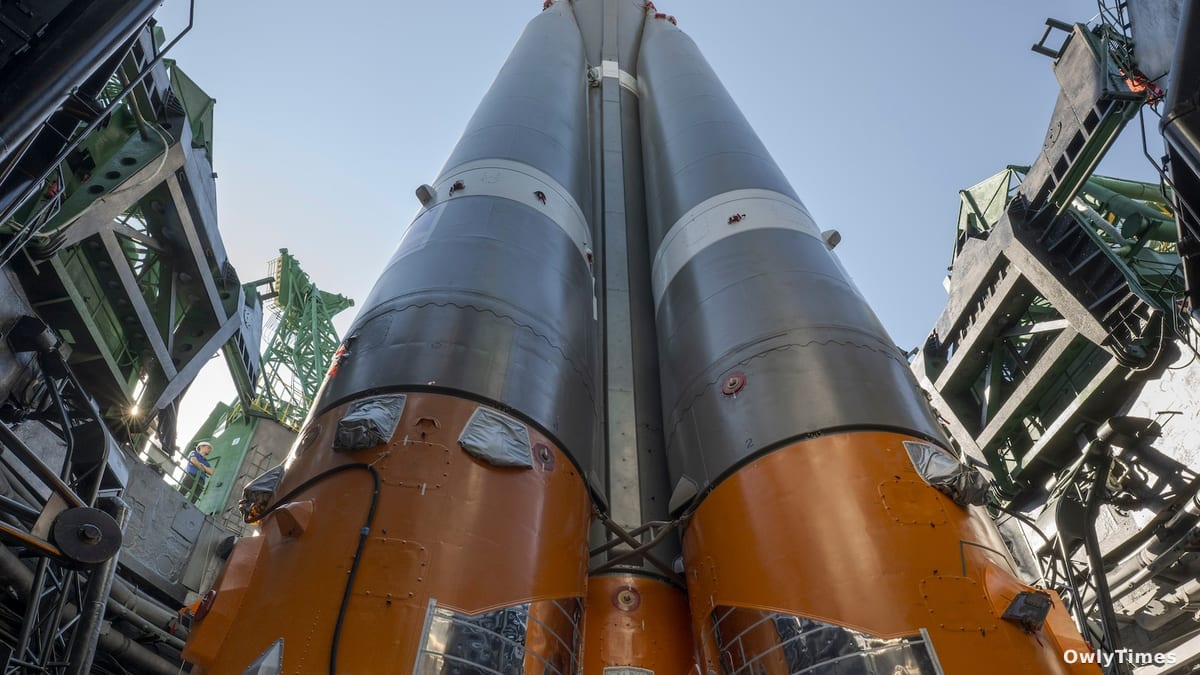

The recent launch of the Soyuz MS-29 mission has once again highlighted the complex, dual nature of U.S.-Russian relations, where geopolitical friction on Earth is briefly suspended for the sake of orbital research. On July 14, 2026, NASA astronaut Anil Menon and Roscosmos cosmonauts Pyotr Dubrov and Anna Kikina successfully lifted off from the Baikonur Cosmodrome in Kazakhstan, according to Space.com. The spacecraft docked with the International Space Station (ISS) just two orbits later, at 1:52 p.m. EDT, while flying 260 miles above the Mediterranean Sea.
A Rare Diplomatic Presence in Orbit
The mission was marked by a significant diplomatic gesture: NASA Administrator Jared Isaacman attended the launch in person, marking the first visit by a NASA chief to the Russian-leased launchpad in eight years, as reported by ABC News. During meetings with the crew, Isaacman emphasized the "integrated work" and "professionalism" of the international teams, framing the mission as a testament to ongoing cooperation. This collaboration persists despite the strained atmosphere following the 2022 invasion of Ukraine, an event that has effectively dismantled broader plans for joint lunar research and prompted Russia to pivot toward space partnerships with China.
Research Objectives and Crew Dynamics
While headlines often focus on the diplomatic symbolism of the launch, the mission’s core purpose is a demanding eight-month scientific tenure. According to Space.com, Menon is tasked with advancing in-space semiconductor production, which could potentially revolutionize the manufacturing of high-performance computing components. Furthermore, he will evaluate the use of augmented reality and artificial intelligence for onboard medical procedures, a critical step toward ensuring crew autonomy on future long-duration missions. The trio joins a diverse existing crew, including NASA astronauts Jessica Meir, Jack Hathaway, and Chris Williams, alongside European Space Agency astronaut Sophie Adenot and Roscosmos cosmonauts Sergei Kud-Sverchkov, Sergei Mikaev, and Andrei Fedyaev.
Limitations to Consider
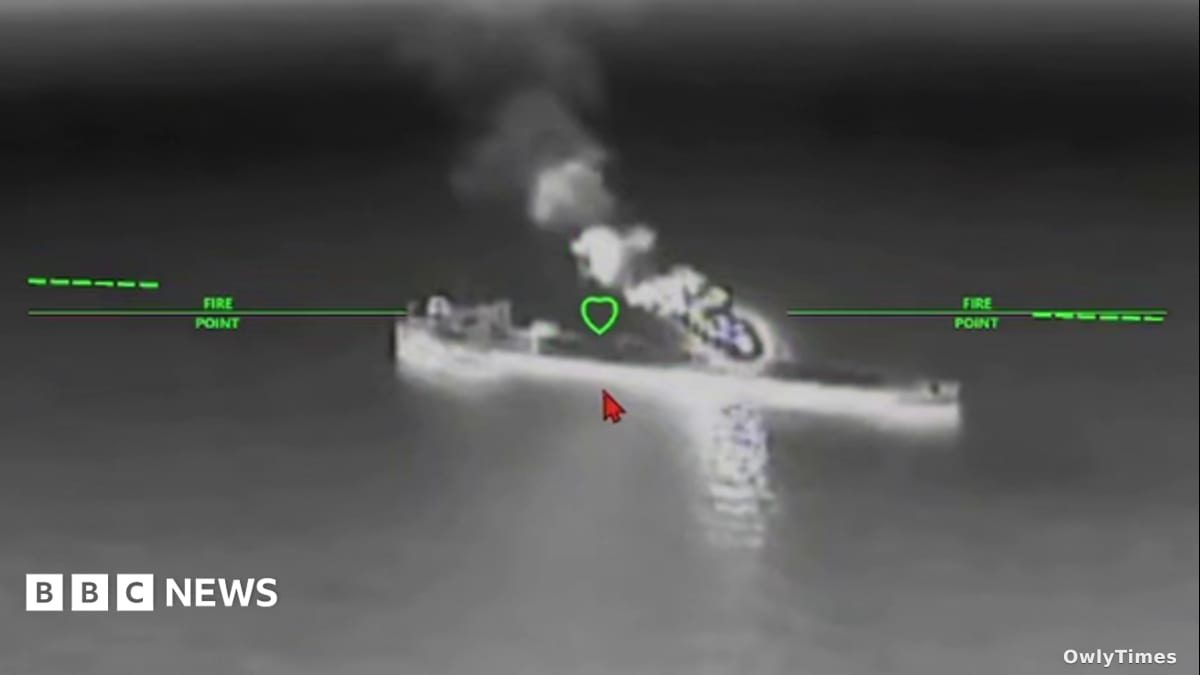
It is important to view these collaborative efforts within the context of the broader, volatile security environment. While the ISS remains a sanctuary for cooperation, The Independent reports that Russian officials, including Foreign Minister Sergei Lavrov, have recently characterized Ukrainian military actions against Russian maritime assets as "acts of terrorism." The same report notes that Russia is currently considering rerouting cargo from the Sea of Azov following a surge in Ukrainian drone strikes, underscoring that the professional harmony seen at Baikonur exists in a starkly different reality than the one unfolding in the Black Sea region.
Next Steps in Orbital Science
The integration of these new crew members is just the beginning of a dense experimental cycle. The immediate next phase involves the opening of the hatches between the Soyuz and the ISS, an event confirmed by Space.com to be scheduled for 3:55 p.m. EDT on the day of the launch. Following this, the crew will transition into their eight-month research rotation. For the scientific community, the success of these experiments—particularly the AI-driven medical testing—will provide measurable data on whether current ISS infrastructure can support the self-sufficiency required for future exploration beyond low-Earth orbit. This mission represents a delicate balancing act: maintaining the continuity of space-based inquiry while navigating the deepening geopolitical divisions that define modern international relations.