
Is our modern infrastructure actually designed for the world we live in, or are we just hoping the next “once-in-a-century” event waits until we’re better prepared? This week, that question turned from a hypothetical into a terrifying reality for hundreds of Missourians caught in the path of a catastrophic deluge.
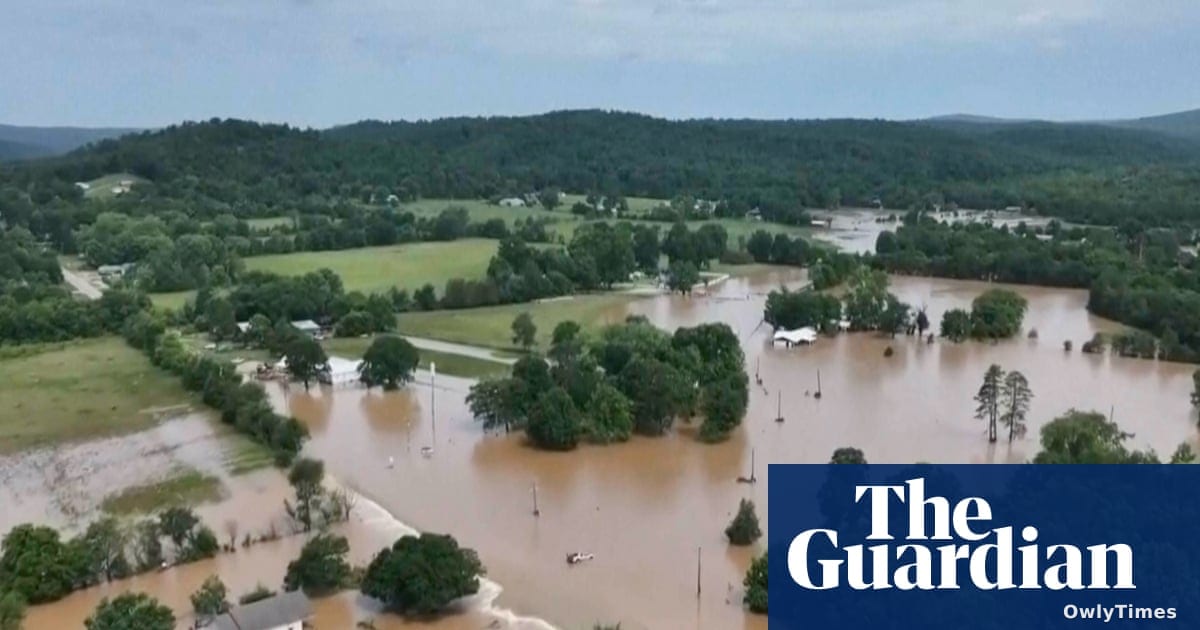
The real story here isn’t just the dramatic helicopter rescues—it’s the brutal mismatch between our recreational landscape and a climate that is increasingly prone to extreme, concentrated weather. As reported by CBS News, a staggering 202 campers and counselors were airlifted from Camp Taum Sauk in Lesterville on Friday after roads were severed by rainfall ranging from 6 to 12 inches.
While the imagery of NPR’s account—children being hoisted into UH-60 Black Hawk helicopters—feels like something out of a disaster film, the human cost was stark. Tragically, 23-year-old Faith Gregory did not survive the event. According to The Guardian, her body was discovered Saturday morning approximately 1.8 miles downstream from her Crawford County home, which had been swept off its foundation.
The scope of the destruction is difficult to reconcile with a typical summer weekend. Missouri Governor Mike Kehoe declared a state of emergency, describing the rainfall in parts of the state as a "1-in-1,000-year rainfall event," per CBS News. The intensity of these storms created a "domino effect" of failures; at the Bearcat Getaway campground, a building occupied by people fleeing rising waters collapsed under the combined stress of the current and the weight of the occupants, as noted by The Independent.
Technical experts are already pointing to the specific vulnerability of these regions. Matt Beitscher, a lead meteorologist with the National Weather Service office in St. Louis, emphasized that these counties are high-traffic areas for recreation, featuring campgrounds and float trip locations that place "vulnerable populations" directly in the path of flash flooding, according to The Guardian. While The Independent and CBS News both reported that rescue responders themselves were put at risk when two boats capsized during recovery operations, all personnel were thankfully recovered.
The disparity in reporting on the "missing" status highlights the confusion during such rapid-onset crises. While The Independent initially noted that a woman in Crawford County was missing, The Guardian confirmed by Saturday that there was no longer anyone unaccounted for in that county following the discovery of Ms. Gregory.
For the average user—whether you’re a camper or a homeowner—the takeaway is a sobering reminder of how quickly "weather-aware" becomes a survival skill rather than a suggestion. Governor Kehoe has signaled that the Black River is expected to crest at a record level of more than 28 feet near Annapolis, per NPR. We are entering a period where the traditional "flood season" is being replaced by erratic, violent surges that defy historical averages. Expect the next major shift in this story to be a mandatory review of zoning and emergency alert protocols for recreational businesses operating in these high-risk flood zones.