
If the global maritime order is a nervous system, we’ve just watched the central brain stop responding to its own limbs. Is the international "rules-based order" actually just a polite fiction we tell ourselves until the supply chains stop moving? The real story here isn't just the tactical escalation of a few isolated skirmishes—it’s the total collapse of the "free sea" consensus that has underpinned global trade for decades.
We are witnessing a grim expansion of the conflict between Iran and the United States that has now spilled into the Caspian Sea. According to Al Jazeera, a Ukrainian strike on an Iranian commercial vessel in the Caspian has left one sailor dead and another wounded. This incident, confirmed by The Independent, has prompted Tehran to summon Ukraine’s diplomats, labeling the strike a "hostile and criminal" act. While President Volodymyr Zelenskyy has openly claimed credit for the operation on X, noting that Ukrainian forces targeted vessels carrying military cargo and a Russian warship, the geopolitical ripples are immediate. Both Al Jazeera and The Independent report that Kyiv is using this moment to highlight intelligence suggesting Russia is providing satellite surveillance to help Iran direct strikes against U.S. and Gulf military facilities.
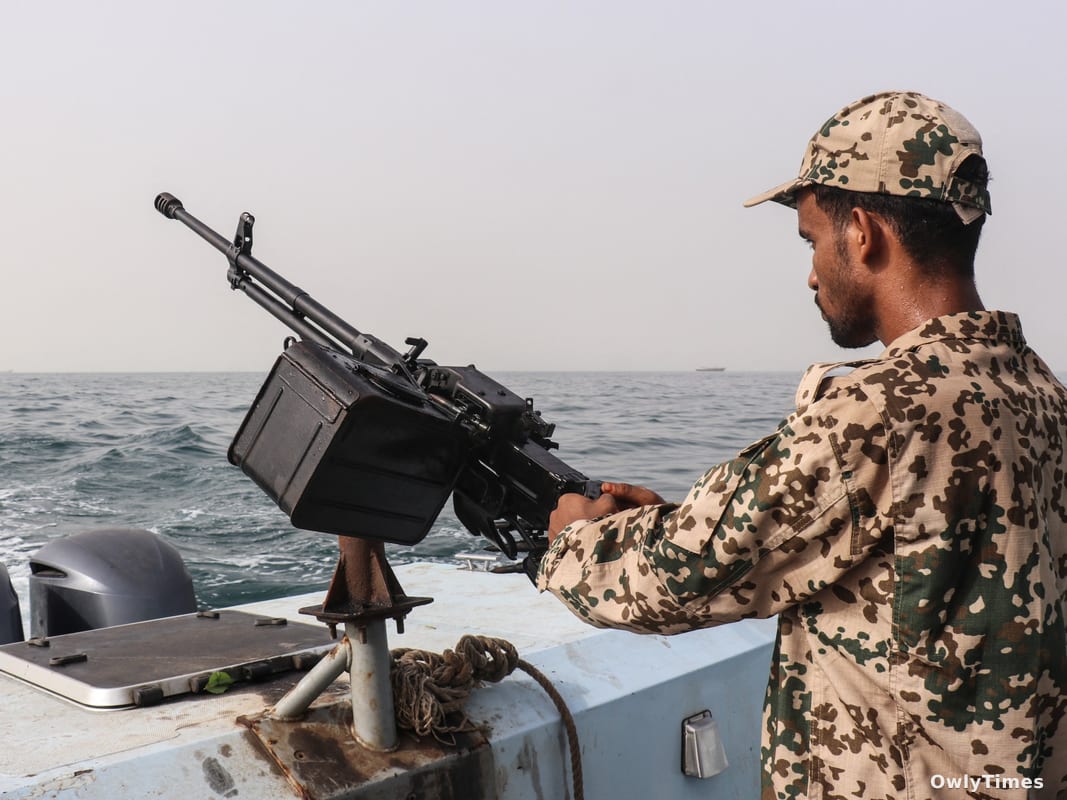
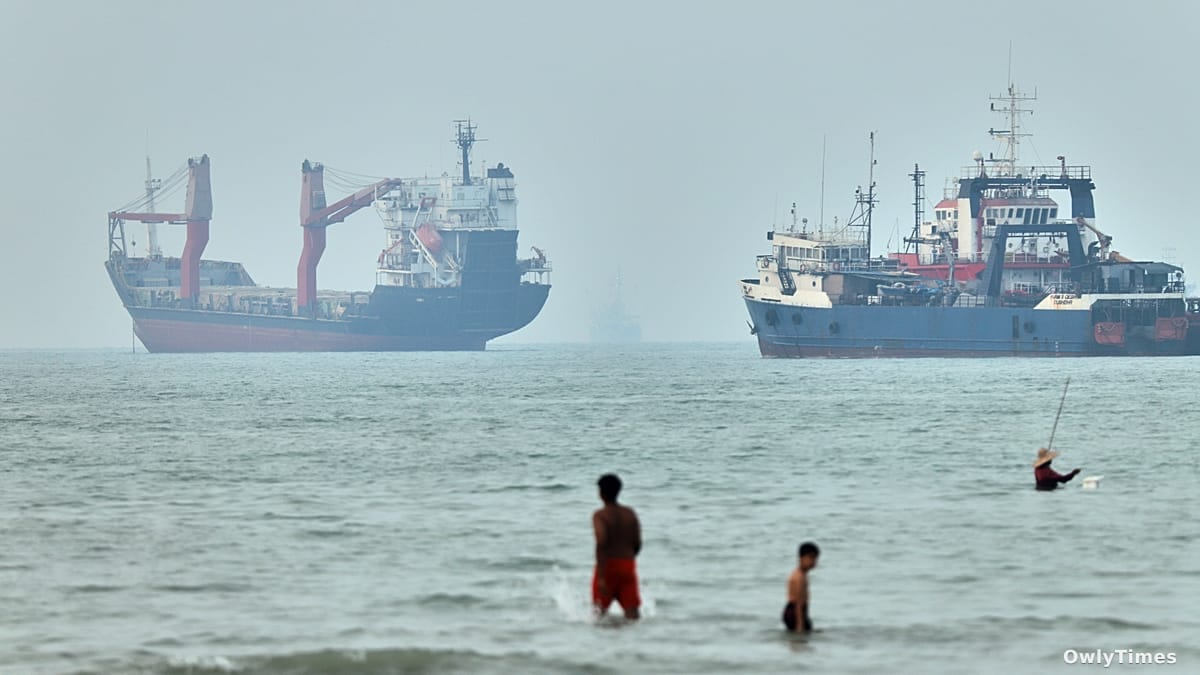
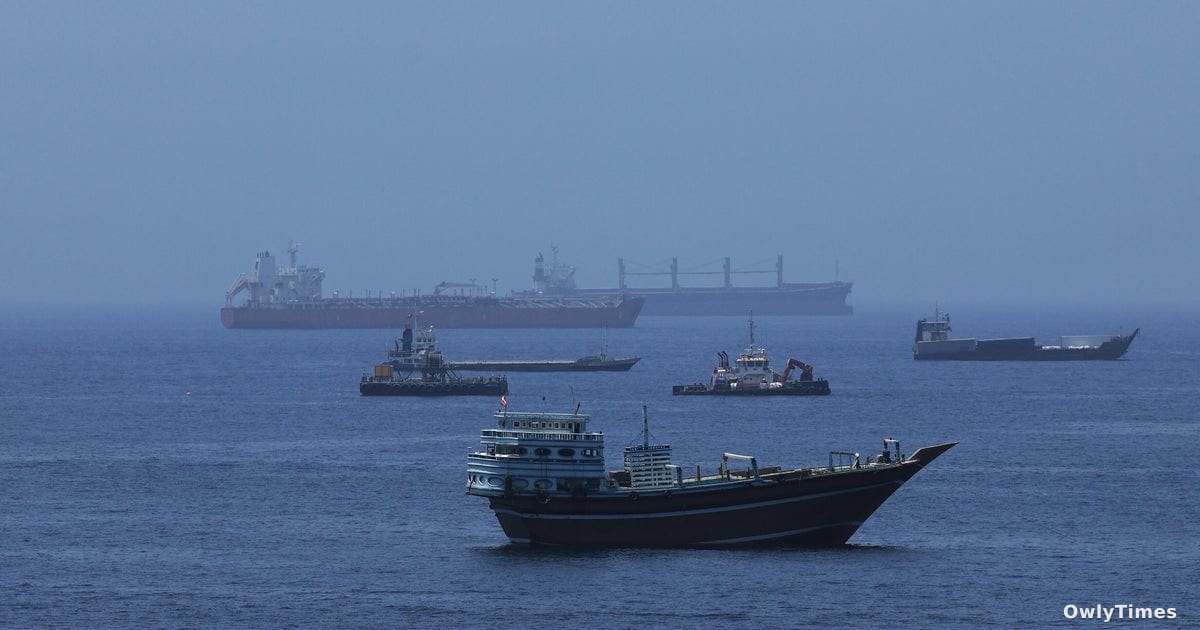
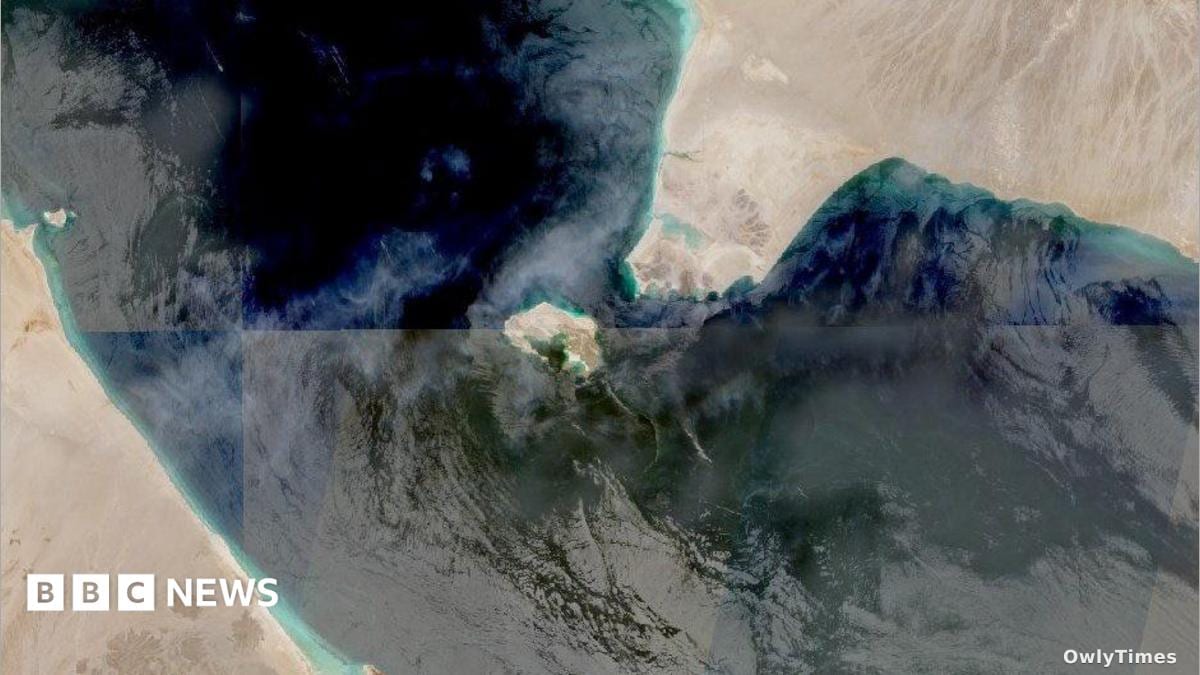
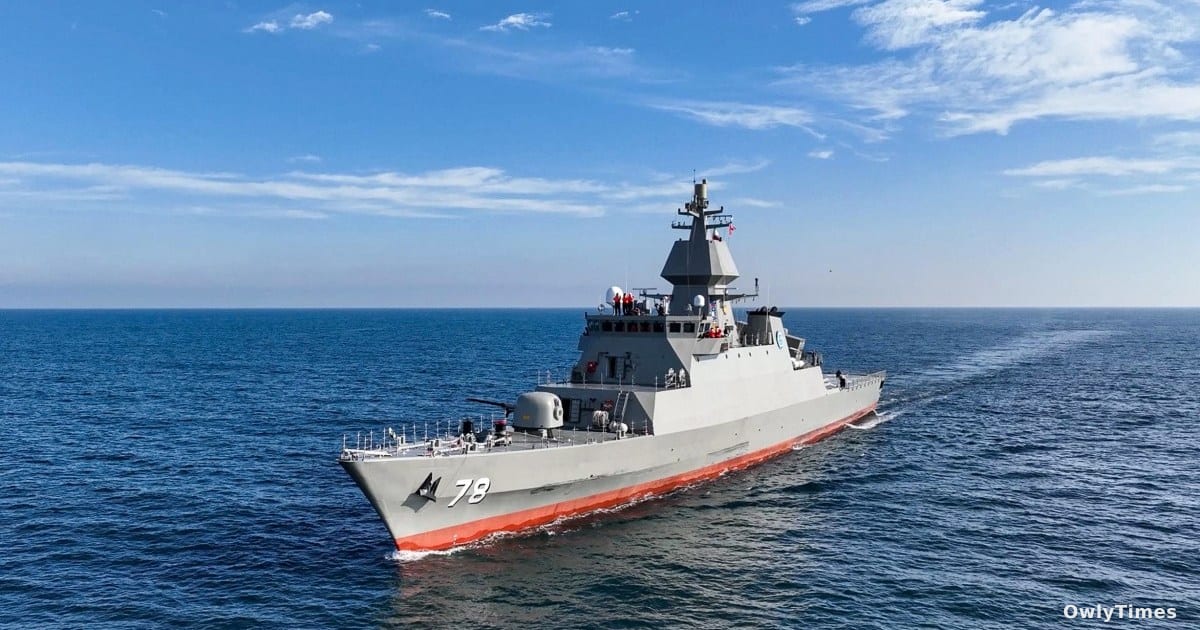
For the average consumer, this "war of the sea" feels like a distant abstraction until it hits the gas pump or the price of imported electronics. Think of maritime trade like a massive, global plumbing system: when a pipe bursts in the Strait of Hormuz, the pressure drops everywhere. CBS News reports that the public’s frustration is mounting, with most Americans expecting the conflict to drag on for months or years. This exhaustion is mirrored in the tactical reality on the water. While The Independent notes that an oil tanker exploded after hitting a mine in the Strait of Hormuz over the weekend—allegedly after drifting off an Iranian-designated route—CBS News highlights a separate incident involving a tanker and military forces in the Gulf of Oman reported to the U.K. Maritime Trade Operations agency.
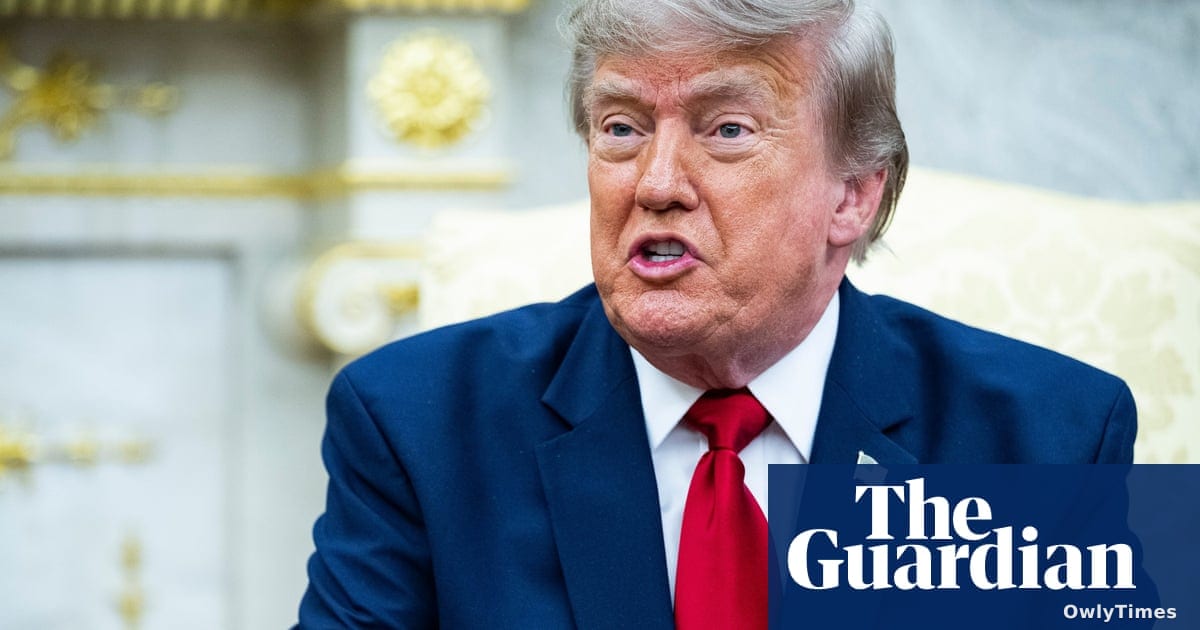
The diplomatic response has been a masterclass in obfuscation. CBS News reveals that regional mediators are pushing for a 10-day pause in fighting to facilitate a memorandum of understanding, a move that coincided with a deliberate lull in U.S. bombing strikes. Yet, even as Donald Trump signals a willingness to listen to potential deals, his rhetoric remains volatile. The Independent quotes the President as saying he is considering a "full-scale war" if he doesn't secure 100 percent of his demands. Meanwhile, British Defence Secretary Wes Streeting has publicly dismissed Iranian "sabre-rattling," promising a firm response to any threats against the U.K. or its allies.
The danger here is the precedent. As The Guardian astutely points out, when the U.S. and Iran normalize the idea of monetizing or blocking international transit, other nations are taking notes. If countries like Indonesia or Turkey decide that the "rules of the sea" are merely suggestions, the cost of global commerce will skyrocket. We are currently in a fragile holding pattern. With Israeli Prime Minister Benjamin Netanyahu scheduled to meet with Trump at the White House this coming Monday, the next major pivot in this conflict will likely be decided behind closed doors in Washington, far from the mine-strewn waters where the real damage is being done.