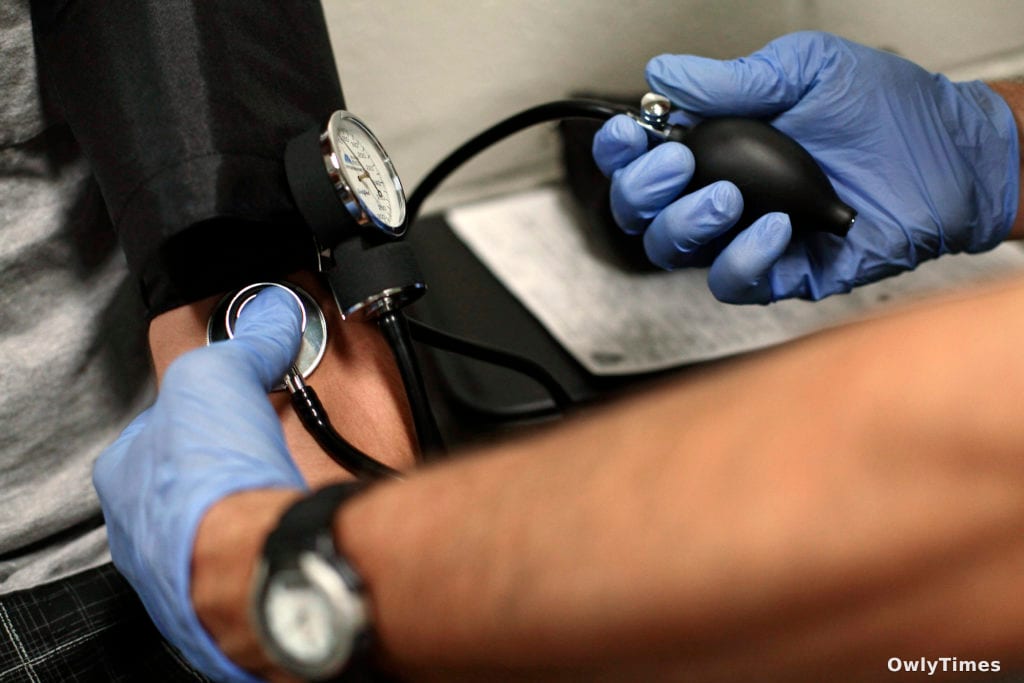

The question of whether the state can adequately fulfill its constitutional obligation to provide healthcare for those it incarcerates has moved beyond legal debate in Arizona and entered a phase of direct intervention. On February 19, 2026, U.S. District Judge Roslyn Silver issued an order mandating a takeover of healthcare operations within the state’s prison system, a decision stemming from a 2022 ruling that found Arizona had systematically violated the rights of prisoners through demonstrably inadequate medical and mental health care. While headlines proclaim a “takeover,” the nuance of this ruling – and what it reveals about the broader crisis in correctional healthcare – deserves careful examination. This isn’t simply about bad doctors or overworked nurses; it’s a systemic failure rooted in funding, policy, and a persistent undervaluing of incarcerated lives.
A Pattern of Neglect Confirmed in Court
The judge’s order isn’t a sudden reaction, but the culmination of years of litigation and documented failings. The 2022 verdict, a critical turning point, established that Arizona’s healthcare provisions for prisoners were so deficient they resulted in unnecessary suffering and, crucially, preventable deaths. The specifics outlined in court filings detailed chronic understaffing, delayed or denied access to specialists, and a general lack of continuity of care. To understand the scale of this failure, consider that Arizona’s prison population hovers around 42,000 individuals, a number that, while fluctuating, consistently places a strain on resources. The state’s per-prisoner healthcare spending, even before these legal challenges, lagged behind the national average of approximately $8,000 per inmate per year, a figure itself often considered insufficient for comprehensive care. The court found that this underfunding directly translated into substandard treatment.
Reporting from PBS informs this analysis.
The Mechanics of a System in Receivership
Judge Silver’s order doesn’t detail how the takeover will unfold, only that she will appoint a receiver to assume control of the healthcare system. This receiver, whose identity has not yet been announced, will have broad authority to overhaul operations, including hiring and firing staff, negotiating contracts with healthcare providers, and implementing new policies. This is a significant departure from the typical model of state-run correctional healthcare, and it’s a step rarely taken. Receiverships are generally reserved for situations where a state has demonstrably proven incapable of correcting systemic issues on its own. The financial implications are substantial; the state will be responsible for covering the costs associated with the receiver’s work, as well as any necessary improvements to the healthcare infrastructure. Initial estimates suggest this could easily exceed $50 million annually, a figure that will undoubtedly be a point of contention in the Arizona legislature.
Beyond Arizona: A National Crisis of Care
The Arizona case isn’t isolated. Across the United States, correctional healthcare systems are facing similar challenges. Aging prison infrastructure, coupled with increasing rates of chronic illness among incarcerated populations – often exacerbated by pre-existing health disparities – are creating a perfect storm. A 2024 report by the National Commission on Correctional Health Care found that nearly one-third of state prison systems are operating under court orders or consent decrees related to healthcare deficiencies. The problem isn’t simply a lack of resources, though that’s a major factor. It’s also a cultural one. Correctional facilities are often viewed as places of punishment, not rehabilitation, and this mindset can permeate healthcare provision. The result is a system where preventative care is deprioritized, mental health services are inadequate, and prisoners are often treated as less deserving of quality medical attention than the general public.
Limitations to Consider: The Receiver’s Challenge
While the court-ordered takeover represents a significant step towards addressing the healthcare crisis in Arizona’s prisons, it’s crucial to acknowledge the limitations. A receiver can implement changes, but they cannot fundamentally alter the underlying systemic issues that contribute to the problem. Recruiting qualified medical professionals to work in a correctional setting can be difficult, even with increased salaries and improved working conditions. Furthermore, the receiver will face political headwinds from those who oppose the intervention and resist increased spending on prison healthcare. The success of this endeavor will depend not only on the receiver’s expertise but also on the willingness of state officials to cooperate and provide the necessary resources.
The next critical step is the appointment of the receiver and the subsequent development of a comprehensive plan for improving healthcare within the Arizona prison system. However, the more important question looming is whether this intervention will serve as a catalyst for broader reform in correctional healthcare nationwide. Will other states facing similar challenges be compelled to address their own systemic failings, or will Arizona’s experience be viewed as an anomaly? The coming months will reveal whether this legal victory translates into tangible improvements in the lives of incarcerated individuals and a fundamental shift in how society views its responsibility to provide healthcare for all, regardless of their circumstances.