
As the 2026 FIFA World Cup reaches its knockout phase, the intersection of high-stakes athletics and physiological impact has come into sharper focus. The central scientific question currently being explored is how the intense emotional engagement of international sports fandom manifests as a measurable stress response within the human body. While headlines often sensationalize the "dangers" of watching a high-pressure match, recent data suggests that for many healthy individuals, the rapid fluctuations in heart rate and cortisol levels function more as a form of acute, manageable physiological exercise rather than a health risk.
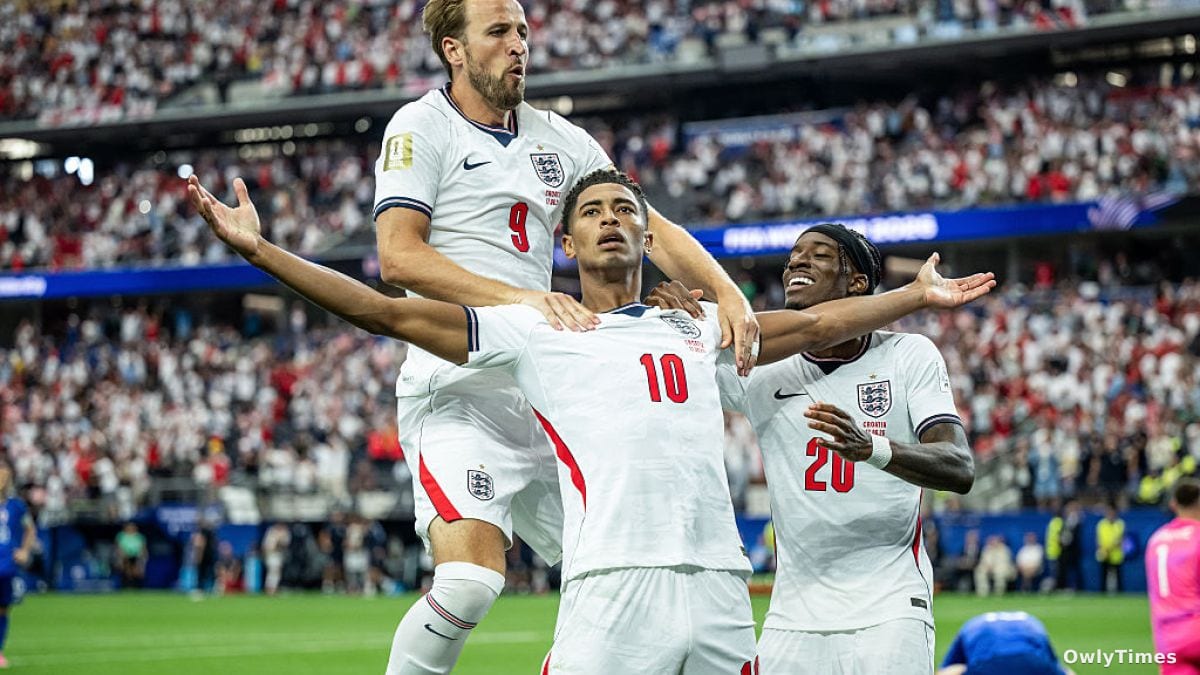
This distinction between perceived stress and clinical harm was illustrated in a recent experiment conducted during England’s 4-2 group stage victory over Croatia. According to the BBC, researchers monitored a participant’s vitals in real-time to track how a "six-goal thriller" affected their autonomic nervous system. The study found that while the subject’s heart rate jumped from a baseline of 54 beats per minute to 69 beats per minute within half a second of a Harry Kane goal, the body’s recovery was notably efficient. What the headlines might characterize as "damaging stress," the researchers identified as a "mild form of exercise," noting that the subject’s physiology remained resilient throughout the event.
However, it is vital to acknowledge the limitations of such observations. The researchers explicitly noted that these findings—where the subject was described as a "cool customer" with a low stress response—are not universal. The BBC report emphasizes that for individuals with different health profiles, the "emotional rollercoaster" of a tournament could present a vastly different set of physiological challenges, suggesting that the "good stress" observed is heavily dependent on the baseline physical conditioning of the spectator.
As the tournament progresses, the focus shifts from the stands to the pitch, where England prepares for a significant challenge against the Democratic Republic of Congo in the round of 32. According to Al Jazeera, the match at Atlanta Stadium on Wednesday represents a historic fixture, as it marks the first-ever meeting between the two nations. While Opta’s supercomputer models project a 73.9 percent probability of an England victory, the Congolese team enters the knockout stage with momentum following their maiden World Cup win against Uzbekistan.
The logistical preparations for this fixture also highlight the global scale of the event, with Al Jazeera detailing that England will likely see the return of midfielder Declan Rice, while the team continues to navigate defensive adjustments due to injuries. This level of granular tactical preparation contrasts with the broader commercial shifts occurring in the sports media landscape; for instance, The Guardian reports that ITV has recently finalized significant long-term broadcasting rights for international rugby, a move that underscores the lucrative nature of live, high-stakes sporting events.
Moving forward, the next phase of research into fan physiology will likely focus on larger, more diverse sample sizes to determine if the "good stress" recovery observed in controlled settings holds true across broader demographics. Understanding these patterns is essential, as it helps decouple the genuine health impacts of spectator sports from the hyperbole often found in public discourse, providing a more precise picture of how we interact with the games we watch.