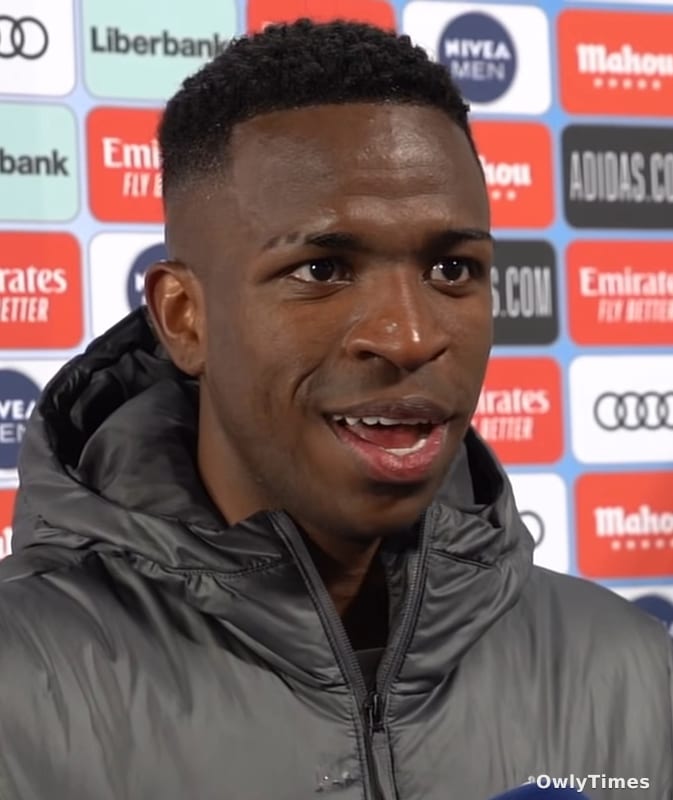

The roar of the crowd at Lisbon’s Estadio da Luz, usually a symphony of passion, fractured into something uglier on February 17th. Ten minutes of silence descended as Vinicius Jr, Real Madrid’s electrifying forward, stood frozen, pointing towards a section of Benfica supporters, alleging racial abuse. The incident, initially sparked by an on-field exchange with Benfica’s Gianluca Prestianni, quickly escalated, becoming a stark reminder that even in the cathedral of global sport, the shadow of racism continues to loom large. But beyond the headlines of suspensions and accusations, this moment reveals a deeper, more troubling dynamic: the shifting burden of proof in confronting racism, and the uncomfortable questions it raises about responsibility within the game.
The Weight of Allegation and the Speed of Response
Benfica acted swiftly, expelling five members following an internal investigation into “behaviour of a racist nature.” This is a significant step, particularly given the historical reluctance of some European clubs to decisively address fan misconduct. However, the speed of the response feels almost…reactive. The club’s statement emphasizes its “zero tolerance” policy, a now-standard refrain, but it doesn’t address the core issue: the initial accusation leveled against Prestianni, which he vehemently denies. A one-match provisional ban from UEFA followed for Prestianni, sidelining him for the return leg, a punishment handed down before any conclusive evidence emerged. This raises a critical question: are players now being penalized based on allegation alone, potentially jeopardizing their careers before due process can unfold? The precedent is dangerous, particularly in a sport where reputations are everything.
Drawn from Yahoo Sports.
Mourinho’s Counter-Narrative and the Blurring of Victim and Provocateur
The fallout extended beyond the pitch, with Jose Mourinho, Benfica’s manager, adding fuel to the fire. Mourinho publicly criticized Vinicius Jr’s celebration as “disrespectful” and accused him of inciting the crowd. These comments, swiftly condemned by figures like former Real Madrid midfielder Clarence Seedorf, were particularly jarring. They represent a troubling tendency to shift the focus from the alleged perpetrators of racism to the player who became the target. It’s a classic tactic – questioning the victim’s behavior to deflect from the offense – and its deployment by a figure as influential as Mourinho is deeply concerning. It wasn’t simply a disagreement over sportsmanship; it was a subtle re-framing of the narrative, suggesting Vinicius Jr somehow invited the abuse. This isn’t to say celebration styles are beyond critique, but the timing and context are crucial.
Beyond the Stadium: A Reflection of Broader Societal Tensions
This incident isn’t isolated. Vinicius Jr has been subjected to racist abuse multiple times in La Liga, and the issue extends far beyond Spanish football. In fact, a 2023 report by the Fare Network revealed a 68% increase in reported incidents of racism in European football compared to the previous season. This surge isn’t merely about a rise in racist individuals; it’s a symptom of broader societal tensions, fueled by political polarization and the amplification of extremist views online. Football stadiums, often seen as microcosms of society, are simply reflecting these larger problems. The fact that a player of Vinicius Jr’s stature – a global superstar – continues to be targeted highlights the deeply ingrained nature of the problem. The incident also underscores the limitations of relying solely on clubs and governing bodies to address the issue. While their actions are important, a fundamental shift in societal attitudes is required.
The Future of Accountability in Football
Benfica’s denial of claims that Prestianni admitted to uttering a racist insult further complicates the situation. It raises questions about transparency and the willingness of clubs to fully cooperate with investigations. The club’s commitment to “not tolerating any form of discrimination” rings hollow if it’s coupled with a reluctance to acknowledge potential wrongdoing within its own ranks. As football continues to globalize and become increasingly diverse, the pressure to address racism will only intensify. But will the industry prioritize genuine accountability – including robust investigations, meaningful sanctions, and proactive education – or will it continue to rely on reactive statements and symbolic gestures? The next crucial step isn’t just about punishing those found guilty, but about creating a culture where racist behavior is actively challenged and prevented, and where players like Vinicius Jr aren’t forced to carry the burden of proof alone. Will we see governing bodies adopt standardized protocols for investigating allegations, ensuring fair and transparent processes for all involved? That’s the question that will define whether this moment truly marks a turning point, or simply another painful reminder of football’s ongoing struggle with its darkest side.