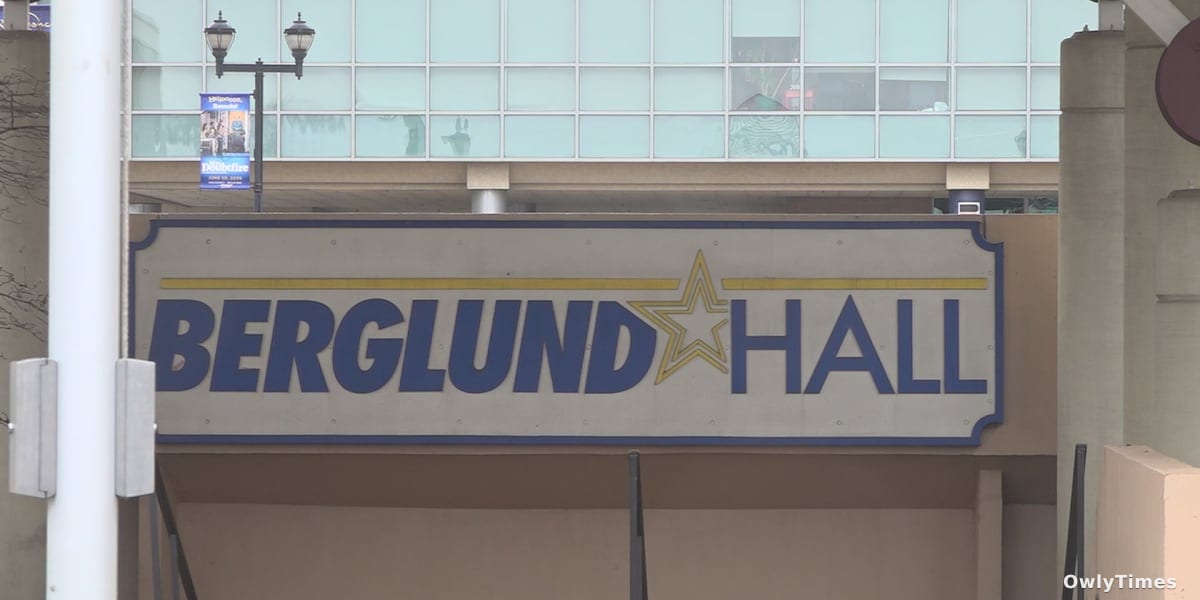

The chipped paint of the Berglund Center’s facade feels less like a sign of deferred maintenance and more like a symptom of a city wrestling with its identity. Last Friday night, 10,000 fans packed the arena for a Roanoke Railyard Dawgs game against Peoria, a surge of energy that momentarily masked the underlying financial strain – the center bleeds over $2 million annually, a figure that’s become a rallying cry for change. But what kind of change? That’s the question hanging over Roanoke as a focus group, led by City Council Member Phazhon Nash, reconvened Thursday night to brainstorm alternatives, a shift in strategy following Mayor Joe Cobb’s admission that a casino isn’t happening this year. This isn’t just about saving a building; it’s about Roanoke’s struggle to hold onto its young people, to become a destination instead of a drive-through town.
The initial fervor around a casino – a plan hatched with a degree of secrecy that raised eyebrows, including a heavily redacted memorandum of understanding with an unnamed operator and $75,000 in funding from the company – now feels like a cautionary tale. It exposed a tension at the heart of Roanoke’s development strategy: a willingness to pursue big, potentially transformative projects, even if it means operating with less-than-full transparency. Mayor Cobb defends the approach, pointing to a decade-long, behind-the-scenes courtship of Mast General Store as precedent, but the casino push felt different, more urgent, and ultimately, stalled by opposition from state lawmakers. The city’s eagerness, he explains, stemmed from the operator approaching Roanoke, presenting a potential “anchor” for a broader entertainment district that could address the Berglund Center’s needs and add amenities. But the fact remains: the casino dream, for now, is on hold, leaving a void and a renewed focus on what Roanoke really wants to be.
Drawn from wdbj7.com.
This pivot isn’t simply a retreat; it’s a recognition that the future of the Berglund Center – and, by extension, Roanoke itself – hinges on more than just gambling revenue. Council Member Nash articulates the core problem: the perception among young residents that Roanoke lacks engaging entertainment options, driving them to larger cities like Charlotte, Richmond, and Raleigh. This isn’t a new lament. For years, Roanoke has battled the narrative of being a pleasant but ultimately quiet place. The Berglund Center, intended as a hub for concerts, events, and community gatherings, has instead become a symbol of that stagnation. The city’s vision now extends beyond a casino to include restaurants, parking improvements, a conference center, and a hotel – a more holistic, albeit less immediately lucrative, approach. The challenge is translating that vision into reality, and doing so in a way that resonates with the very demographic Roanoke is trying to retain.
The division on the City Council reflects this broader struggle. While Mayor Cobb, along with Council Members Peter Volosin, Vivian Sanchez-Jones, and Phazhon Nash, initially championed the casino, Vice Mayor Terry McGuire and Nick Hagen voiced opposition. Evelyn Powers, the remaining council member, remains undecided, emphasizing the importance of public input. This split isn’t just about a casino; it’s about fundamentally different philosophies of economic development. Is Roanoke willing to take bold, potentially controversial risks to attract investment, or should it focus on incremental improvements and community-driven solutions? The focus group, with its call for “constructive criticism” – not just complaints, but concrete suggestions – is an attempt to bridge that divide and tap into the collective wisdom of the city. The recent opening of a lounge area at the Berglund Center on February 27th is a small step, but it signals a desire to create a more welcoming and vibrant atmosphere.
Beyond the headlines about casinos and revenue shortfalls, Roanoke’s predicament is a microcosm of the challenges facing mid-sized cities across the country. They’re caught between the allure of large-scale development projects and the need to preserve their unique character, between attracting new residents and retaining the ones they have. The Berglund Center isn’t just a building; it’s a testing ground for Roanoke’s future. Will the city be able to create a compelling entertainment district that appeals to a younger generation, or will it continue to struggle with the perception of being a place people pass through rather than a place they choose to stay? The question isn’t whether Roanoke can afford to fix the Berglund Center, but whether it can afford not to define what it wants to become.