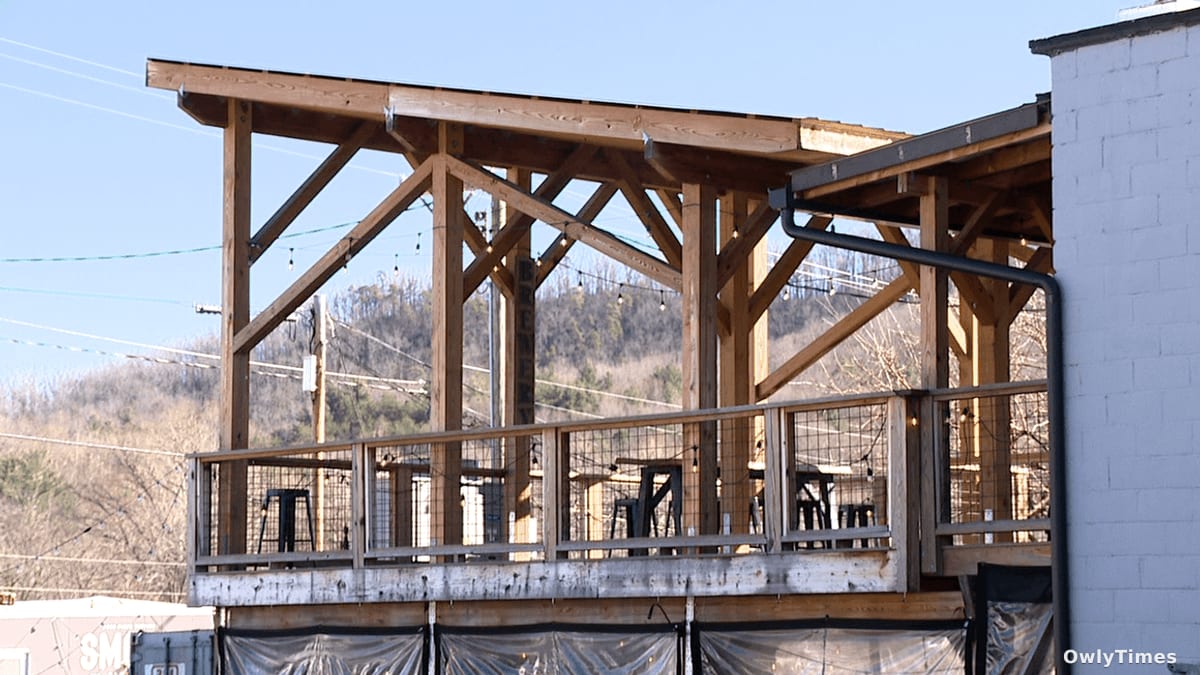

Is your local brewery’s patio permit a ticking time bomb? That’s the question simmering beneath the surface of the increasingly bitter dispute between Black Mountain Brewing and the Town of Black Mountain, North Carolina. While the immediate issue is a closed upper deck – a casualty of admitted town oversight – the real story here isn’t about a single brewery’s lost revenue; it’s about the precarious position of small businesses navigating a labyrinth of local regulations, and the escalating cost of bureaucratic error.
On March 18, 2026, Black Mountain Brewing, along with The Rail Yard and food truck SMOKE, participated in a town-requested mediation session, hoping to avoid a lawsuit stemming from the upper deck’s shutdown. The closure, triggered by the town’s own acknowledgment of “errors in permitting and inspection practices,” has demonstrably impacted the businesses. John Richardson, owner of Black Mountain Brewing, publicly stated the goal was a “win-win,” a sentiment that feels increasingly distant given the outcome of the meeting. A press release issued by the brewery bluntly stated that “progress was not made.” This isn’t a simple case of a business flouting regulations; it’s a town admitting fault after inflicting damage.
See the original wlos.com story for the full account.
The timeline, revealed through town records, paints a particularly damning picture. The controversy isn’t a recent development, but rather the culmination of “years of oversight failures.” This isn’t a rogue inspector making a single mistake; it’s a systemic breakdown in how Black Mountain manages its business licenses and safety inspections. Consider the broader context: small businesses already operate on razor-thin margins, and a sudden, unexpected closure – even one ultimately deemed unjustified – can be fatal. The National Federation of Independent Business reported a 6% increase in business closures in towns with similar regulatory disputes in 2025, a figure that’s likely to climb if municipalities don’t prioritize proactive compliance over reactive enforcement.
The brewery’s press release didn’t mince words, accusing the town of showing “little urgency” and a “persistent unwillingness to engage in meaningful dialogue.” This isn’t just about the deck; it’s about a perceived lack of respect for the businesses that contribute to Black Mountain’s identity. The town’s initial response – admitting errors – felt like a step towards accountability. But the stalled mediation suggests that admission was merely a tactical maneuver, a way to appear reasonable while ultimately protecting itself from liability. This dynamic is playing out in towns across the country, where local governments are increasingly facing scrutiny for overregulation and inconsistent enforcement.
What’s particularly troubling is the potential precedent this sets. If towns can admit fault, then inflict significant financial harm on businesses while offering little in the way of remediation, it creates a chilling effect on entrepreneurship. Why risk investing in a community where a bureaucratic error can shutter your doors? The economic impact extends beyond the directly affected businesses. The Rail Yard and SMOKE, while not directly targeted, are caught in the crossfire, their own operations potentially hampered by the uncertainty. The situation highlights a fundamental tension: the need for responsible regulation versus the imperative to foster a thriving local economy.
Looking ahead, watch for a surge in litigation targeting municipalities over permitting and inspection disputes. Black Mountain Brewing has stated it will “evaluate all available options,” which almost certainly includes a lawsuit. But the real test won’t be the outcome of this specific case. It will be whether other towns learn from Black Mountain’s mistakes and proactively address their own regulatory vulnerabilities – or wait for the next brewery, the next restaurant, the next small business to become a cautionary tale. The question isn’t if more towns will face similar challenges, but when they’ll start prioritizing prevention over protracted, and costly, legal battles.