
Is the golf course a sanctuary for pure athleticism, or is it just a high-stakes arena where the most technical players are constantly tripping over the fine print of a rulebook? The real story here isn't just a temperamental golfer clashing with authority; it’s a collision between the modern, data-driven approach to sport and the rigid, often opaque regulations that govern it.
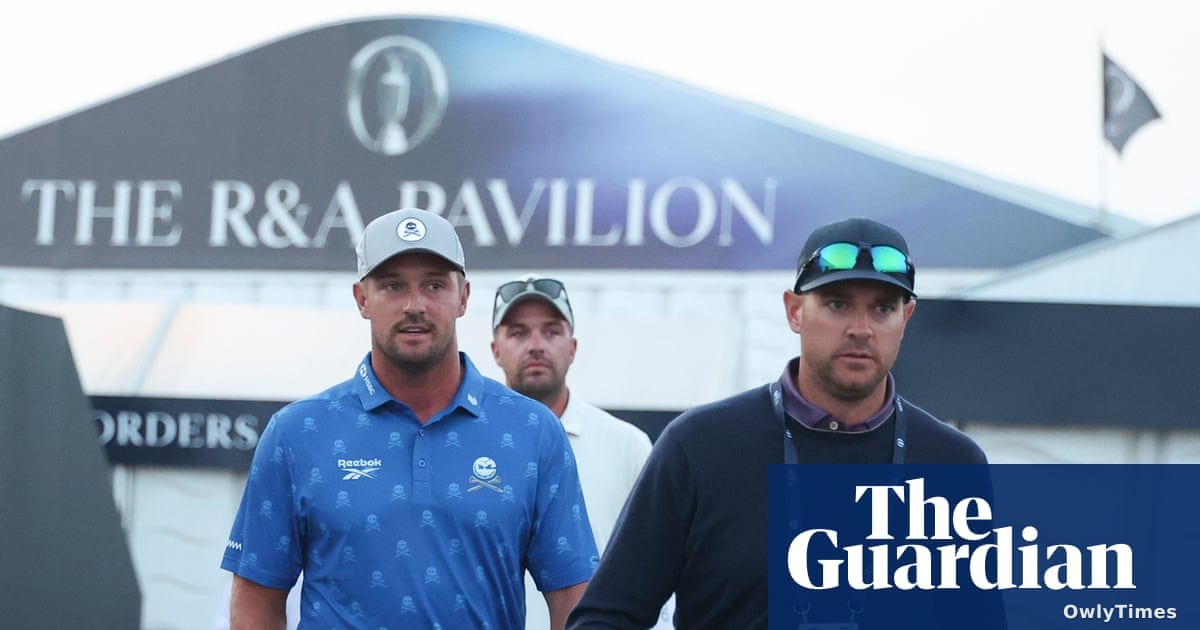
At the center of this firestorm is Bryson DeChambeau, who found himself at the heart of an unprecedented scene at Royal Birkdale during the second round of the 2026 Open Championship. According to The Guardian, the 32-year-old was initially sitting at seven-under-par, just one stroke off the lead, before a post-round investigation by the R&A upended his tournament. Both the BBC and CBS Sports report that the controversy stemmed from the fifth hole, where DeChambeau was filmed trampling tall grass behind his ball.
When the Rulebook Becomes the Opponent
The R&A’s intervention—which saw DeChambeau dragged back to the scene of the incident with officials—serves as a reminder that in golf, the environment is just as much a "player" as the human on the course. Grant Moir, the R&A’s executive director of governance, confirmed that DeChambeau was penalized two strokes for "inadvertently improving" his intended swing area. As The Guardian and CBS Sports detail, the ruling hinges on Rule 8.1, which prohibits moving, bending, or breaking natural objects to gain an advantage, regardless of intent.
While the officials maintained the penalty was appropriate, the atmosphere was thick with tension. The Guardian notes that DeChambeau was so incensed that he initially threatened to withdraw from the tournament entirely. CBS Sports adds that the resulting two-stroke penalty turned his bogey on the fifth into a triple bogey, shifting his score from a 66 to a 68. This drop pushed him from solo second place into a tie for fifth at five under par, three shots behind leader Lucas Herbert.
A Polarization of Style
The incident highlights the long-standing friction between DeChambeau’s idiosyncratic, power-focused approach and the traditionalists of the sport. As the BBC points out, this isn't the first time his methods have been questioned; three-time Open champion Nick Faldo had previously criticized DeChambeau’s strategy, claiming he lacked a nuanced understanding of links golf. Yet, even his critics, such as former European Tour winner Andrew Murray, acknowledged that DeChambeau’s performance at Birkdale—before the penalty—showed a newfound, impressive patience.
The fallout of this event is measurable not just in strokes, but in the precedent it sets for how officials police "accidental" advantages in real-time. DeChambeau, who famously claimed the penalty "fires me up" in a post on X, spent his Friday night hitting balls on the driving range, signaling his intent to continue. However, the true test remains the weekend; the penalty has effectively removed his margin for error. If he finishes one or two strokes off the leader on Sunday, this single ruling will be remembered as the defining pivot point of his 2026 campaign.