
The Calculus of Controlled Disclosure: Why Blumenthal’s Anger Matters
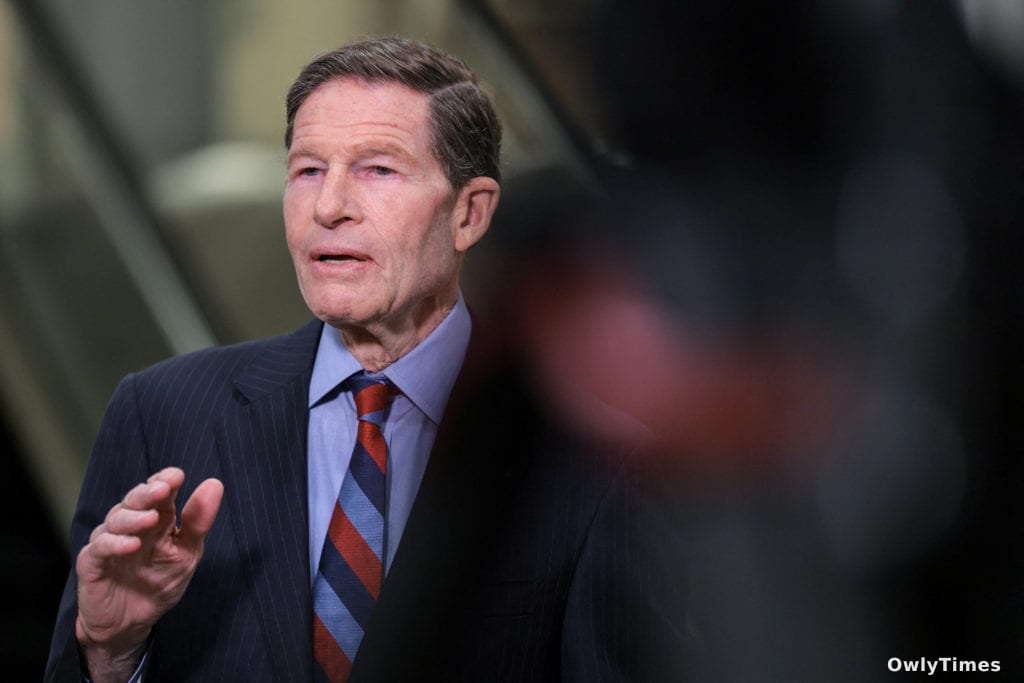
Senator Richard Blumenthal’s public expression of “dissatisfaction and anger” following a classified briefing on Tuesday isn’t simply a display of frustration; it’s a calculated move within a long-running struggle over war powers and budgetary transparency. The immediate trigger – concerns about potential ground troop deployment and the escalating costs associated with ongoing conflicts – is less important than the strategic signaling Blumenthal is undertaking. He’s leveraging his position on the Senate Armed Services Committee to publicly demonstrate a lack of confidence in the information being provided by the administration, a tactic designed to force a more detailed accounting of military expenditures and strategic objectives. This isn’t about preventing a specific action; it’s about reasserting Congressional oversight, a power that has steadily eroded over decades.
Reporting from PBS informs this analysis.
Echoes of Vietnam: The Information War and Public Opinion
Blumenthal’s demand for greater transparency – “The American people deserve to know much more than this administration has told them…” – resonates with a historical pattern. The deliberate withholding of information during the Vietnam War, and the subsequent public backlash, fundamentally altered the relationship between the executive branch and Congress regarding military engagements. The Pentagon Papers, leaked in 1971, revealed a systematic campaign of deception regarding the scope and objectives of the war, fueling widespread distrust and anti-war sentiment. While the current situation doesn’t mirror Vietnam in its scale or domestic opposition, the underlying dynamic is strikingly similar: a perceived information gap that breeds suspicion and empowers dissenting voices. The administration’s reluctance to fully disclose the “cost of the war,” as Blumenthal frames it, invites comparisons to past instances where opaque justifications for military action ultimately undermined public support.
Who Benefits and Who Loses from Limited Disclosure?
The beneficiaries of limited disclosure are, predictably, those seeking to maintain operational flexibility and avoid political accountability. A vague articulation of strategic goals allows the administration to respond to evolving circumstances without being constrained by pre-defined parameters or budgetary limitations. This benefits the executive branch, particularly the Department of Defense, by granting it greater latitude in deploying resources and pursuing objectives. However, this comes at the expense of Congress, which is constitutionally mandated to control the purse strings and declare war. Senator Blumenthal, by publicly challenging the administration, is attempting to shift the balance of power back towards the legislative branch. The losers, beyond Congress, are arguably the American public, who are left to assess the risks and benefits of military interventions without a complete understanding of the costs involved. The pointed concern about “the danger to our sons and daughters in uniform” is a direct appeal to this public sentiment.
Leavitt’s Counter-Narrative and the Polarization of Risk Assessment
The swift response from figures like Leavitt, accusing Democrats of being “disingenuous” in suggesting a potential ground troop deployment to Iran, highlights the deeply polarized nature of the debate. This isn’t simply a disagreement over facts; it’s a fundamental clash in risk assessment and strategic priorities. Leavitt’s framing attempts to preemptively discredit any criticism of the administration’s policies by portraying it as alarmist and politically motivated. This tactic is common in contemporary political discourse, where accusations of bad faith often overshadow substantive debate. The implication is that questioning the administration’s actions is equivalent to undermining national security. This strategy, however, risks further alienating moderate voices and reinforcing the perception of a closed-door decision-making process.
The Next Chess Move: A Budgetary Showdown Looms
The political chess move to watch next isn’t a dramatic vote on a war declaration, but rather the upcoming budget negotiations. Blumenthal’s public dissatisfaction is likely a prelude to a more forceful challenge during the appropriations process. He, and likely a coalition of other senators, will attempt to attach amendments to the defense budget demanding greater transparency and stricter limitations on military spending. The administration will then be forced to either accept these constraints or risk a politically damaging showdown. The key question is whether Blumenthal can build a broad enough coalition to overcome potential opposition from within his own party, and whether the administration will prioritize maintaining operational secrecy over securing full funding for its military objectives. The outcome of this budgetary battle will reveal the true extent of Congressional resolve and the administration’s willingness to engage in genuine oversight.