
Is handing someone a laptop and calling it “digital equity” any different than giving a starving person a fork and expecting them to thrive? The recent partnership between AT&T, Connected Nation, and the Boys & Girls Club of Bowling Green – providing both Chromebooks and training to local residents – feels good, looks good in a press release, but skirts a far more uncomfortable truth. The real story here isn't about closing the digital divide with hardware; it’s about the widening gap in digital literacy and the surprisingly fragile social connections that make technology useful in the first place.
The initiative, as reported by WBKO, aims to equip participants with skills for education, work, and daily life. That’s laudable, and the free laptops are a tangible benefit. But consider this: in a country where the average person spends over seven hours a day staring at screens, simply knowing how to use a computer isn’t enough. The digital divide isn’t a matter of access anymore – broadband penetration is at 93% according to the FCC, though the quality of that access is another story. It’s about the ability to critically evaluate information, navigate online safety risks, and, crucially, wanting to connect with others through technology.
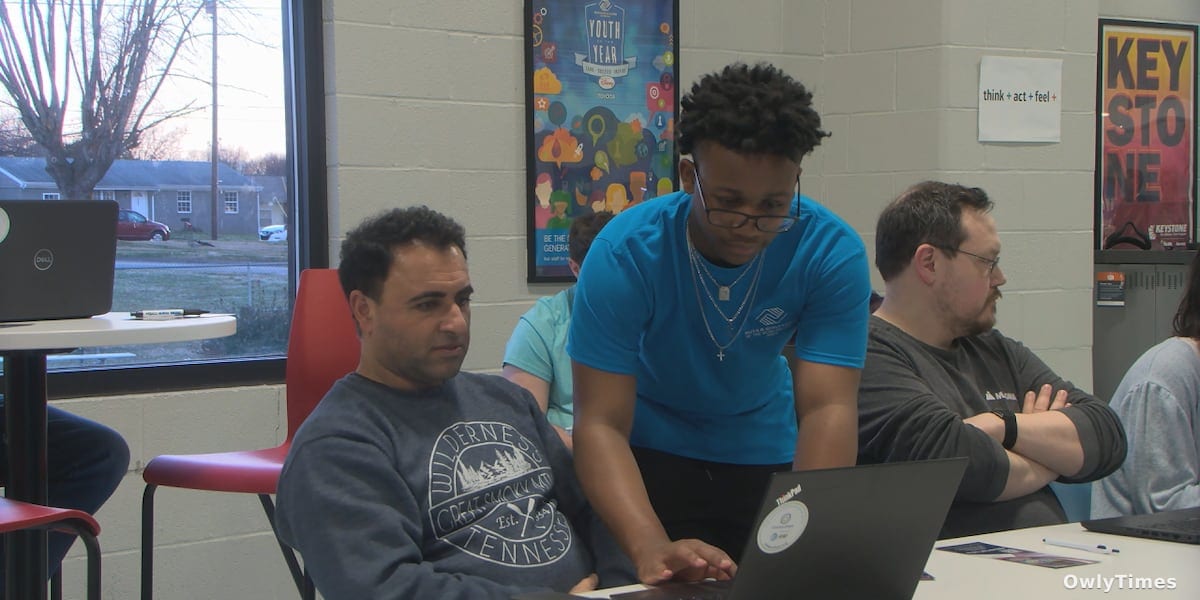
Irelynn Harper, a trainer with Connected Nation’s Teens Teach Tech program, inadvertently highlights this point. Her quote – “I’m learning how to communicate with people…get closer to people…teach people how to use the internet” – reveals that the training isn’t just about technical skills. It’s about building confidence and fostering human connection. This is a crucial, often overlooked element. We assume everyone wants to be “connected,” but for many, especially those who’ve been left behind by previous waves of technological change, the internet feels alienating, even hostile. The program’s inclusion of teen volunteers isn’t just altruistic; it’s a recognition that bridging this gap requires intergenerational understanding.
See the original wbko.com story for the full account.
The impact on families is where this initiative gets particularly interesting. Yvonne DeCarla’s desire to learn digital skills so she can help her daughters with homework isn’t just about academic success. It’s about reclaiming agency and participating in her children’s lives in a meaningful way. This echoes a broader trend: parents feeling increasingly helpless in a world where their children are digital natives. The program isn’t just teaching skills; it’s offering a lifeline to parents who want to stay relevant and supportive. But it also raises a question: why is it the responsibility of a volunteer program to fill this void? Shouldn’t schools be providing this foundational digital literacy training to everyone?
The March 25th session at the Boys & Girls Club of Bowling Green is a welcome step, but it’s a localized solution to a national problem. AT&T’s involvement, while commendable, also feels like a strategic move to polish its public image. The company has faced criticism for its broadband pricing and deployment practices, and initiatives like this can serve as a counterbalance. This isn’t to dismiss the good work being done, but to acknowledge the complex interplay of corporate responsibility, social need, and political optics. The $2.75 billion Digital Equity Act, passed in 2021, promised to address these issues on a larger scale, but progress has been slow and uneven.
Here’s what to watch for: in the next six months, keep an eye on whether programs like this expand beyond basic skills training to include critical thinking, online safety, and digital citizenship. If they don’t, we’ll continue to see a situation where people have the tools to participate in the digital world, but lack the skills to navigate it safely and effectively – and, more importantly, the motivation to even try. The real test won’t be how many laptops are given away, but whether these initiatives can foster genuine, lasting digital inclusion, one human connection at a time.