
The narrative surrounding Cristiano Ronaldo in this year’s World Cup has been defined by a sharp tension between his storied legacy and his current physical reality. At 41 years old, the Portuguese captain arrived in Houston facing intense scrutiny after a lackluster, invisible performance in Portugal's 1-1 opening draw against the Democratic Republic of Congo. While headlines fixated on whether his presence was becoming a distraction or if his teammates were over-deferring to him on the pitch, the scientific reality of performance at the elite athletic level is far more nuanced than simple age-related decline.
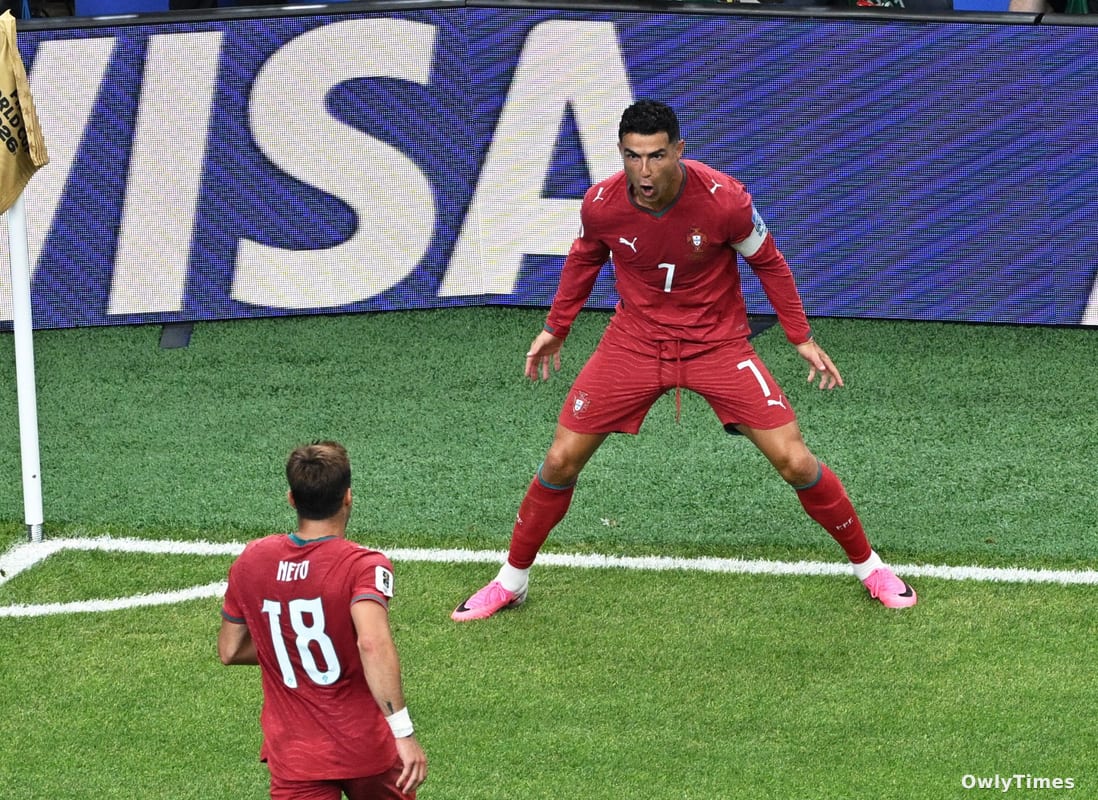
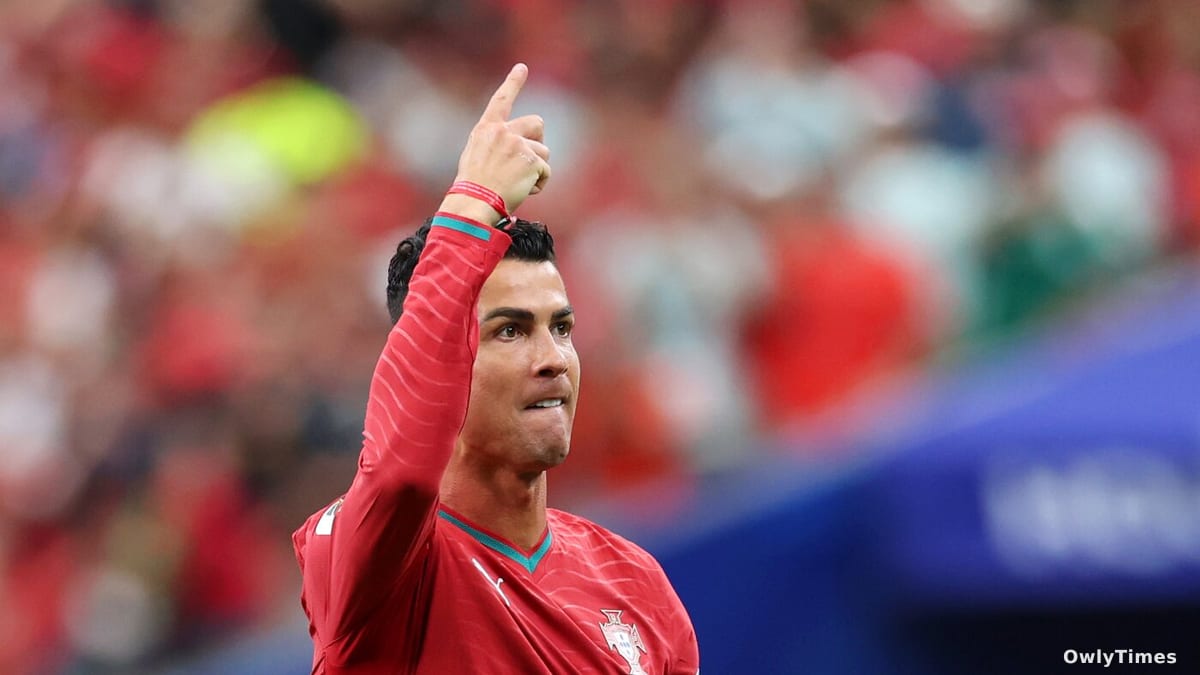
The conversation shifted abruptly on Tuesday, when Ronaldo delivered a decisive performance in Portugal’s 5-0 victory over Uzbekistan. Scoring twice—including a powerful right-footed volley in the sixth minute—he became the first player to score in six different World Cups. To the casual observer, this was a "return to form." To a sports scientist, it serves as a reminder that peak performance is rarely a linear trajectory, but rather a complex interplay of tactical positioning and the ability to capitalize on high-intensity moments.
What the match statistics actually capture, versus the prevailing media narrative of "the old Ronaldo is back," is a study in efficiency. While critics spent the week comparing his output to the explosive hat-trick performances of Lionel Messi or the four-goal hauls of Kylian Mbappe and Erling Haaland, Ronaldo’s game against Uzbekistan relied on the precise distribution of teammates like Bruno Fernandes. The second goal, a 39th-minute strike following a perfectly placed pass, underscores that his effectiveness is increasingly dependent on team-based tactical structures rather than individual endurance alone.
Limitations to consider in this assessment are significant. While a 5-0 win provides a morale boost, it does not erase the systemic concerns raised during the opening match against the Democratic Republic of Congo. A single high-scoring game against a specific opponent does not resolve the long-term question of whether a 41-year-old athlete can maintain the necessary recovery speeds required for a tournament that spans 39 days. Furthermore, the emotional relief visible on Ronaldo’s face post-match—a stark contrast to the worry seen in his previous outings—highlights the psychological burden that can influence physiological output, a phenomenon recently studied in other contexts where fan stress and emotional investment correlate with measurable cortisol fluctuations in participants.
The next critical indicator for Portugal will be their ability to integrate Ronaldo into a midfield that remains a subject of intense tactical debate. With players like Bernardo Silva, Vitinha, and João Neves competing for control, the team’s success will depend on whether they can balance their offensive system to support an aging striker without sacrificing the fluidity required to compete against the tournament's top-tier defenses. The upcoming match reports and subsequent tactical adjustments made by the coaching staff will reveal whether this performance was an outlier or a sustainable model for the remainder of the competition.