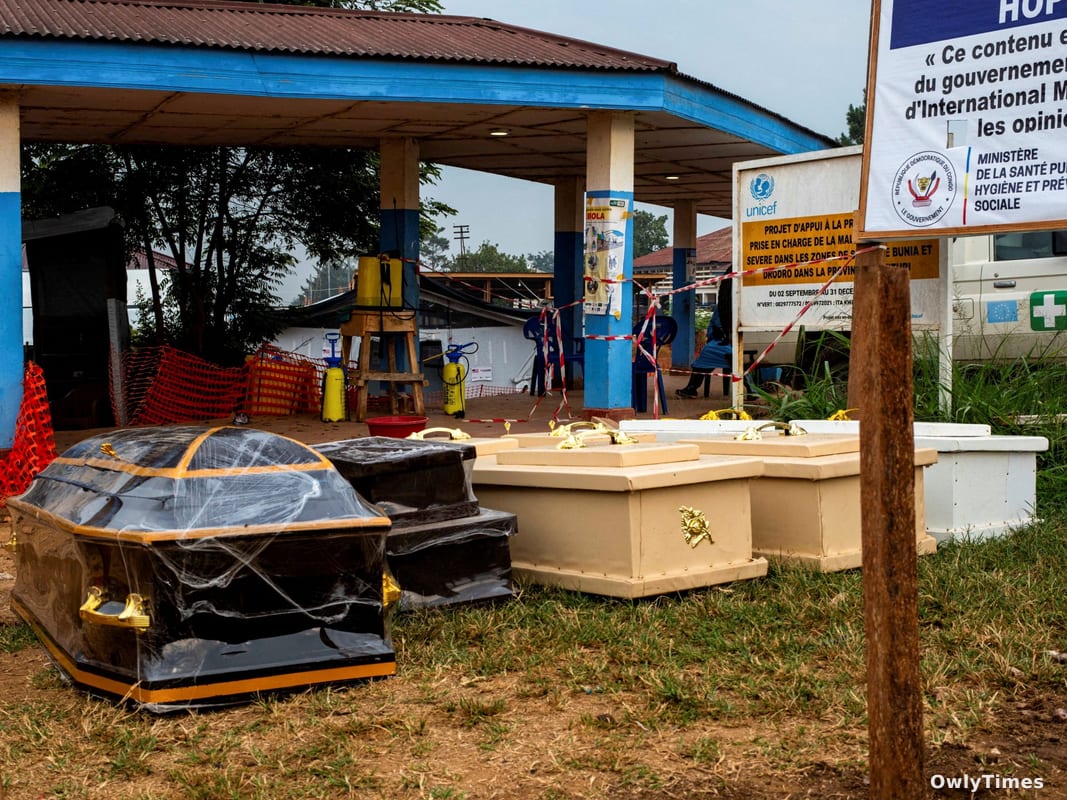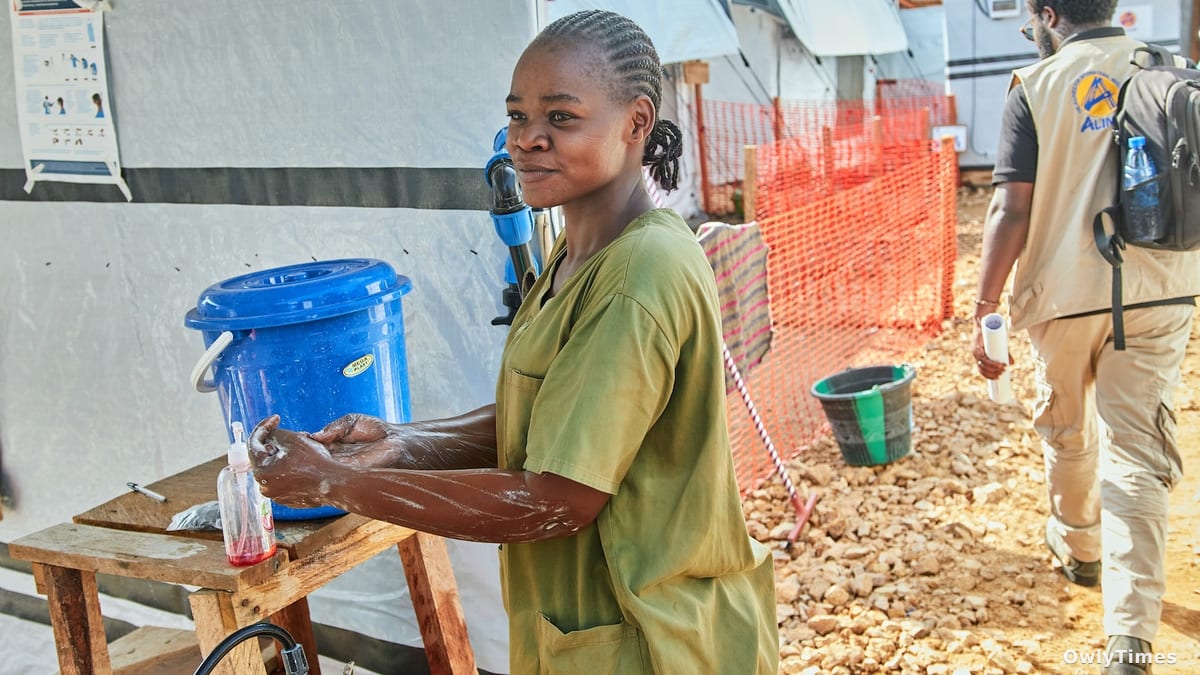

Can we effectively manage a crisis when the data we rely on is essentially a game of "blind man’s bluff"? In the tech world, we often obsess over the speed of information, but the real story here isn't the rapid growth of the current Ebola outbreak in the Democratic Republic of the Congo — it’s the dangerous, widening gap between what we know and what is actually happening on the ground.
The situation in eastern Congo has escalated at a terrifying pace. According to ABC News, confirmed cases reached 2,011 as of July 15, 2026, with 754 deaths recorded. This stands in stark contrast to the data from just three weeks earlier; on June 22, CBS News reported that the case count had just crossed the 1,000 mark, with 254 deaths. In less than a month, the death toll has nearly tripled, a trajectory that health authorities have labeled the fastest-growing outbreak on record.
The Data Deficit
The digital systems we build for global logistics or supply chains often fail when they hit the "last mile" of real-world complexity, and that is exactly what is happening here. While we might look at these numbers and see a spreadsheet, the reality is that the data is fundamentally broken. The World Health Organization notes that 80% of new cases are now emerging from unknown chains of transmission.
This confirms that the "input" for our epidemiological models is essentially garbage, making the "output"—our public health strategy—nearly impossible to calibrate. CBS News highlights that the Africa Centers for Disease Control and Prevention Director-General, Dr. Jean Kaseya, has expressed a lack of confidence in even identifying the index case, or "patient zero." Without that baseline, every subsequent projection is just an educated guess in a dark room.
Infrastructure and the Human Cost
In Silicon Valley, we talk about "frictionless" user experiences, but in the Ituri province, friction is a physical reality that prevents containment. The outbreak is being exacerbated by the Allied Democratic Force, an ISIS-backed rebel group whose violence has severed access to villages and forced massive populations into displacement. CBS News reports that over 2 million people are currently displaced in high-risk zones.
When you have 20,000 people packed into a site like the Kigonze displacement camp, the lack of digital contact tracing—currently stuck at a 67% coverage rate according to ABC News, up from the 55% reported by CBS News in June—is not just a technical failure. It is a catastrophic threat to life. Civil society leader Charité Banza noted that an epidemic within such a site would be a "real catastrophe," yet authorities remain unable to account for the movement of over 35,000 individuals who have come into contact with infected people.
Predicting the Unpredictable
We are currently witnessing a system where the virus is moving faster than our ability to document it, much like a network experiencing a massive, unmitigated packet loss. While the scientific community celebrates advancements in other domains—such as the precision required for the Artemis II lunar flyby, where Live Science notes mission controllers navigated 250,000 miles of space with incredible accuracy—we are failing to apply that same level of rigor to the basic human geography of this outbreak.
The signal to watch is the continued emergence of new cases from unknown sources. Until that 80% figure mentioned by the WHO drops significantly, the outbreak will continue to outpace the response, and we should expect the official death toll to be a massive undercount of the true, hidden scale of the disaster.