
$8,000. That’s the estimated loss for Adrian Zamudio, owner of Angelo’s Stuffed Pizza in Archer Heights, following a coordinated series of burglaries that struck six Chicago businesses in a single four-hour window early Wednesday morning. While smash-and-grab incidents are not new, the precision and geographic spread of this spree – targeting locations from Kenwood to West Elsdon – signals a potential escalation in organized retail crime and a calculated risk assessment by the perpetrators. This isn’t simply about stolen cash; it’s about a deliberate targeting of small businesses and the economic vulnerability they represent.
The Anatomy of a Four-Hour Spree
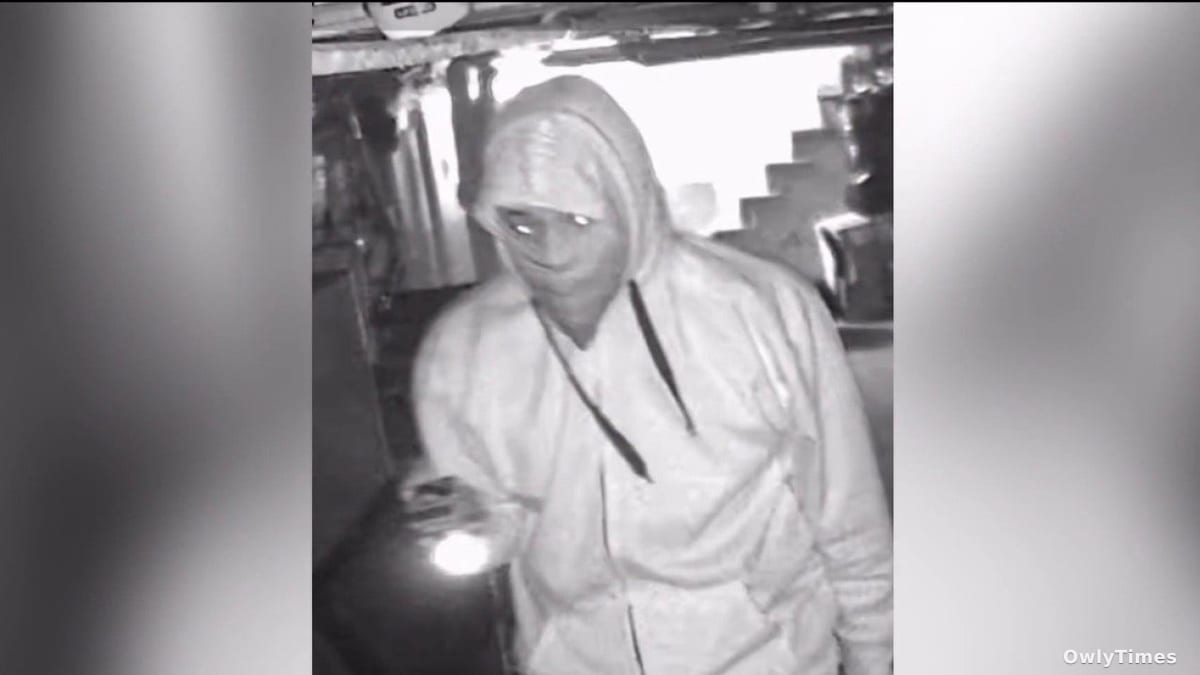
Between 2:30 a.m. and 4:30 a.m. on March 4th, a crew of four individuals, masked and clad in dark clothing, systematically breached six businesses. The locations – 1400 block of East 47th Street, 7600 block of South Jeffery Boulevard, 10300 block of South Halsted Street, 2100 block of West 95th Street, 4800 block of South Pulaski Road, and 5100 block of South Pulaski Road – weren’t randomly selected. They represent a concentrated effort to maximize gains while minimizing the chance of immediate apprehension. The use of a single getaway vehicle, a black Infiniti sedan, further suggests pre-planning and a coordinated operation. Comparing this to the 2022 data from the Chicago Police Department, which reported a 34% increase in burglaries compared to 2021, reveals a concerning trend: while overall crime rates have fluctuated, the sophistication of these incidents appears to be increasing.
Based on the original fox32chicago.com report.
Beyond Angelo’s: Assessing the Broader Impact
Angelo’s Stuffed Pizza, a 30-year fixture in Archer Heights, suffered the loss of cash registers, laptops, cameras, and funds from a safe. But the financial impact extends beyond the immediate value of stolen goods. Adrian Zamudio’s frustration, as reported by Leslie Moreno of FOX Chicago, underscores the emotional and operational disruption these crimes inflict. Repairing shattered glass doors and windows, replacing stolen equipment, and dealing with insurance claims all divert resources from core business functions. This is particularly acute for small businesses, which operate on tighter margins and have less capacity to absorb unexpected costs. The cumulative effect of these disruptions across six businesses could easily exceed $20,000 when factoring in lost productivity and security upgrades.
The Role of Surveillance and Police Response
The fact that Zamudio captured the entire break-in on surveillance cameras highlights the importance of security systems, but also their limitations. While footage aids in investigation, it doesn’t prevent the crime itself. Chicago Police are urging businesses to review their surveillance footage and report any suspicious activity, referencing case number 26-CWP-007. However, the lack of arrests to date raises questions about the effectiveness of current strategies in deterring and apprehending these perpetrators. The CPD’s reliance on public tips, while valuable, is often insufficient to solve these types of crimes quickly. A proactive approach, including increased patrols in vulnerable areas and enhanced collaboration with local business associations, is crucial.
What This Means for Your Wallet
This series of burglaries isn’t just a police matter; it’s an economic indicator. Increased retail crime ultimately translates to higher prices for consumers. Businesses forced to absorb losses or increase security costs will inevitably pass those expenses on to their customers. Furthermore, a perceived increase in crime can deter investment and economic activity in affected neighborhoods. The question now is whether this is an isolated incident or the beginning of a sustained wave of organized retail crime targeting Chicago’s South and Southwest Sides. Business owners in these areas should immediately assess their security vulnerabilities and consider investing in enhanced protection measures. Consumers should be prepared for potential price increases and support local businesses that are working to protect themselves and their communities. Will the CPD be able to disrupt this pattern before it becomes a systemic problem, or will Chicago businesses continue to bear the brunt of this escalating threat?