
$4.17: The Price Tag on Political Friction in Greater Cincinnati
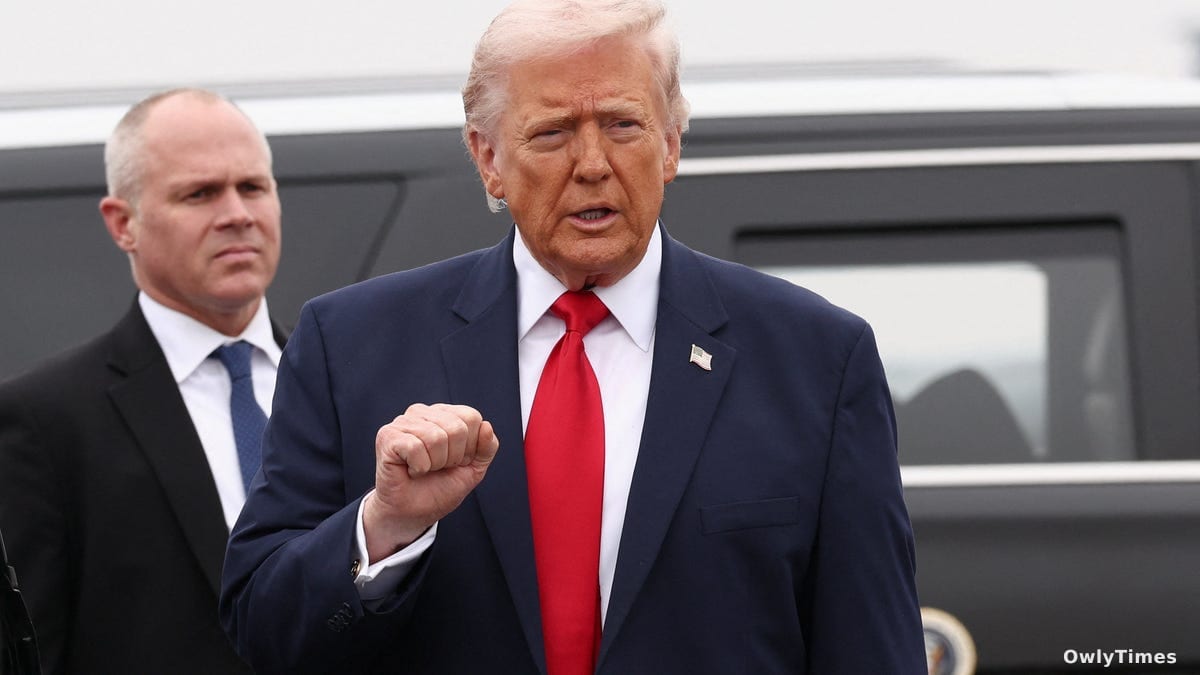
A $4.17 per gallon average – that’s the premium Cincinnati-area drivers are paying for regular unleaded gasoline as of today, March 10th, according to GasBuddy data. This figure isn’t just a local inconvenience; it represents the highest gas price spike in the nation since the escalation of conflict in Iran, and it’s the economic backdrop against which President Trump arrives for a visit to Greater Cincinnati. While the White House frames the trip as a focus on the economy and support for local businesses, a closer look reveals a strategic maneuver layered atop a brewing internal Republican fracture, directly tied to the rising cost at the pump. “Follow the money” here doesn’t lead to economic prosperity, but to a calculated attempt to shore up support in a region feeling the pinch.
Based on the original cincinnati.com report.
The timing of President Trump’s visit is inextricably linked to the recent rebuke from within his own party. Representatives Warren Davidson and Thomas Massie, both Republicans representing Greater Cincinnati, defied party lines to vote in favor of a war powers resolution aimed at limiting the President’s unilateral military action in Iran. This wasn’t a symbolic gesture; it was a direct challenge to executive authority, and a public disagreement over a foreign policy decision demonstrably impacting American consumers. The average national gas price is $3.52, a $0.65 difference highlighting the disproportionate burden on Cincinnati. This isn’t simply a matter of geography; it’s a consequence of market anxieties directly correlated to geopolitical instability – anxieties the President’s actions are arguably exacerbating.
The official explanation from White House Press Secretary Karoline Leavitt – “Why not? These are two great states with great Americans” – rings hollow when juxtaposed with the economic reality on the ground. The stated intention to meet with business owners and discuss the economy feels less like genuine engagement and more like a photo opportunity designed to counter negative narratives. The lack of response from Hamilton County Republican Party Chair Russell Mock and Ohio Republican Party Chair Alex Triantafilou to requests for comment speaks volumes. Silence, in this case, isn’t neutrality; it’s a tacit acknowledgement of the politically sensitive situation. The party is attempting to avoid publicly defending a position that directly contributes to rising costs for their constituents.
Hamilton County Democratic Party Chair Alex Linser succinctly frames the visit as “another distraction,” and the data supports that assessment. He points to the President’s campaign promises of affordability, contrasting them with the current economic climate. While national inflation has cooled from its 2022 peak, the Cincinnati region is experiencing a localized inflationary pressure specifically tied to energy costs. The Bureau of Labor Statistics reported a national average gasoline price increase of 3.8% in February; Cincinnati’s increase has been demonstrably higher, exceeding 6% in the same period. This divergence suggests a regional vulnerability – potentially due to refining capacity or logistical bottlenecks – that the President’s visit does nothing to address. The underwhelming jobs reports Linser references – adding only 275,000 jobs nationally in February, below expectations – further undermine the narrative of a thriving economy.
The political calculus is clear. President Trump is attempting to project an image of economic strength in a region where his policies are demonstrably contributing to financial strain. The dissent from Representatives Davidson and Massie represents a crack in the Republican facade, and this visit is, in part, an effort to paper over that fracture. But the $4.17 price tag at the pump is a constant, visible reminder of the consequences of those policies. What this means for your wallet is simple: expect continued price volatility at the gas station, and watch closely whether the President offers any concrete solutions to address the regional energy crisis – or simply more promises. The key question for Cincinnati voters is whether they will prioritize political loyalty or their own economic self-interest when the next election rolls around.