
The Disconnect Between Presidential Declarations and Northwest Georgia Wallets
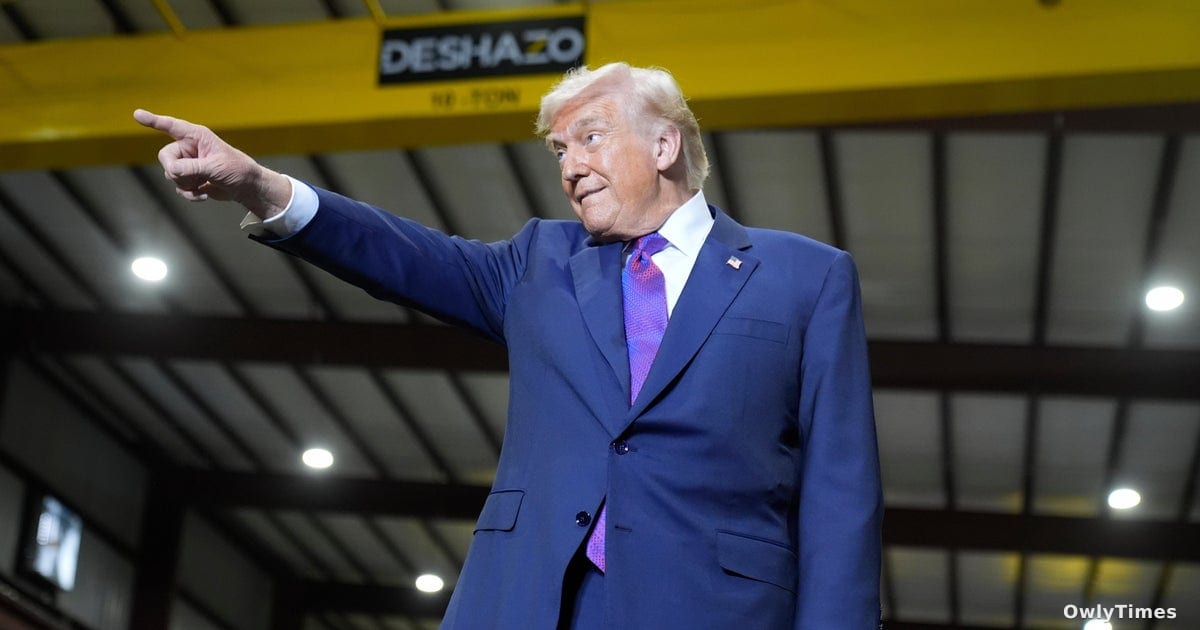
Donald Trump’s visit to Rome, Georgia on February 19th wasn’t a simple campaign stop; it was a strategic attempt to redefine the narrative around the economy ahead of the March 10th special election for the 14th Congressional District. The core calculation is clear: if the President can convincingly declare the “affordability crisis” over, he simultaneously energizes Republican voters and neutralizes a potent line of attack against his party. However, the reception in Floyd County reveals a significant disconnect between the White House’s messaging and the lived economic realities of voters, a tension that Democrats are actively exploiting. This isn’t merely a matter of differing opinions; it’s a clash between a top-down assertion of economic recovery and a bottom-up experience of persistent price increases.
Drawn from CBS News.
The visit, centered around appearances at a local restaurant and Coosa Steel Corporation, saw Trump directly attribute past affordability issues to Democrats and claim his administration “solved” them. This echoes a familiar tactic – framing economic challenges as the result of political opponents, a strategy employed throughout his first term. But the timing is crucial. The special election, triggered by Marjorie Taylor Greene’s departure, presents an opportunity for Democrats to capitalize on economic anxieties in a traditionally Republican district. Vincent Mendes, chair of the Floyd County Democratic Party, correctly identifies the shift in focus: voters are “tired of being ignored” and are prioritizing their financial well-being over political spectacle. This represents a potential realignment, where economic hardship trumps partisan loyalty.
The story of Sunny Knauss and her bakery, Sunflower Bakery, encapsulates this disconnect. After seven years in business, Knauss was forced to close her doors, not due to lack of demand, but because escalating supply costs made profitability impossible. A doubling of wholesale prices for essential ingredients – including a 100% increase in the cost of eggs – forced her to raise prices to unsustainable levels. A quiche that once sold for $27.50 jumped to $42 within a year. This isn’t an isolated case; it’s symptomatic of broader inflationary pressures impacting small businesses and consumers alike. The fact that even locally sourced eggs experienced a 100% price hike underscores the pervasive nature of these increases, extending beyond imported goods. This mirrors the experience of many small businesses across the country, who are grappling with similar cost pressures and struggling to maintain margins.
The White House’s attempt to highlight economic gains through Coosa Steel is equally revealing. While the company’s owner credited Trump’s tariffs with benefiting his business, new research from a major bank indicates that tariffs paid by midsize U.S. companies have tripled in the past year. These costs are often passed on to consumers through higher prices, reduced hiring, or decreased profits – effectively negating any perceived benefits. This illustrates a fundamental contradiction: policies designed to protect domestic industries can simultaneously contribute to inflationary pressures, creating a zero-sum game for consumers and businesses. The situation is reminiscent of the Smoot-Hawley Tariff Act of 1930, which exacerbated the Great Depression by triggering retaliatory tariffs and stifling international trade. While the scale is different, the underlying principle – protectionism leading to unintended economic consequences – remains relevant.
Beyond the economic messaging, Trump’s continued focus on the 2020 election – repeating unsubstantiated claims of widespread fraud and referencing the recent seizure of election materials from Fulton County – serves a dual purpose. It reinforces his base’s loyalty and distracts from present-day concerns. However, even within the Georgia GOP, cracks are beginning to show. Former Tennessee football coach Derek Dooley’s admission that “Trump lost Georgia” highlights lingering tensions between the former President and some Republican leaders. This internal division, coupled with the Georgia State Election Board’s ongoing deliberations regarding Fulton County elections, demonstrates the fragility of the party’s unity. The fact that the Board has a Trump-aligned majority, yet is still facing internal debate, underscores the depth of the disagreement.
The political outcome of the 14th Congressional District race may not hinge solely on economic anxieties or lingering doubts about the 2020 election. But the confluence of these factors creates a volatile environment. Trump’s campaign alongside his preferred candidate, district attorney Clay Fuller, is a clear attempt to consolidate the Republican base. However, the question to watch isn’t whether Trump can rally his supporters, but whether he can convince voters who are actively feeling the pinch of inflation that his policies are genuinely addressing their concerns. The next political chess move will be to observe how Fuller addresses the affordability crisis on the campaign trail – will he echo the President’s optimistic pronouncements, or acknowledge the economic hardship experienced by voters in northwest Georgia? The answer will likely determine the fate of the 14th District and offer a crucial insight into the broader political landscape heading into 2026.