
The chipped Formica of the diner booth felt cool under my elbows as I overheard snippets of conversation – talk of property taxes, school board meetings, and, inevitably, the future of Pabst Farms. Oconomowoc, Wisconsin, isn’t a town that usually makes national headlines, but a quiet shift is underway, one that speaks to a larger American story about the evolving definition of “community” and what we expect from the places we call home. It’s not about a single new business, but about a deliberate reshaping of space, and the questions that raises about who gets to define “entertainment” and “development” in a rapidly changing landscape.
A Zoning Flip and the Promise of ‘Entertainment’
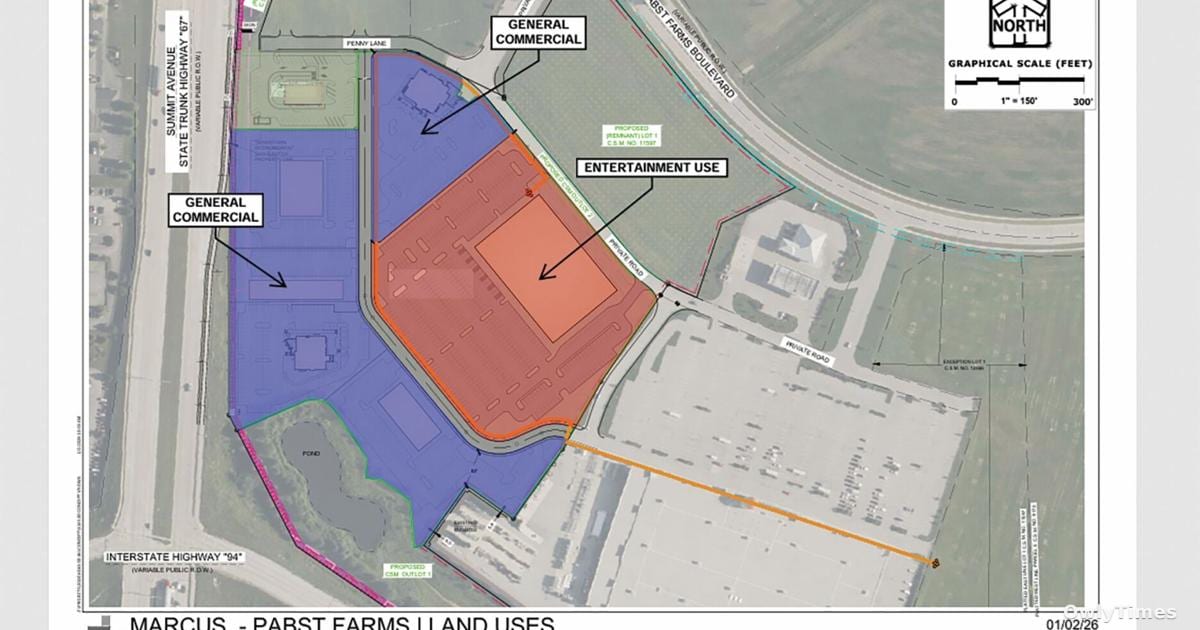
For months, the Marcus Corporation’s 16.5-acre parcel within Pabst Farms Town Centre has been a topic of local discussion. Initial plans, approved in 2024, were vague, a placeholder for potential growth. But a recent adjustment – flipping the layout to prioritize an “entertainment district” facing Pabst Farms Boulevard, with commercial lots wrapping around it – signals a more focused ambition. Jason Gallo, Oconomowoc City Planner, calls it “exciting,” and the enthusiasm is understandable. Oconomowoc, like many Midwestern towns, is actively seeking ways to attract visitors and bolster its local economy. But the devil, as always, is in the details. What is “entertainment” in 2024? Is it a multiplex cinema, a live music venue, a family fun center? Or is it simply a buzzword used to justify commercial development?
Reporting from gmtoday.com informs this analysis.
The shift in zoning isn’t just about aesthetics; it’s about attracting investment. Eric Olson of Marcus Corporation explicitly stated the goal is to “make it easier to draw in companies.” This is a common tactic – create a desirable zoning designation, and the businesses will follow. But it also raises the question of control. Marcus Corporation is keeping its cards close to its chest, remaining “open to all options” regarding who actually develops the entertainment portion of the property. They could build it themselves, or lease the land to a third party. This ambiguity is unsettling for residents who want a say in what their community becomes. The upcoming Plan Commission meeting on Wednesday, and the public hearing on March 17th, are crucial opportunities for that input.
Beyond the Headlines: The Shifting Landscape of Midwestern Towns
Oconomowoc’s situation isn’t unique. Across the Midwest, towns are grappling with similar pressures: population shifts, the decline of traditional retail, and the need to reinvent themselves in the 21st century. The promise of “entertainment” often serves as a lure, a way to attract younger residents and boost tourism. But this pursuit can come at a cost. Increased traffic, strain on local infrastructure, and the homogenization of the town’s character are all potential downsides. The fact that this development is happening alongside Phase 5 of the Arrowood Development – adding 36 new lots – underscores the scale of the change. The Common Council’s discussion of a Developer’s Agreement for Arrowood, involving public infrastructure investments, highlights the financial commitment the city is making to accommodate this growth.
The proposed 165-foot cell tower at 1011 Blue Ribbon Circle North, also on the Common Council’s agenda, is a stark reminder that “progress” isn’t always visually appealing. While necessary for modern connectivity, these structures often face community opposition. Even the seemingly benign discussion of trail connections – linking Oconomowoc to Waukesha County’s Lake Country Trail – reveals a broader effort to enhance the town’s appeal to outdoor enthusiasts, further shaping its identity. These aren’t isolated decisions; they’re interconnected pieces of a larger puzzle.
The Cell Tower and the Trail: A Tale of Two Priorities
The simultaneous consideration of a massive cell tower and a scenic trail connection is a telling juxtaposition. It speaks to a tension between the practical demands of modern life and the desire for a more idyllic, nature-focused community. The city is attempting to balance these competing priorities, but it’s a delicate act. The need for improved cell service is undeniable, but the visual impact of a 165-foot tower is significant. Similarly, the trail connections are a valuable amenity, but they require navigating easements and agreements with entities like We Energies. These seemingly minor details reveal the complexities of urban planning and the challenges of accommodating growth while preserving quality of life. The $6-for-6-months digital subscription offer from The Freeman is a clear indication of the need for local journalism to cover these developments and keep residents informed.
This moment in Oconomowoc matters because it’s a microcosm of a national trend. The question isn’t simply whether Pabst Farms will be developed, but how. Will the entertainment district be a vibrant hub that enhances the community, or a generic collection of chain stores and restaurants? Will the city prioritize long-term sustainability and resident input, or simply chase short-term economic gains? As Oconomowoc moves forward, residents should be asking not just what’s being built, but for whom it’s being built, and what kind of community they want to create for future generations. Will the city prioritize genuine community engagement, or will the future of Pabst Farms be decided behind closed doors?