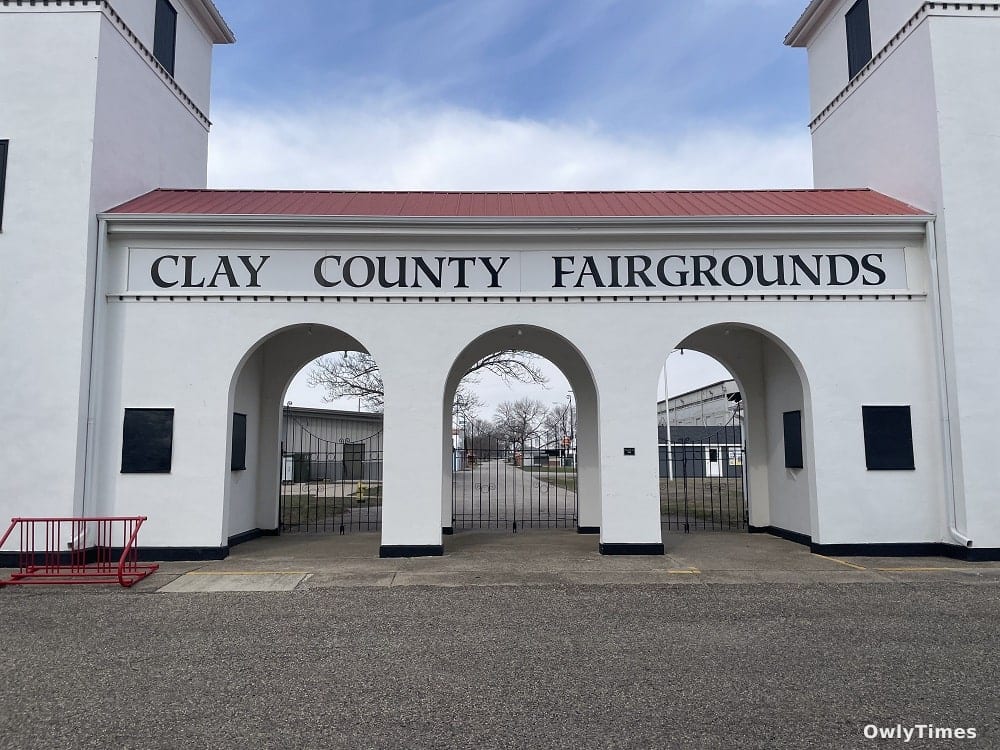

The smell of diesel and crushed metal hangs thick in the Iowa air, even before the first truck rumbles to life. It’s a scent familiar to anyone who’s spent a September weekend at the Clay County Fair, but this year, the roar of engines feels…different. On April 7th, fair organizers announced the grandstand lineup for the second weekend – All-Star Monster Trucks, an Outlaw Truck and Tractor Pull, and the chaotic spectacle of Figure 8 Races – and it’s a deliberate doubling down on a specific kind of Americana, a brand of rural entertainment that’s increasingly under the microscope. It’s not just about horsepower; it’s about a cultural identity being loudly, and perhaps defensively, proclaimed.
The Rise of “Rough & Tumble” Entertainment
The choice to feature these events isn’t happening in a vacuum. While coastal cities debate the merits of immersive art installations and indie music festivals, a significant portion of the country is finding its cultural center in events like monster truck rallies. Attendance at similar events nationwide has seen a steady climb, with a reported 14% increase in ticket sales for tractor pulls and monster truck shows across the Midwest in 2025, according to data from the International Monster Truck Association. This isn’t a niche hobby anymore; it’s a substantial market, and the Clay County Fair, like many others, is adapting to meet that demand. This year’s ticket sales launch at 10 a.m. on April 10th will be a key indicator of just how strong that demand is in Northwest Iowa.
Source material: kiwaradio.com.
Beyond the Mud: A Response to Shifting Values
But to see this simply as a business decision would be a mistake. There’s a current running beneath the surface of these events, a sense of reclaiming space and celebrating a lifestyle often overlooked or even ridiculed by mainstream media. The popularity of these “rough and tumble” forms of entertainment coincides with a growing sense of cultural alienation felt by many in rural communities. The anxieties around economic changes, political polarization, and the perceived erosion of traditional values are all subtly reflected in the appeal of events that emphasize strength, skill, and a distinctly non-urban aesthetic. The spectacle isn’t just about watching trucks crush cars; it’s about witnessing a display of power and resilience.
The Fair as a Microcosm of a Larger Divide
The Clay County Fair, historically a showcase for agricultural innovation and community pride, is now also a battleground for cultural narratives. While the fair still maintains its agricultural roots – livestock competitions, 4-H exhibits – the grandstand entertainment is increasingly geared towards a demographic that feels increasingly disconnected from those roots, yet still deeply connected to the land and the values it represents. This isn’t necessarily a contradiction; it’s a reflection of the complex and often contradictory realities of rural life in the 21st century. The fair is attempting to be all things to all people, a balancing act that will become increasingly difficult as cultural divides deepen.
What Happens When the Dust Settles?
The announcement of the grandstand lineup comes on the same day as news that Anthony Minderhoud has been hired as the new principal of Hull Christian School. While seemingly unrelated, both announcements speak to a desire for stability and a reaffirmation of core values within these Iowa communities. The question now is whether the Clay County Fair can successfully navigate this cultural landscape. Will it continue to attract a diverse audience, or will it become increasingly identified with a specific segment of the population? More importantly, will the fair’s organizers recognize the deeper currents at play, and use the event as a platform for bridging divides rather than reinforcing them? The success of September’s events won’t just be measured in ticket sales, but in whether they contribute to a sense of shared community or further exacerbate the cultural fractures that are reshaping the American heartland.