
The Unexpected Curriculum of a Blizzard: Healthcare Co-ops and the Duty to Show Up
The United States Postal Service’s unofficial motto – “neither snow nor rain…” – speaks to a deeply ingrained societal expectation of essential services continuing regardless of circumstance. But what constitutes “essential” is often debated, and rarely is it explicitly taught. This week’s blizzard across the Eastern Seaboard offered a stark, real-time lesson in that definition for a cohort of Northeastern University students participating in healthcare co-ops, revealing a dimension of professional responsibility that extends beyond clinical skills and textbook knowledge. While headlines focused on travel disruptions and record snowfall – upwards of two feet in some areas – the experience underscores a critical, often unacknowledged, aspect of healthcare training: the unwavering commitment to patient care, even when personal comfort and convenience are compromised.
Drawn from news.northeastern.edu.
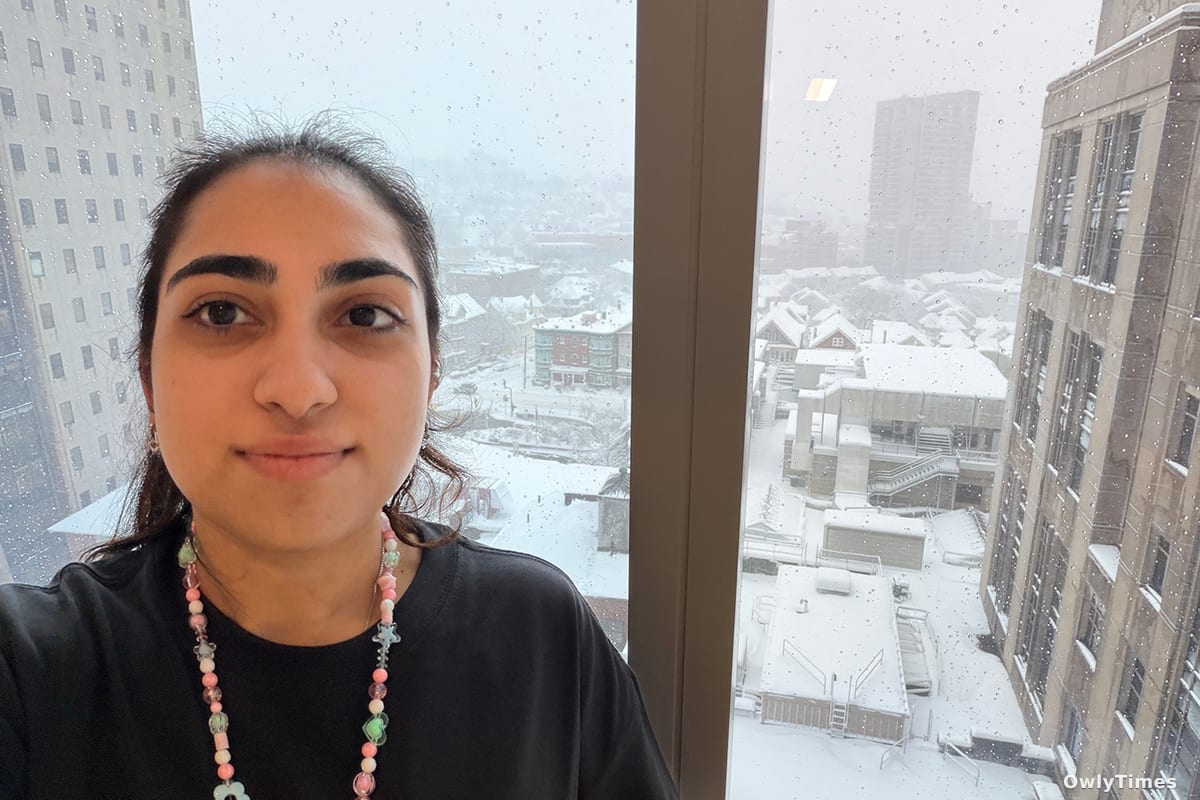
The narrative isn’t simply about students braving the weather; it’s about the implicit contract between healthcare providers and those they serve. Anya Tandon, a fourth-year behavioral neuroscience and pre-med student working as a clinical assistant at Boston Children’s Hospital, articulated this succinctly: “We have to be able to show up so that we can take care of others and support people when they are at their lowest.” This isn’t a sentiment typically emphasized in pre-clinical coursework, yet it emerged as a central theme for Tandon and her peers. Her concern about the Boston Children’s shuttle schedule wasn’t about her own commute, but about maintaining access to the hospital and, by extension, to the patients who relied on its services. The fact that some nurses even slept at the hospital demonstrates the level of dedication required, and the proactive measures taken to ensure continuity of care.
This experiential learning, a cornerstone of Northeastern’s co-op program, is proving to be more than just a resume builder. Moira Mannix Votel, director of cooperative education at Northeastern’s Bouvé College of Health Sciences, emphasized that these students are “integral members of healthcare teams,” providing crucial support even during extreme events. This isn’t about filling staffing gaps, though that is a practical outcome; it’s about integrating students into the very fabric of healthcare delivery, exposing them to the realities of a system that operates 24/7, 365 days a year. The co-op model, with its emphasis on full-time immersion, allows students to witness and participate in this commitment firsthand, a level of understanding unattainable through traditional classroom settings.
However, it’s crucial to avoid romanticizing the situation. While Tandon’s and Angel Le’s dedication – Le, a patient care technician at Emerson Hospital, worked an extended shift and even stayed overnight to avoid travel – is commendable, it also highlights potential vulnerabilities. Le’s initial nervousness about working during the storm is a valid response, and her preparedness with extra scrubs and a willingness to “pitch in where needed” speaks to a proactive, adaptable mindset. But the fact that she felt compelled to work an extra eight hours after her shift, and then remain on duty, raises questions about staffing levels and the potential for overburdening healthcare workers, even those in training. The reliance on students to cover shifts due to inclement weather shouldn’t be normalized as a sustainable solution.
Limitations to consider include the self-selection bias inherent in this situation. The students who did make it to their co-ops likely possess a pre-existing strong sense of responsibility and commitment. We don’t know the experiences of those who were unable to travel, or the reasons why. Furthermore, the sample size is limited to students at a single university in a specific geographic location. The challenges faced by healthcare workers in rural areas, or those with limited transportation options, may be significantly different. It’s also important to acknowledge the potential for institutional pressure – implicit or explicit – to encourage attendance, even under hazardous conditions.
Looking ahead, research should focus on the long-term impact of these experiences on students’ career trajectories and their understanding of professional ethics. Will this early exposure to the demands of healthcare foster greater resilience and commitment, or contribute to burnout? More broadly, healthcare institutions need to proactively assess their emergency preparedness plans, not just in terms of physical infrastructure, but also in terms of staffing and support for employees – including co-op students – who are expected to maintain essential services during extreme weather events. The question isn’t simply whether healthcare workers can show up, but whether the system is designed to support them when they do.