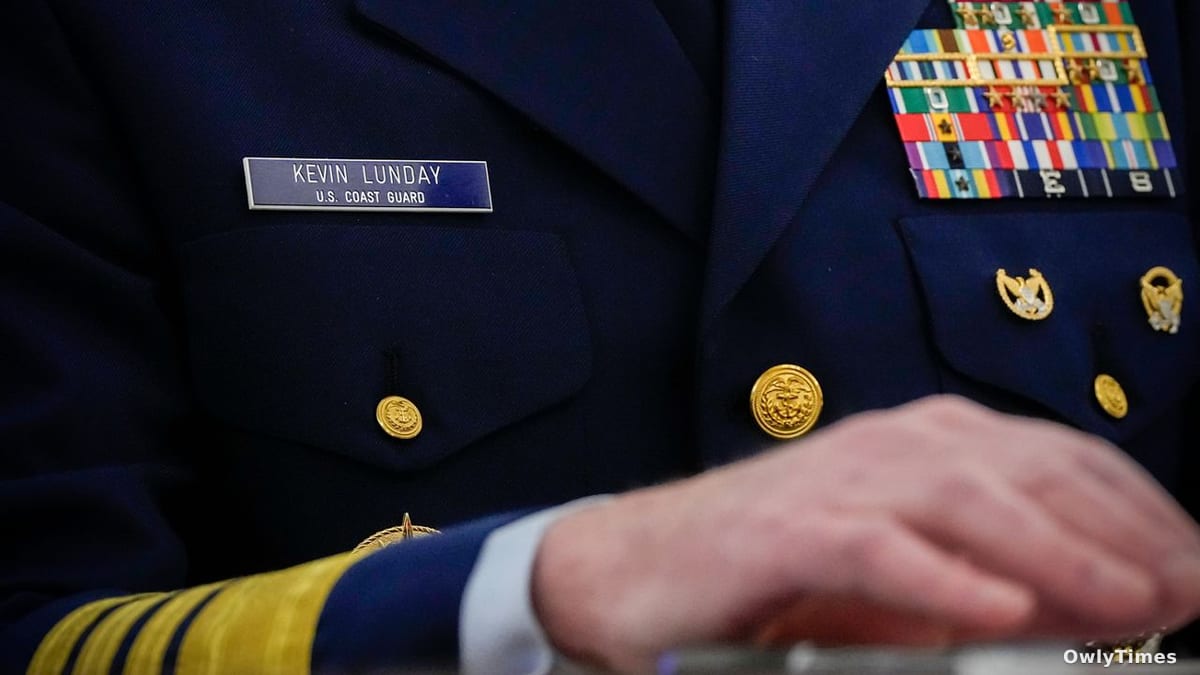

The recent reinstatement of 56 members of the U.S. Coast Guard, discharged for refusing the COVID-19 vaccine, isn’t simply a reversal of policy – it’s a stark illustration of how deeply politicized public health measures have become, and the lasting consequences of those decisions even after the immediate crisis has subsided. While headlines focus on “righting wrongs” as Homeland Security Secretary Kristi Noem stated, the situation reveals a complex interplay between executive authority, evolving scientific understanding of the virus, and the enduring distrust in public health institutions that continues to shape American life. This isn’t about vaccines per se anymore; it’s about who gets to decide what constitutes acceptable risk, and what recourse individuals have when they disagree with those decisions.
The initial vaccine mandate, implemented in 2021 under then-Defense Secretary Lloyd Austin with the backing of President Joe Biden, was framed as a necessary measure to maintain military readiness and protect service members. The logic was straightforward: a fully vaccinated force would be less susceptible to outbreaks, ensuring operational capacity during a global pandemic. However, the implementation of that policy, and the subsequent disciplinary actions – including the involuntary dismissal of over 8,000 service members across all branches between August 2021 and January 2023 – ignited fierce opposition, particularly from Republicans who viewed the mandate as an overreach of government power. It’s crucial to note that the reinstatement doesn’t negate the initial justification for the mandate; rather, it reflects a shift in political priorities following the change in administration. The policy was already rescinded by Austin in January 2023, setting the stage for President Trump’s directive to reverse its impacts upon his return to office.
This article draws on reporting from Spectrum News.
The current reinstatement, offering full back pay and restoration of rank, is a direct result of President Trump’s order to his secretaries of defense and homeland security. Noem’s characterization of the prior requirements as “unconstitutional, un-American, and a gross violation of personal freedom” underscores the ideological underpinnings of this reversal. However, the timing is also significant. This decision coincides with broader changes to U.S. immunization practices under the current administration, notably the appointment of Robert F. Kennedy Jr. as head of the Health and Human Services Department. Kennedy Jr. has a long and well-documented history of vaccine skepticism, and his recent overhaul of the Centers for Disease Control and Prevention’s advisory committee on vaccines – firing all 17 existing members to appoint his own – signals a fundamental shift in the administration’s approach to vaccine policy. The reinstatement of Coast Guard members isn’t occurring in a vacuum; it’s part of a larger pattern of dismantling policies associated with the previous administration and embracing perspectives that challenge conventional public health wisdom.
It’s important to clarify what the study – or rather, the administrative action – actually found versus what headlines claim. This isn’t a scientific study demonstrating the ineffectiveness or harm of the COVID-19 vaccine. It’s a political decision to undo a previous policy based on a change in leadership and a different set of values. The data regarding vaccine efficacy and safety remain largely unchanged. Furthermore, the reinstatement is limited to those discharged solely for refusing the vaccine; individuals dismissed for other reasons are not included. This specificity is often lost in broader reporting.
Limitations to consider include the ongoing shutdown of the Department of Homeland Security due to disagreements over immigration enforcement. Vice Adm. Thomas Allan, the Coast Guard's vice commandant, has already warned of potential disruptions to pay for 56,000 personnel, raising questions about the logistical challenges of implementing this reinstatement amidst broader budgetary uncertainty. The political climate surrounding the shutdown could further complicate the process and potentially impact morale within the Coast Guard. Additionally, the long-term effects of this reversal on military readiness and public trust in vaccination programs remain to be seen.
Looking ahead, the critical question isn’t whether this reinstatement will happen – it already is – but what precedent it sets for future public health emergencies. Will future administrations feel empowered to overturn scientifically-backed policies based on political considerations? Will this further erode public trust in institutions like the CDC and the Department of Defense? The next steps involve closely monitoring the implementation of the reinstatement, assessing its impact on Coast Guard operations, and observing how the administration’s broader changes to vaccine policy unfold. Specifically, we should watch for any attempts to restrict the CDC’s authority to make independent vaccine recommendations, and whether this reinstatement encourages further legal challenges to future public health mandates. The case of the reinstated Coast Guard members is a bellwether – a sign of potential conflicts to come between public health, individual liberty, and the shifting sands of political power.