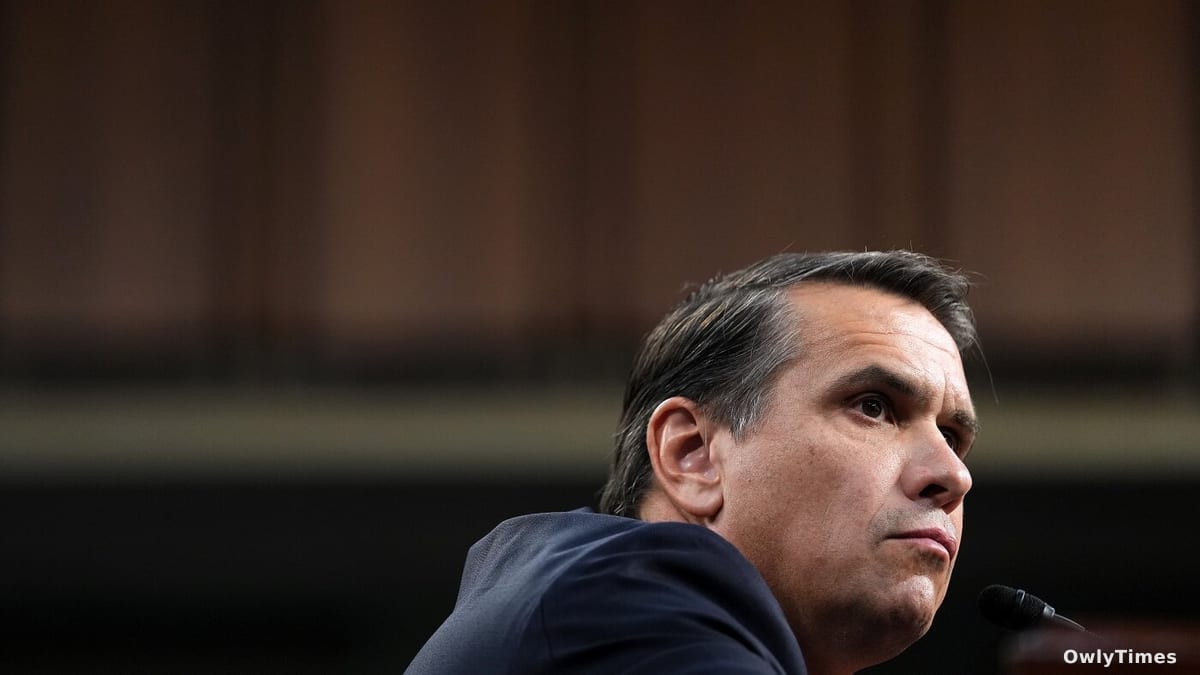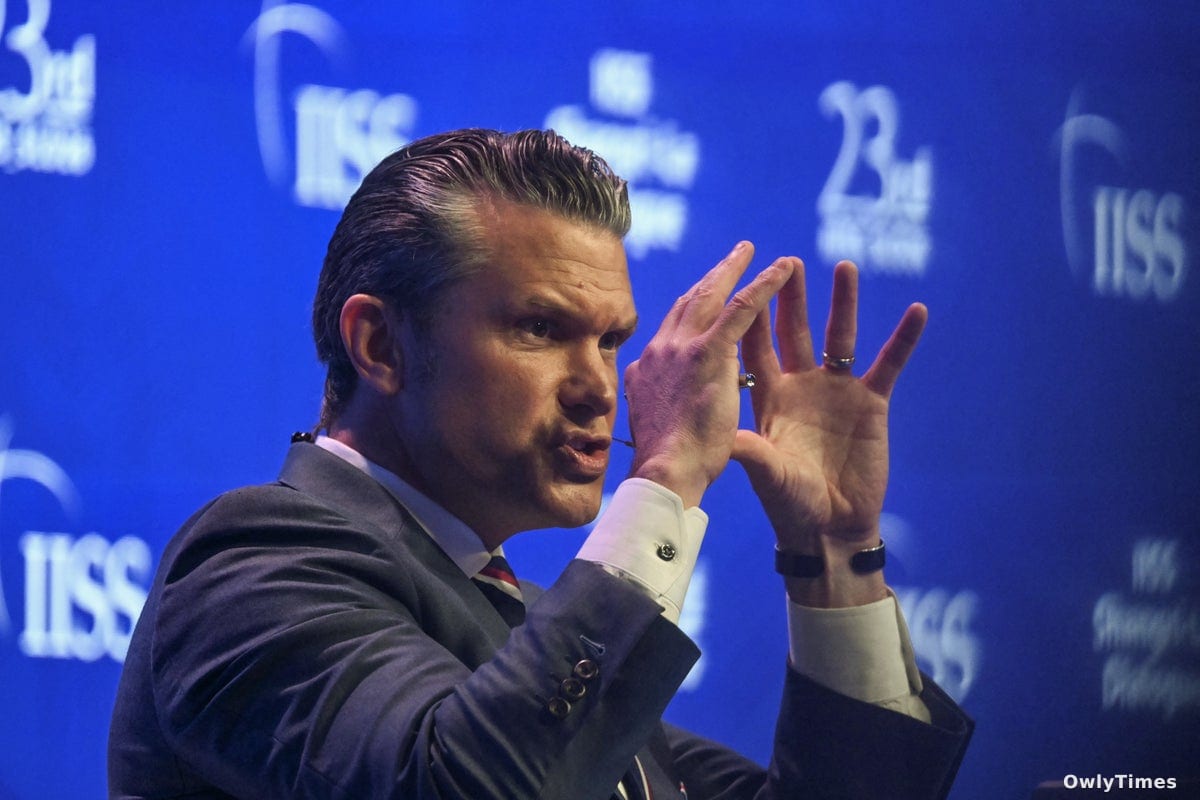

Defense Secretary Pete Hegseth has launched a sweeping initiative to mandate annual testosterone screenings for all U.S. military service members aged 30 and older, a move that aligns the Department of Defense with a broader Trump administration push to normalize hormone replacement therapy. By framing the screening as a "sacred duty" to optimize the "biological foundation" of the warfighter, Hegseth is utilizing a strategy of physiological standardization to reshape the military’s internal culture. This move represents a shift from traditional readiness metrics toward a focus on biological enhancement, positioning the Pentagon—which Hegseth has dubbed the "High-T Department of War"—at the vanguard of a national health policy pivot.
The Calculus of Biological Readiness
The strategic rationale behind this policy rests on the premise that testosterone levels decline naturally with age, potentially impacting the longevity and performance of personnel. According to NBC News, the testing will be integrated into existing annual health assessments, with optional screenings available for those under 30. While The Independent reports that Hegseth insists treatment remains voluntary for those found to be deficient, the Pentagon has notably declined to clarify if there will be repercussions for service members who opt out of recommended therapy. This ambiguity creates a power dynamic where the choice to decline may exist in theory, while the pressure to conform to the "High-T" standard remains pervasive.
Who Benefits and Who Loses
The beneficiaries of this policy appear to be proponents of expanded hormone access within the current administration. NBC News notes that Health and Human Services Secretary Robert F. Kennedy Jr. has been a vocal advocate for looser restrictions on testosterone therapy, having publicly disclosed his own use of the treatment. Conversely, those who lose out include service members who value individual medical privacy or those who view the policy as an unnecessary intrusion into personal health. Furthermore, the policy has left female service members in a state of uncertainty; both The Independent and NBC News confirm that the Defense Department has remained silent on whether similar evaluations for estrogen-based therapy or menopausal care will be implemented.
Historical Precedents and Aesthetic Control
Hegseth’s focus on physical standards is not limited to hormones. His tenure has been defined by a campaign to eliminate "fat troops" and enforce rigid grooming codes, moves that mirror the aesthetic-focused governance noted in the broader Trump administration. As The Guardian points out, Hegseth has frequently berated military leadership for failing to meet his personal standards regarding beards and body composition, leading to friction with commanders who do not prioritize these stylistic mandates. This obsession with physical uniformity evokes historical parallels where political movements utilize the "aestheticization of political life" to signal ideological loyalty, a phenomenon often observed in the branding of the current administration’s inner circle.
The Next Chess Move
The immediate indicator of the program's impact will be the enforcement mechanism for Air Force personnel, who were ordered to submit waist-to-height ratios by the end of the month, according to The Independent. As the Pentagon continues to move toward these standardized health metrics, the next political trigger to watch is the potential regulatory shift by the Food and Drug Administration. With a panel having already signaled support for increased accessibility to hormone therapies in December, the Pentagon’s new mandate may serve as a de facto pilot program for wider federal policy changes, testing the limits of how far the government can go in defining the "biological foundation" of its workforce.