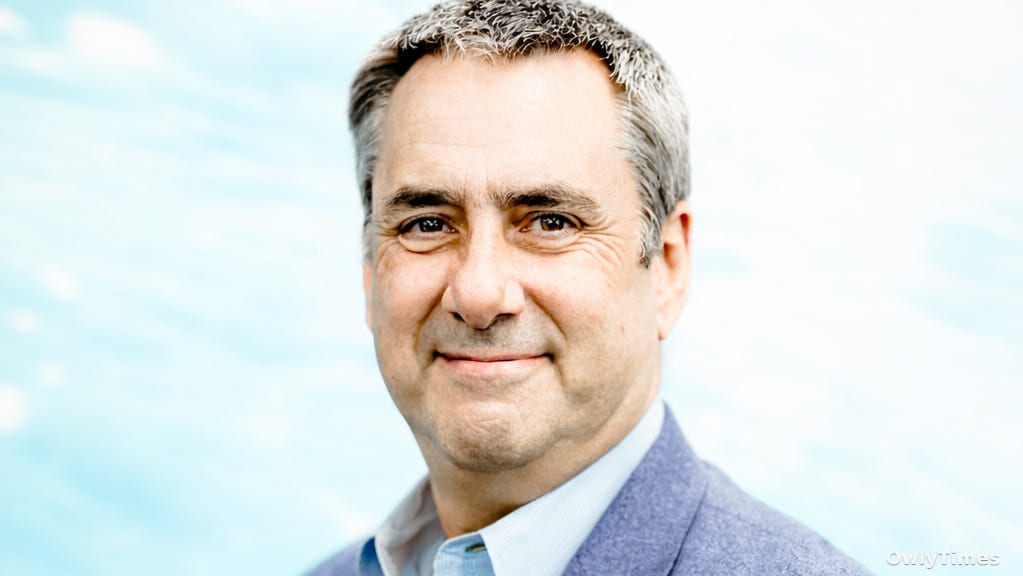

The ambition to build “the No. 1 science center in the country” is a bold claim, particularly in a landscape already populated by established institutions. But the Cox Science Center and Aquarium in West Palm Beach isn’t simply aiming for incremental improvement; it’s undergoing a near-total transformation, and on March 9th, Kurt Allen will assume leadership tasked with realizing that vision. This isn’t merely a change in management, but a strategic inflection point for an organization betting heavily on expansion and a renewed focus on immersive, educational experiences – a bet backed by substantial philanthropic investment. The question isn’t whether the Cox Science Center can grow, but whether a proven expansion leader can successfully navigate the complexities of scaling a beloved community institution into a nationally recognized destination.
The appointment of Allen, formerly CEO and president of the Mississippi Aquarium, wasn’t a surprise to those following the $150 million expansion project. As Eric Stonestrom, chair of the Cox Science Center’s Board of Trustees, explained to the Palm Beach Daily News, Allen’s experience spearheading the $103 million development of the Mississippi Aquarium – which opened in 2020 – was a decisive factor. This isn’t simply about building tanks and exhibits; it’s about managing a complex construction project, securing funding, and ultimately, delivering a visitor experience that justifies the investment. While headlines focus on the sheer scale of the expansion – tripling the facility’s footprint from 35,000 to over 100,000 square feet and increasing aquarium capacity from 100,000 to 160,000 gallons – the underlying challenge is integrating these new spaces into a cohesive and compelling narrative. The success of the Mississippi Aquarium, which saw attendance figures of over 330,000 in its first year, suggests Allen possesses that crucial skillset.
Original reporting: palmbeachdailynews.com.
The financial foundation for this ambitious project is noteworthy. While grants and general donations contribute, the expansion is significantly fueled by substantial gifts from Palm Beach’s wealthiest residents, including multiple million-dollar donations from billionaire developer Ken Griffin, Alina de Almeida, and John Paulson. This reliance on high-net-worth individuals introduces a dynamic often absent in public science funding. While philanthropic generosity is essential, it also raises questions about potential influence on the center’s direction and priorities. The stated goal, as Allen articulated, is to “take it to the next level,” but defining that level – and ensuring it aligns with the community’s needs – will require careful navigation of these relationships. It’s a pattern seen across cultural institutions; the Cox Science Center’s future is inextricably linked to the priorities of its benefactors.
However, it’s crucial to understand what the study of successful science center expansions actually reveals. Simply increasing square footage and tank volume doesn’t guarantee success. Research consistently demonstrates that visitor engagement hinges on the quality of interpretation, the relevance of exhibits to local ecosystems, and the accessibility of scientific concepts. The planned inclusion of extended-reality experiences and larger classrooms suggests the Cox Science Center is attempting to address these factors, but the devil will be in the details. Stonestrom highlighted Allen’s background in hospitality and his understanding of “improving guest experience,” which is a positive indicator, but a polished visitor experience alone isn’t enough. The center also aims to foster a new generation of scientists, and that requires a deliberate focus on sparking curiosity and providing meaningful learning opportunities.
Limitations to consider include the timeline for completion – currently slated for 2027 – and the potential for cost overruns, a common occurrence in large-scale construction projects. The previous president and CEO, Kate Arrizza, departed in May 2025 for another position, leaving a vacancy that Allen now fills. While a smooth transition is anticipated, any disruption in leadership during the final phase of construction could introduce delays or complications. Furthermore, the success of the expansion will be measured not just by attendance numbers, but by its impact on the local community – particularly its ability to engage underserved populations and inspire a broader interest in STEM fields.
The next crucial step will be observing how Allen translates his vision into concrete programming and exhibit design. Will the expanded Cox Science Center prioritize cutting-edge research and conservation efforts, or will it lean more heavily into entertainment value? More importantly, will the center actively seek feedback from the community to ensure its offerings remain relevant and accessible to all? As construction progresses, watch for announcements regarding educational partnerships and outreach initiatives – these will be the true indicators of whether the Cox Science Center is on track to become not just larger, but genuinely better.