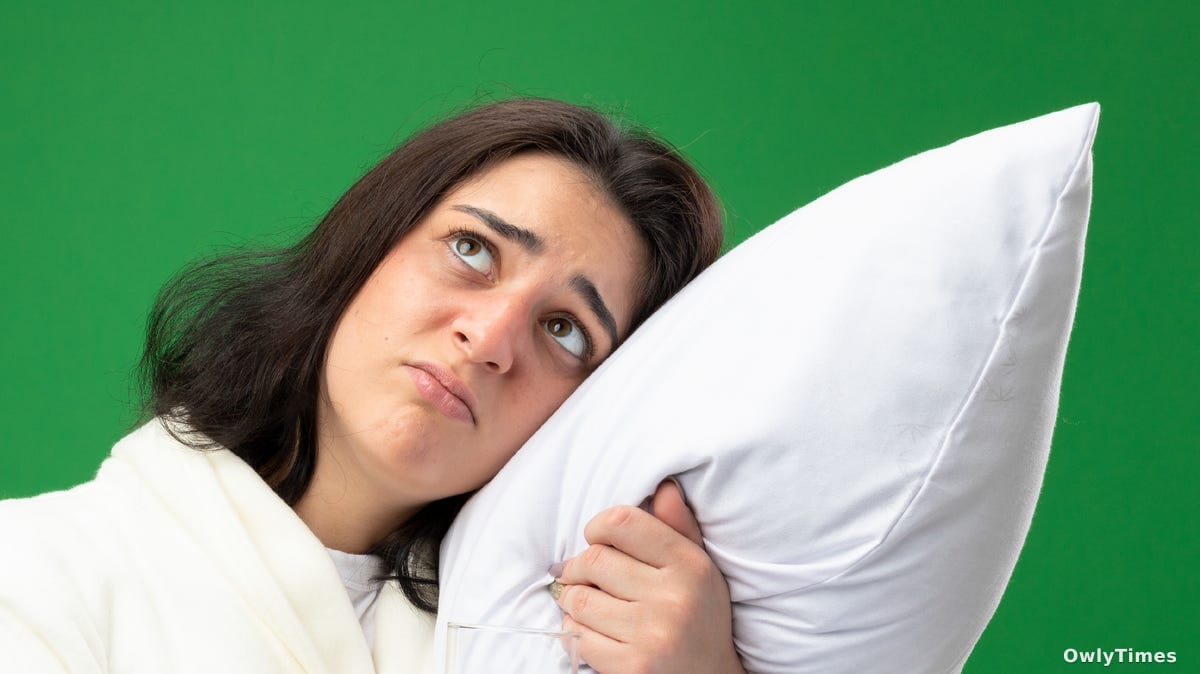

The annual ritual of “springing forward” arrives this Sunday, March 8th, and while many view the lost hour of sleep as a minor inconvenience, a growing body of research suggests the disruption to our internal clocks carries surprisingly broad consequences. It’s not simply about feeling tired on Monday; the shift to daylight saving time is increasingly understood as a public health issue, with measurable impacts ranging from traffic accidents to heart health, and even a less-discussed uptick in spring-onset depression. The focus isn’t on the hour lost, but on the misalignment it creates between our biology and our schedules – a mismatch we’ve been imposing on ourselves for over a century.
The University of Colorado Boulder recently quantified one immediate effect: a 6% increase in car accidents following the springtime shift. This isn’t a correlation easily dismissed. Our circadian rhythms, the roughly 24-hour cycles governing sleep, hormone release, and other vital functions, are exquisitely sensitive to light. The sudden shift to lighter evenings and darker mornings throws this system off balance. Dr. Charles Czeisler, professor at Harvard Medical School's Division of Sleep Medicine, explains that “that one-hour change may not seem like much, but it can wreak havoc on people's mental and physical well-being in the short term.” Headlines often frame this as simply “feeling groggy,” but the underlying mechanism is far more complex. The disruption impacts melatonin production – the hormone signaling sleep – and serotonin levels, a neurotransmitter crucial for mood regulation.
What’s often overlooked in the public conversation is that the impact isn’t uniform. While most people experience some degree of disruption, individuals already vulnerable to mood disorders are particularly susceptible. The National Institute of Mental Health recognizes Seasonal Affective Disorder (SAD) as a legitimate form of depression tied to seasonal changes, and surprisingly, about 10% of those affected experience symptoms during the spring and summer transition. This “summer SAD” is often linked to disruptions in sleep patterns and altered serotonin levels, mirroring the broader effects of daylight saving time. It challenges the common assumption that SAD is solely a winter phenomenon, highlighting the importance of light exposure and circadian alignment year-round.
Reporting from USA Today informs this analysis.
The American Academy of Sleep Medicine has documented a quantifiable sleep debt incurred after the time change. Their research indicates people sleep, on average, 40 minutes less on the Monday following the shift compared to other nights of the year. This isn’t merely a matter of individual willpower; the biological drive to sleep is actively suppressed by the altered light-dark cycle. This sleep deprivation, even in relatively small doses, can exacerbate existing anxiety and depression, and contribute to the increased risk of cardiovascular events observed in some studies. It’s a subtle but significant stressor placed on the body, and the cumulative effect over years of biannual shifts is a growing concern for researchers.
However, it’s crucial to acknowledge the limitations to consider when interpreting these findings. Much of the research relies on observational data, demonstrating correlation but not necessarily causation. While a 6% increase in accidents is statistically significant, it doesn’t prove daylight saving time caused those accidents – other factors could be at play. Furthermore, the severity of the impact varies widely depending on individual chronotype (whether someone is naturally a “morning person” or “night owl”), geographic location, and pre-existing health conditions. The studies also often struggle to isolate the effects of daylight saving time from other seasonal changes occurring simultaneously, such as shifts in weather and social activity.
Looking ahead, the focus is shifting towards understanding the long-term consequences of chronic circadian disruption. Researchers are investigating the potential link between long-term exposure to daylight saving time and increased risk of chronic diseases like obesity, diabetes, and even certain types of cancer. More sophisticated studies are needed, including randomized controlled trials – though ethically challenging to implement – to definitively establish causality. But perhaps the most pressing question isn’t just what the effects are, but whether we can mitigate them. Will future research support a move towards permanent standard time, a solution gaining traction among sleep scientists, or will we continue to prioritize the perceived benefits of daylight saving time despite the mounting evidence of its cost to public health? The answer will likely depend on a broader societal conversation about the value we place on aligning our lives with our biology.