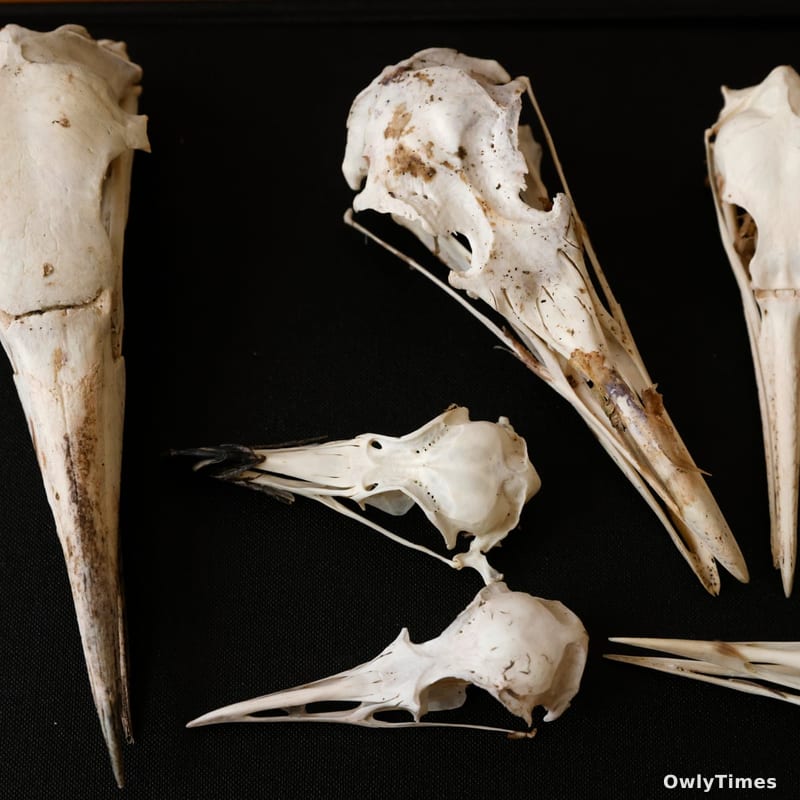

Can we map the cognitive architecture of an extinct apex predator by studying the behavior of a common sparrow? This is the central question driving a new line of inquiry into the mind of the Tyrannosaurus rex. While our cultural obsession with T. rex often frames the dinosaur as a mindless, brawny engine of destruction, a growing body of research suggests that the keys to understanding its inner life may be hidden in the biology of its modern descendants: birds.
Bridging the Neural Gap Between Fossils and Flight
The scientific challenge lies in the impossibility of behavioral testing on creatures that vanished millions of years ago. We cannot observe a T. rex solve a logic puzzle or interact with its peers. However, Prof Steve Brusatte, a palaeontologist at the University of Edinburgh, argues that we can infer potential capabilities by reverse-engineering the fossil record. “We can’t put T rex through those tests,” Brusatte notes. “But if there are some distinctive features of the brain that maybe tell you with 95% confidence that the animal with that kind of brain is capable of that kind of behaviour today, then we can at least make predictions about these fossils.”
The methodology here relies on identifying biological markers in modern avian species—such as the ability to use tools, plan for future needs, or demonstrate empathy—and searching for structural correlates in the fossilized skulls of theropods. It is an exercise in biological probability, moving from the observable behavior of living animals to the potential cognitive landscapes of their ancestors.
What the Headlines Miss: The Evolutionary Continuum
Popular media often simplifies the bird-dinosaur connection into a single, sudden transformation. In reality, the transition was a protracted, multi-million-year process. As Brusatte details in his new book, The Story of Birds, the evolution of flight was not a direct teleological march toward the skies. Features we associate with modern flight, such as feathers and wings, initially evolved for entirely different purposes. Feathers likely provided insulation to keep dinosaurs warm, while wings originated as display structures—essentially biological billboards used for communication or attraction.
This distinction is critical. When headlines proclaim that "dinosaurs became birds," they often obscure the nuance that many early birds retained ancestral traits like teeth, claws, and long tails. The extinction event 66 million years ago, caused by a colossal asteroid, acted as a brutal filter. While the "terrible lizards" were decimated, a subset of avian ancestors survived, largely due to traits like rapid growth rates and the ability to consume seeds when forests collapsed during the subsequent "impact winter."
Limitations to Consider
While the prospect of reconstructing the mind of a T. rex is compelling, the approach remains speculative. We are essentially attempting to project complex social and cognitive behaviors onto structures—skulls and endocasts—that provide only a skeletal outline of neural capacity. Furthermore, as Brusatte points out, the narrative of "survival" is not one of conscious choice but of evolutionary contingency. The birds that survived the fifth mass extinction did so because they were already pre-adapted to a world without trees or fruit, not because they possessed a specific "intelligence" that saved them.
The Future of Avian Ancestry Research
The next phase of this research involves an international team of scientists synthesizing fossil data with comparative studies of modern behavior. By examining genetic markers—such as the way a six-day-old quail embryo develops a pelvis strikingly similar to that of a theropod—researchers are building a more comprehensive map of how deep-time traits persist in modern species.
The next reading of evolutionary development will likely emerge from these genetic experiments, where scientists continue to manipulate avian DNA to reveal latent, ancestral characteristics. These studies do more than just satisfy academic curiosity; they emphasize that birds are not merely survivors of a prehistoric era but are, in every biological sense, living dinosaurs. Understanding their resilience and adaptability remains one of the most promising avenues for predicting how modern species might navigate the current, human-driven environmental crises.