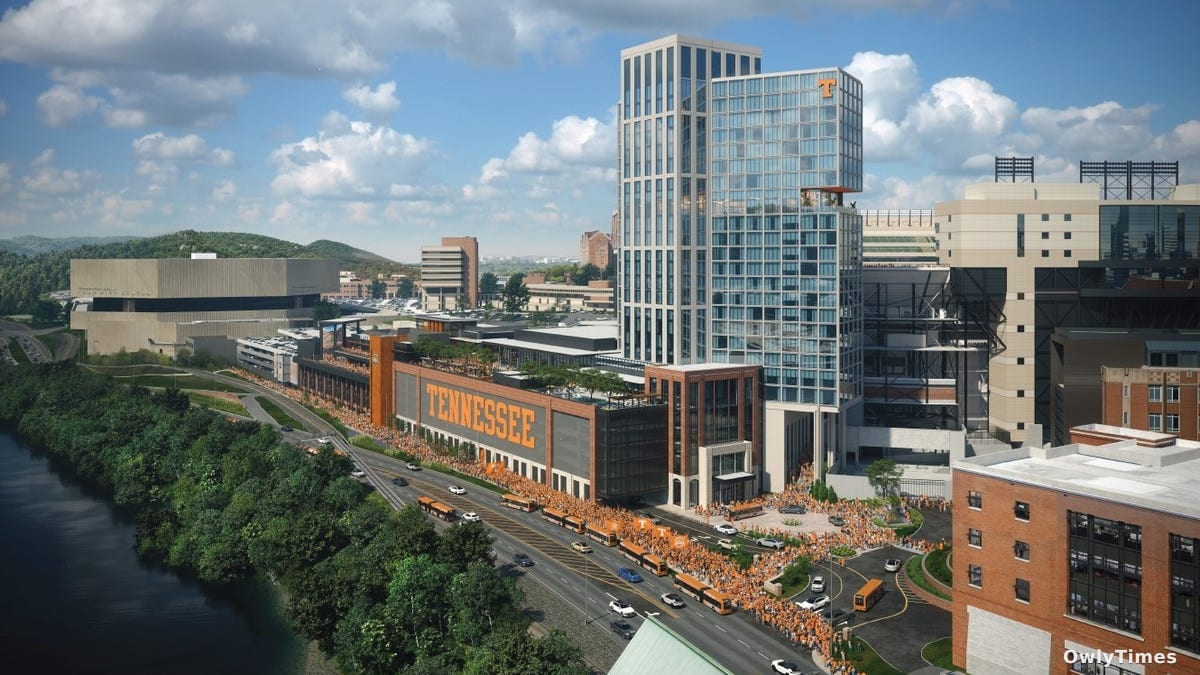

The concrete and steel that currently define the G10 parking garage are more than just a place to leave a car; for generations of Volunteers, that structure has been the epicenter of pre-game rituals, a hallowed ground of asphalt where orange-clad faithful have toasted to victory for decades. But come summer 2026, the wrecking ball is set to swing, signaling a dramatic shift in how the University of Tennessee engages with its own history. This isn't just a construction project; it is a calculated bet that the future of collegiate athletics lies in the high-gloss, high-revenue model of professional sports, and the stakes are set at $280 million.
A New Blueprint for the Campus Experience
The proposed Neyland Entertainment District, which is currently pending final approval from the UT Board of Trustees and various state commissions, represents an aggressive pivot. Athletics director Danny White has steered this vision toward a singular goal: creating a year-round destination that transcends the limited window of a college football Saturday. The project is split into two distinct financial pillars: a $215 million mixed-use condo-hotel and a $65 million entertainment district, both designed to bridge the gap between Neyland Stadium and the Food City Center.
The scale of this ambition is best viewed through its dimensions. The condo-hotel property alone will span 440,000 square feet, packing 180 hotel rooms, 30 hotel-condo units, and 50 luxury condos into a footprint that looms over the stadium. Meanwhile, the entertainment district will dedicate 110,000 square feet to indoor and outdoor experiences, including a 7,000-person total capacity for concerts and events. By integrating a rooftop bar, 10,000 square feet of meeting space, and a resort-style pool, the university is moving away from the traditional, sequestered campus model and toward the "live-work-play" environment perfected by major league franchises.
The Professionalization of the College Game
There is a distinct irony in the team behind this development. The project is being brought to life by a consortium of UT graduates who cut their teeth building the very environments that have defined professional sports in recent years—the same teams that spurred the success of districts surrounding the Atlanta Braves’ Truist Park and the St. Louis Cardinals’ Busch Stadium. When Taylor Gray leads the construction or Daryl Johnson of Johnson Architecture oversees the design, they are importing the DNA of professional sports commerce into a collegiate setting.
This mirrors a broader industry trend where the "amateur" distinction in college athletics is rapidly eroding under the weight of massive private sector investment. While schools like Vanderbilt or Alabama have long utilized campus hotels, the Neyland project aims for a level of integration that feels more like a stadium-adjacent lifestyle brand than a traditional university facility. By placing a skybridge from the hotel directly to the east stadium skybox, the university is effectively turning the game-day experience into a curated, premium product.
Managing the Growing Pains
The friction, however, is inevitable. The demolition of the G10 garage, which currently holds approximately 1,800 spaces, will displace thousands of students and season-ticket holders who view the structure as a premier tailgating hub. While Danny White has promised that the replacement garage will be "bigger and better," the transition period will test the patience of a fanbase that is deeply tethered to its established routines. UT spokesperson Jason Baum has noted that the athletic department is exploring alternative options, but the physical displacement is a stark reminder that modernization rarely comes without a temporary cost to the existing culture.
Whether this $280 million gamble pays off depends on the project's ability to maintain its momentum through the upcoming bureaucratic hurdles. The next signal of the district’s viability will come on May 4, when the UT Board of Trustees convenes to weigh the proposal. If it receives the green light, the university must then secure clearance from state building commissions to stay on track for an early 2028 opening for the entertainment district and a 2029 completion for the condo-hotel. As the university moves toward this new era, the success of the venture will hinge on whether this luxury-driven landscape can truly capture the spirit of Tennessee football, or if it will simply become a backdrop for a different kind of commerce.