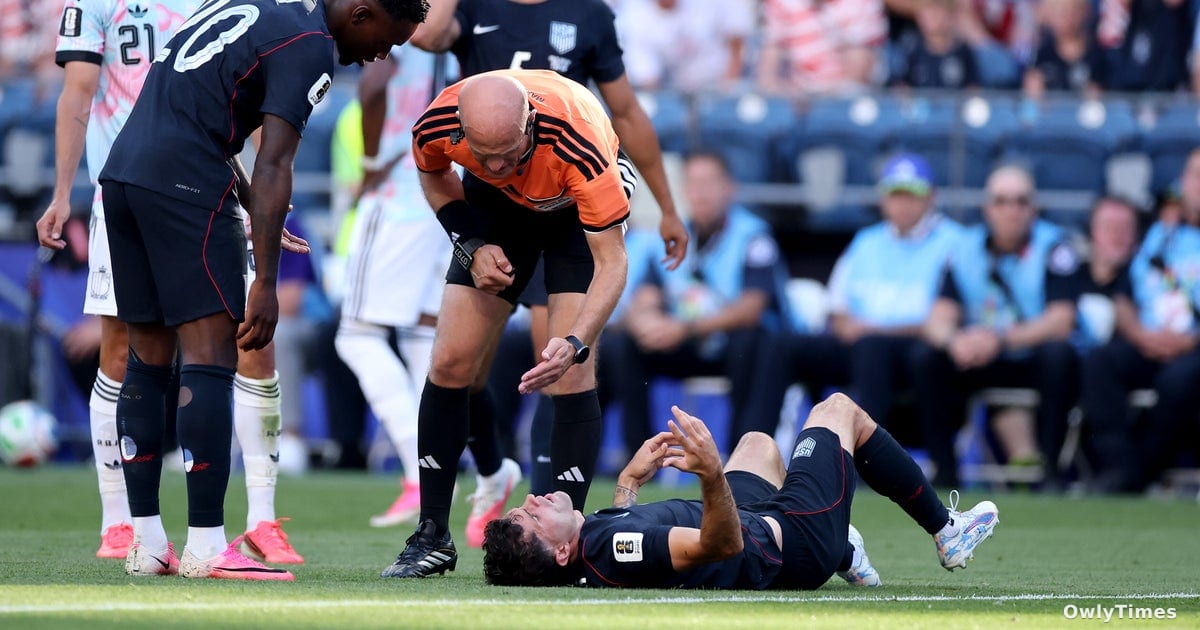

The air in Miami is thick with more than just anticipation this week; it is heavy with the kind of sweltering humidity that threatens to turn the World Cup quarter-final between England and Norway into a grueling test of survival. As the Scandinavian side prepares for the most significant match in its history—having never advanced this far in a men’s tournament—they find themselves facing an adversary as formidable as the English defense: the South Florida heat. According to WIRED, a combination of high temperatures and a plume of Saharan dust is pushing the wet-bulb globe temperature (WBGT) toward 88 degrees Fahrenheit. With the American College of Sports Medicine recommending that intense athletic activity cease when that index climbs above 82 degrees, the match promises to be a slow-motion battle of endurance rather than the high-octane sprint fans might expect.
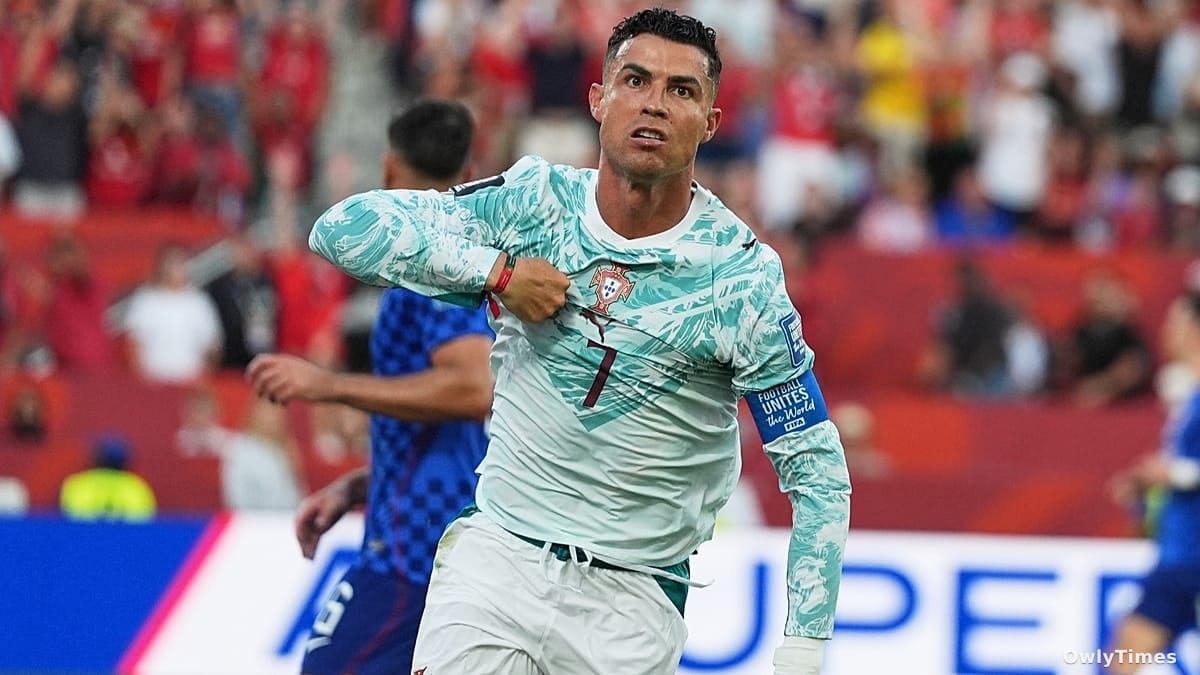
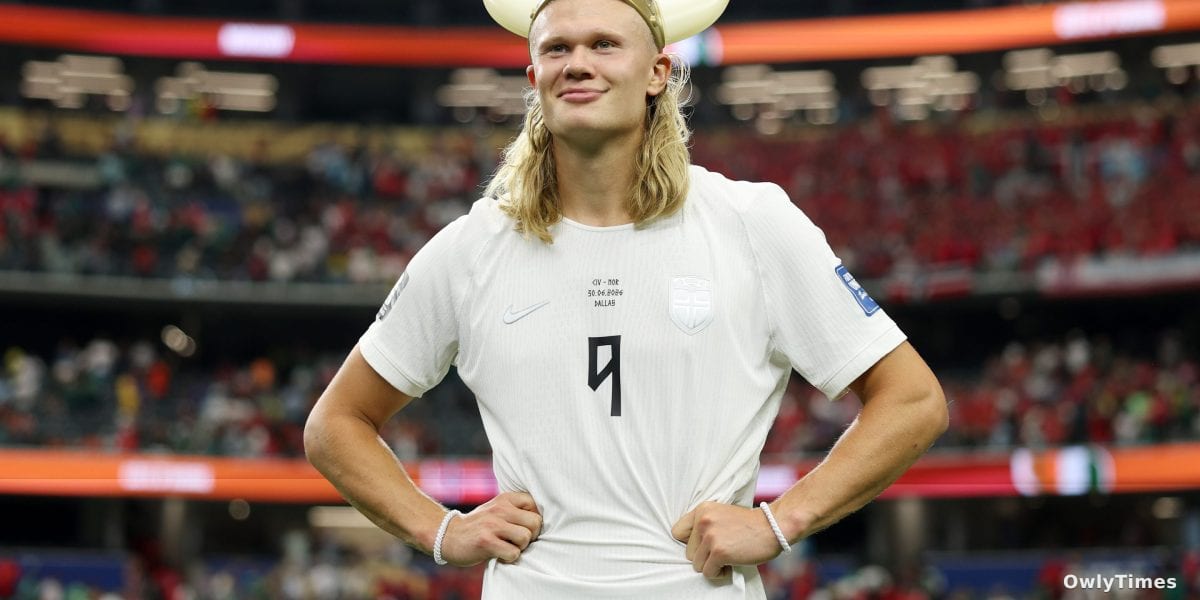
Beyond the headlines of weather warnings, the human drama centers on Erling Haaland, the Norwegian striker whose clinical precision has earned him the moniker "The Terminator." While Fortune reports that the 25-year-old earns an estimated $60 million annually on the pitch, his influence now extends into boardrooms and even Hollywood. Beyond his recent investments in companies like the recovery-tech firm Hyperice and the hair accessory brand Bon Dep, Haaland is set to debut as an animated Viking in the upcoming film Viqueens. This duality—the ruthless, 6’4” athlete on the field and the savvy investor off it—has made him the focal point of global attention, yet the tactical reality of Saturday’s game suggests he is just one piece of a sophisticated puzzle.
Tactical experts warn that England’s primary objective must be to neutralize the service provided to the striker. Writing for The Guardian, Emma Hayes notes that Norway is far from a one-man team, highlighting the creative vision of Martin Ødegaard and the dangerous form of winger Antonio Nusa. Hayes emphasizes that England’s manager, Thomas Tuchel, will likely prioritize controlling the midfield to prevent the "overloads" created by Norway’s fluid, progressive style. Both outlets agree that the match will be a tactical chess game, requiring immense patience as both squads navigate the stifling climate that could force players to limit their sprint distances.
The cultural obsession with this tournament goes deep, tapping into the physiological stakes of fandom itself. As England fans brace for the tension of a quarter-final, the BBC recently monitored the biological "stress response" of supporters, finding that high-stakes matches can spike heart rates and cortisol levels in ways comparable to mild exercise. While watching a game can be an "emotional rollercoaster," the study suggests that for healthy individuals, this "good stress" is a natural, albeit intense, part of the sporting experience. Whether the nerves of the fans or the heat-stressed bodies of the players will break first remains the central question of the weekend.
Ultimately, this match represents a collision of modern sports culture, where players are global brands and matches are played in climates increasingly altered by environmental shifts. The anxiety of the fans and the tactical caution of the coaches underscore how much is at stake, not just for the teams, but for the industry’s ability to manage player health in an era of rising global temperatures. As scientists continue to call for longer hydration breaks and stricter heat-mitigation protocols, the outcome of this quarter-final may serve as a critical signal for how the sport adapts to the unforgiving reality of its host cities.