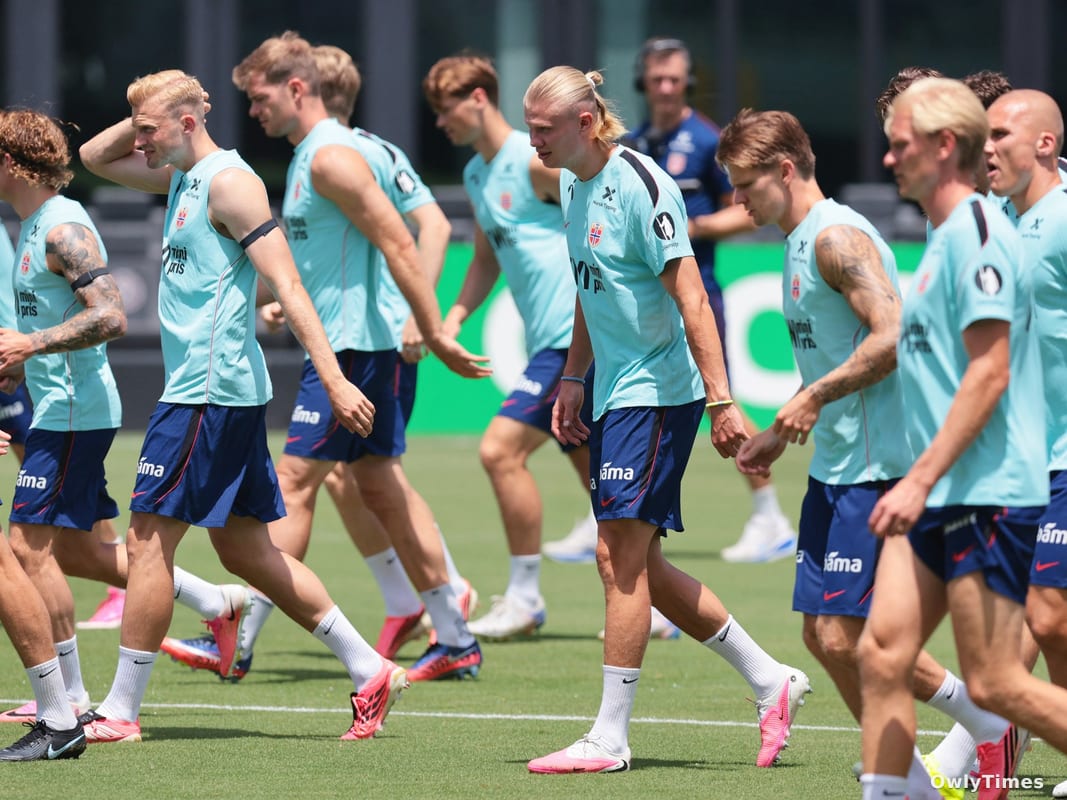

The intersection of elite athletic performance and the physiological demands of tournament travel has once again become a central focus as the quarter-finals of the men’s World Cup approach. With the high-stakes match between Norway and England set for Saturday at Miami Stadium, the narrative has shifted from pure tactical preparation to the logistical challenges of maintaining player well-being under intense scrutiny.
Logistics, Noise, and Performance Optimization
The most pressing concern for the Norwegian squad has been their sudden relocation from The Dalmar Hotel in Fort Lauderdale. According to Al Jazeera, the team spent only one night at the property before opting to move due to excessive construction noise, a decision supported by FIFA, which reportedly agreed to cover a significant portion of the relocation costs. While Yahoo Sports initially focused on the noise complaints, BeIN Sports added that concerns regarding hygiene also played a role in the rapid departure.
The disruption was significant; logistics manager Truls Daehli noted that the entire operation was executed in just two-and-a-half hours. Captain Martin Odegaard framed the move as a necessary measure to "optimise" the team’s preparation, while talisman Erling Haaland emphasized that the squad must be at "100 percent" for what he termed the biggest match in Norwegian history. Despite reports surfacing of illness within the camp, head coach Stale Solbakken has dismissed these claims, according to BeIN Sports.
The Context of England’s Momentum
England enters this quarter-final following a hard-fought 3-2 victory over Mexico in the high-altitude conditions of the Azteca stadium. As The Guardian notes, this win—defined by significant defensive contributions from players like Ezri Konsa—has bolstered the team’s confidence under manager Thomas Tuchel. The emotional resonance of the tournament has even reached the highest levels of British government, with Prime Minister Sir Keir Starmer hinting at the possibility of a bank holiday on July 24 should England go on to win the tournament, as reported by the BBC.
Limitations to Consider
While headlines may suggest that the hotel change reflects a chaotic lack of preparation, it is important to contextualize this as a targeted intervention by the Norwegian support staff. The move was specifically aimed at preventing "cabin fever" after six weeks of competition in the United States, rather than an indicator of structural disarray. Furthermore, while political speculation regarding a potential bank holiday provides a compelling narrative for fans, as the BBC correctly points out, there remain several significant hurdles—namely the quarter-final, semi-final, and final—before such a prospect becomes a reality.
Looking Ahead: Scientific and Sporting Stakes
The immediate focus for the research and support teams remains the physical recovery of the players in the humid Miami climate. As the tournament progresses toward the final on July 19 in New Jersey, the ability of these squads to manage environmental stressors—ranging from altitude in Mexico to construction noise in Florida—will be as critical as their technical prowess on the pitch. The next measurable signal of this preparation will be the team sheets released just prior to the Saturday night kickoff, which will provide the first concrete indication of whether the rapid relocation successfully mitigated the team's physiological fatigue.