
If you think the digital world is immune to the messy, kinetic reality of geopolitics, consider this: the same global tensions that can ground a flight or spike your gas prices are now rewriting the rules of the multi-billion-dollar esports industry. The real story here isn’t just about a tournament moving cities—it’s about how fragile the "borderless" promise of the internet truly is when real-world missiles start flying.
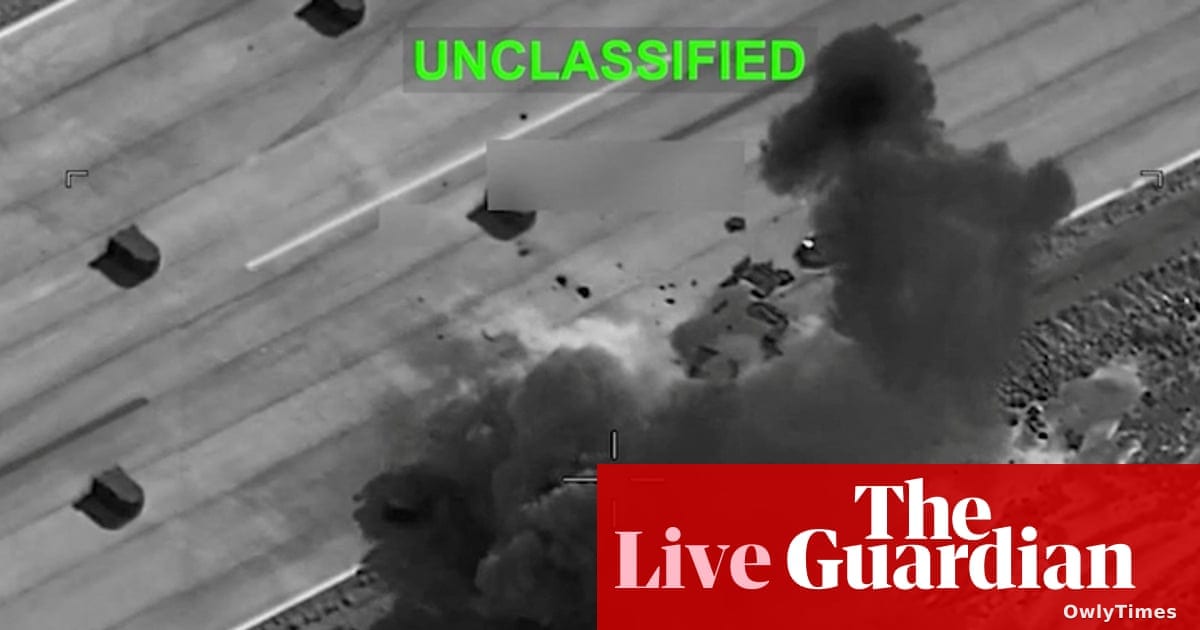
The Esports World Cup (EWC), a massive tournament boasting a $75 million prize pot, officially kicked off in Paris this week after a frantic eight-week relocation from its original home in Riyadh, Saudi Arabia, according to the BBC. Organizers cited safety concerns linked to the escalating conflict between the United States and Iran, a crisis that has rapidly spiraled over the last 48 hours. US Central Command (Centcom) confirmed that the American military launched strikes on 170 targets across Iran, a figure The Guardian reported as the total over two days, while The Independent noted that the US military specified 90 of those strikes occurred on Wednesday morning alone.
The logistics of this shift are a masterclass in high-stakes improvisation. Mike McCabe, COO of the Esports Foundation, described the installation of technical infrastructure at the Paris Porte de Versailles exhibition center as a gargantuan task, requiring enough cabling to stretch from London to Birmingham and back again. For fans and players, the impact is tangible: while some European teams like Team Vitality find themselves suddenly playing on "home turf," the tournament remains tethered to the geopolitical gravity of the Middle East. The Esports Foundation insists this Parisian detour is a one-off, with plans to return to Riyadh next year, though that timeline remains tethered to an unpredictable regional outlook.
The economic ripple effects are already being felt far beyond the gaming arena. As the Strait of Hormuz becomes a focal point for military activity, global energy markets have reacted; The Independent reports oil prices rose roughly 1 percent to $78.80 a barrel following the strikes. Shipping traffic has slowed to a crawl, with only 14 cargo ships passing through the vital waterway on Wednesday—the lowest daily total since the June memorandum of understanding between the US and Iran, according to data cited by The Independent.
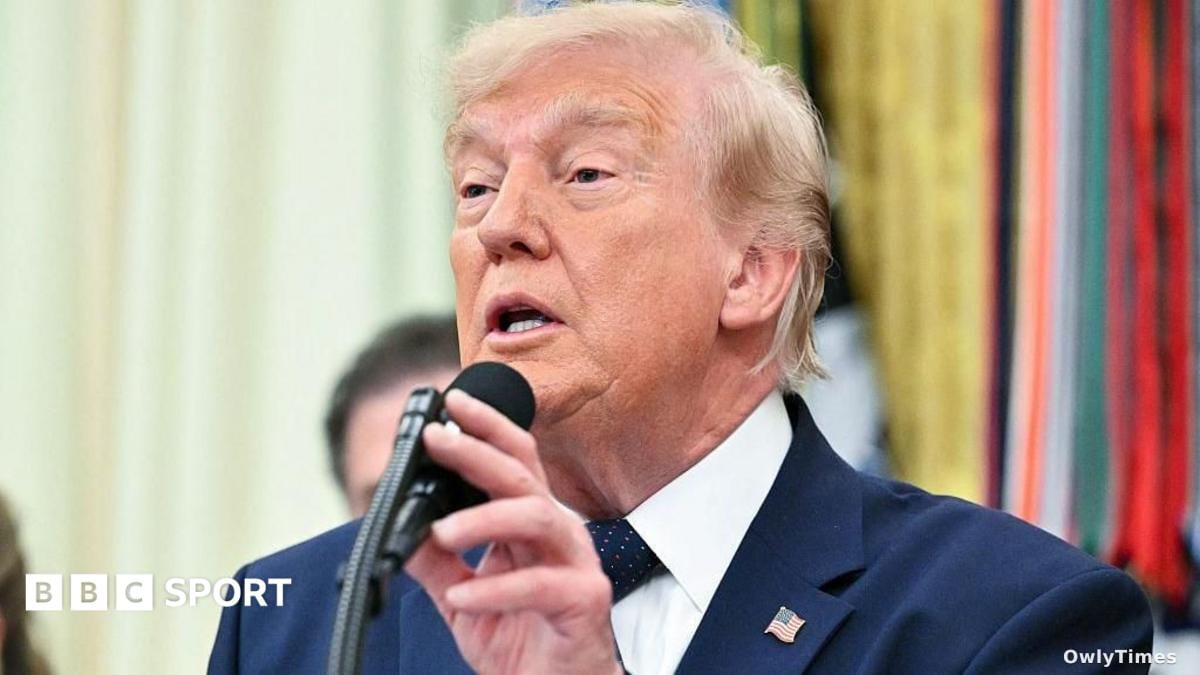
While the esports world adjusts to its new Parisian stage, the broader conflict shows no sign of cooling. President Donald Trump declared the interim truce "over" during the Nato summit in Turkey, according to The Guardian. Meanwhile, Iran’s state media reported retaliatory strikes on US bases in Bahrain, Kuwait, and Qatar, and The Independent notes that at least three people were killed in the overnight attacks.
For the ordinary user, these shifts serve as a blunt reminder that our hyper-connected lives rely on infrastructure—physical, maritime, and digital—that remains highly vulnerable to state-level friction. The next signal to watch isn't in the patch notes of your favorite game; it is the status of the Strait of Hormuz, where the tug-of-war between US-led shipping protection and Iranian management will likely dictate whether the current volatility stabilizes or descends into further regional escalation.