
As Norway prepares for a high-stakes World Cup quarter-final against England this Saturday, the scientific and cultural phenomenon surrounding striker Erling Haaland has reached a fever pitch. While much of the public discourse focuses on his on-field performance—specifically his seven goals in four matches—the intersection of his athletic success and viral digital footprint offers a unique case study in how modern stardom influences tournament narratives.
The Divergence of Metrics and Reality
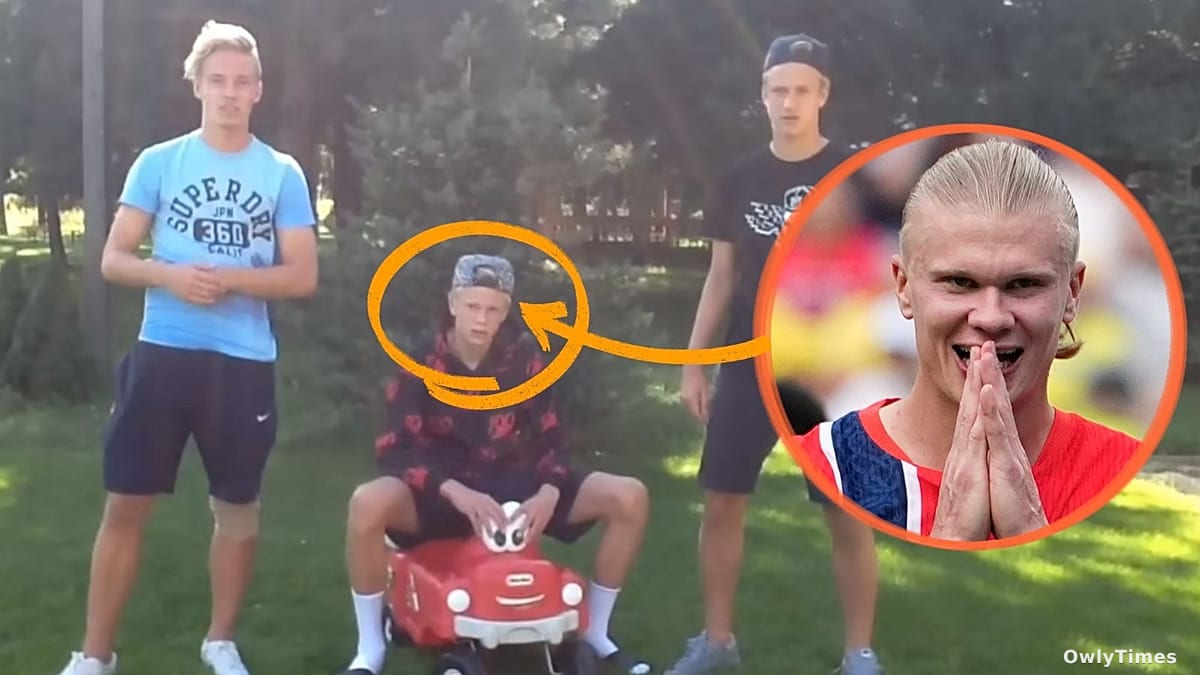
It is common for viral headlines to conflate a player’s social media engagement with their technical probability of success. For instance, while fans online have recently propelled a 2016 rap song by Haaland and his friends, titled ‘Kygo jo,’ to 21 million views on YouTube, according to Euronews, this digital popularity does not translate to competitive advantage. Similarly, headlines often emphasize Haaland’s own past estimations of Norway’s chances. As noted by both The Guardian and the BBC, the 25-year-old forward previously gave his team a mere 0.5% chance of winning the tournament. The study of his current form suggests that while his output is statistically exceptional—having scored in 14 consecutive competitive games for his country—the "expectations" he publicly deflects onto England are part of a psychological strategy rather than a reflection of objective data.
Limitations to Consider
When interpreting these developments, one must distinguish between the "celebrity" narrative and the tactical reality of the quarter-final. While Euronews highlights the "wholesome antics" that have endeared Haaland to global audiences, the BBC reports that England’s coaching staff, including assistant Anthony Barry, remains focused on Norway’s collective threats, such as set-piece proficiency and the presence of captain Martin Odegaard. The primary limitation in assessing this match is the "surprise" factor mentioned by Haaland himself; as this is Norway's first World Cup appearance since 1998, the team is operating outside the historical performance models that typically predict success for established powerhouses like England.
Interpersonal Dynamics and Tournament Context
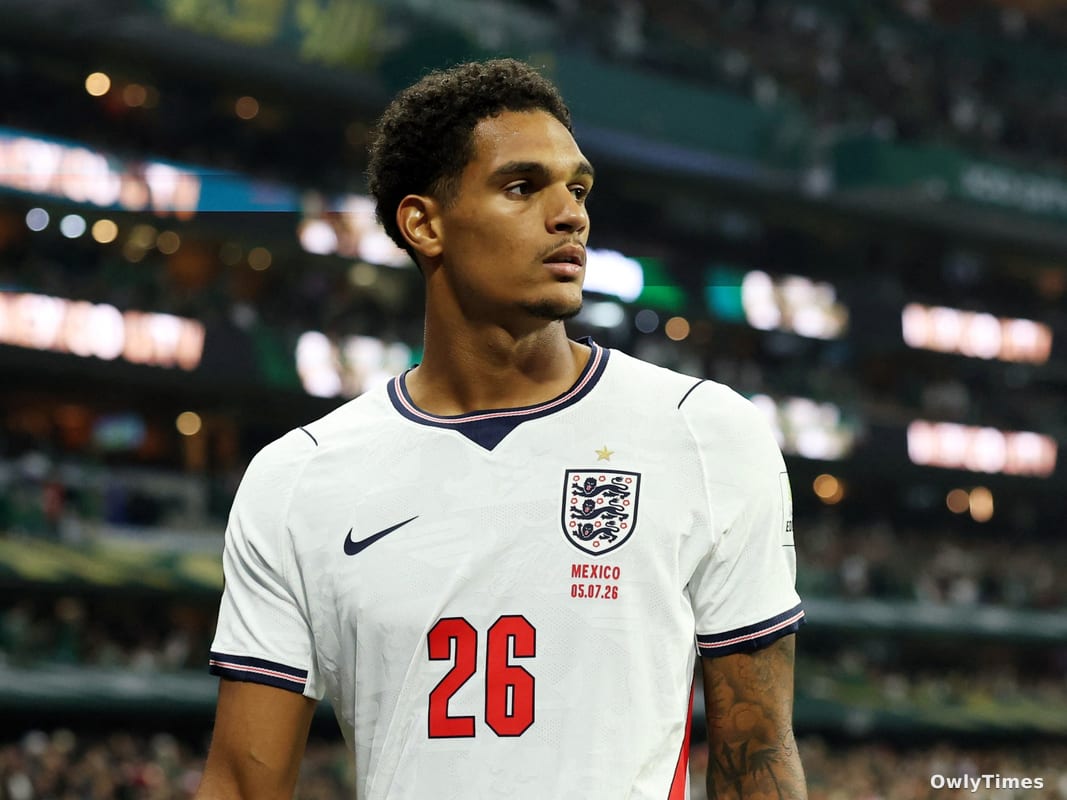
The upcoming match carries a specific personal weight that transcends the statistics of the tournament. Born in Leeds while his father, Alf-Inge Haaland, played for Leeds United, the striker faces a nation he describes as his birthplace. Furthermore, the BBC notes the tactical intersection of club teammates, specifically highlighting that England defender Nico O'Reilly will be tasked with containing Haaland. O’Reilly has publicly characterized Haaland’s comments regarding pressure as potential "mind games," demonstrating the awareness of psychological tactics within the England camp.
Future Research and Next Steps
Moving forward, observers should look toward the match in Miami this Saturday at 22:00 BST. The outcome will provide a measurable data point on whether a team currently playing outside its historical precedent can sustain its momentum against a side with consistent quarter-final experience. While the viral nature of Haaland’s off-field content—from his shopping trips in Dallas to his musical archives—continues to dominate social media, the next research phase is the match itself: a test of whether individual scoring streaks can overcome the structured, collective defensive strategies prioritized by high-ranking opponents like England. Understanding how these variables interact is essential for anyone tracking the evolution of performance under the intense scrutiny of the modern World Cup.