
Is the Silicon Valley obsession with "disruptors" finally bleeding into the quiet, manicured lawns of SW19? The real story here isn’t just the underdog narrative of a wildcard reaching the final four; it’s the shift in how we evaluate talent in an era where data-driven scouting and specialized training are supposed to make such miracles statistically impossible.
At the center of this storm is Arthur Fery, a 23-year-old British wildcard who has become the first of his kind to reach a Wimbledon men’s semifinal since Goran Ivanisevic in 2001, according to Al Jazeera. Fery dismantled Flavio Cobolli 6-4, 7-6 (7/4), 6-0 on Wednesday, a performance so dominant that The Guardian noted it left his opponent looking "utterly debased." While tennis traditionalists might see this as a triumph of grit, the tech-adjacent reality is more nuanced. Fery is a Stanford University alumnus who studied science, technology, and society—a background that mirrors the analytical, methodical approach modern athletes now take to bridge the gap between "promising talent" and "world-class professional," as reported by the BBC.
The financial reality of Fery’s rise also defies the "starving artist" trope of sports. The BBC reports that his family, including father and former Lorient football club owner Loic Fery, has an estimated net worth exceeding £275 million. This isn't to diminish the achievement, but it highlights a growing trend in elite sports where access to high-level coaching and injury management allows players to sustain long-term growth that was once reserved for the ultra-wealthy or the exceptionally lucky. Fery’s ascent to 36th in the world rankings, up from outside the top 100, effectively secures his future, with a guaranteed £900,000 payout that he can now "reinvest" into his career.
On the other side of the bracket, the women’s draw has seen its own structural realignment. Ninth seed Linda Noskova and 12th seed Marta Kostyuk have set up a semifinal clash for Thursday, marking the furthest either player has ever advanced at the All England Club, according to CBS Sports. While Kostyuk enters as a -125 favorite, CBS Sports highlights that Noskova—who won the Berlin Open on grass last month—is currently playing at a career-high ranking of 10. The tactical familiarity between them is high; Kostyuk previously defeated Noskova in the quarterfinals of the Madrid Open earlier this year.
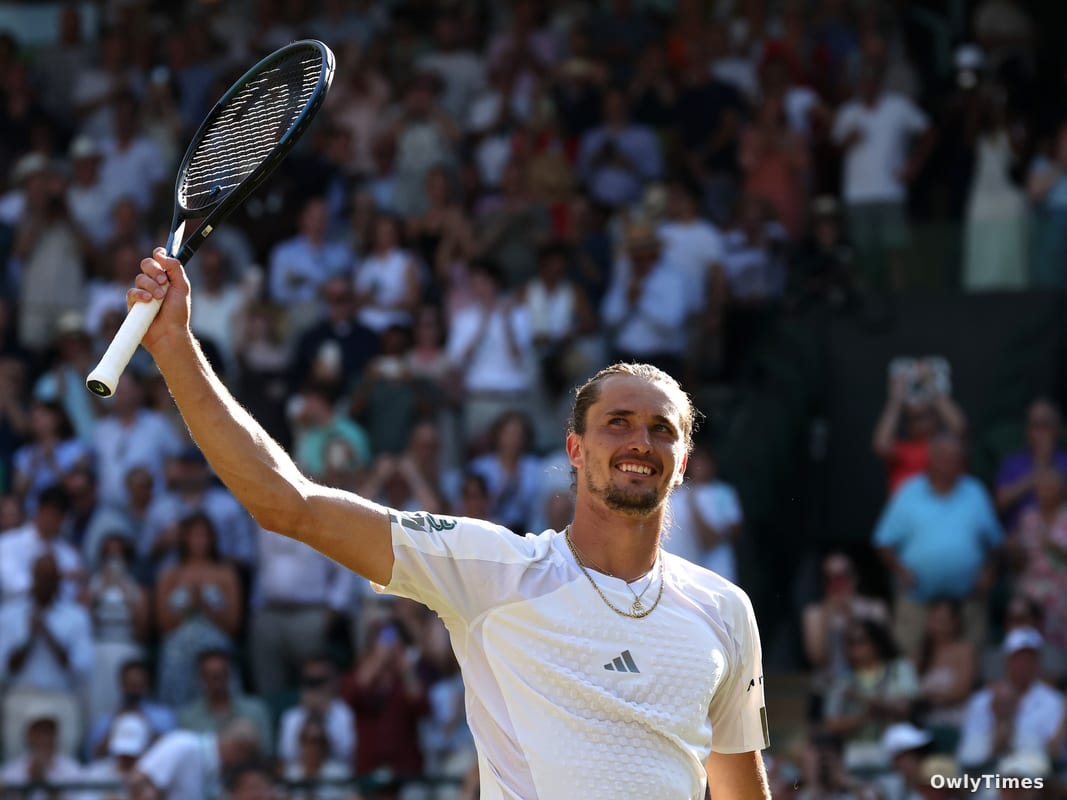
For the men, the path forward is significantly more daunting. Alexander Zverev, who snapped a seven-match losing streak against Taylor Fritz to reach his first Wimbledon semifinal, stands between Fery and the final. Al Jazeera and The Guardian both confirm Zverev won 6-4, 6-4, 6-2, a result that cements his status as a major contender.
The ultimate test for these players won't be on the court, but in the recovery room. With Fery turning 24 this Sunday, he has explicitly stated his ambition to play the final on his birthday. We will see if that ambition holds up when he faces Zverev this Friday, a match that will signal whether the "wildcard" era of 2026 is a fluke or a permanent disruption of the tennis establishment.