
Navigating the Complexities of Community Healthcare: A Chattanooga Shift
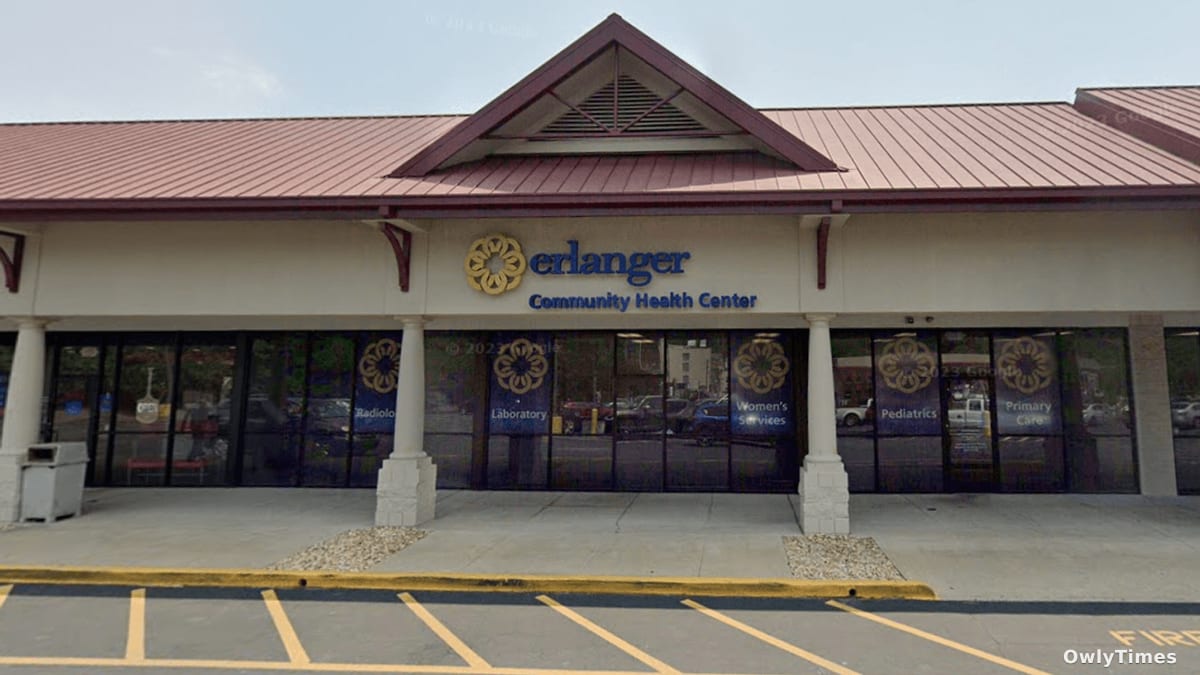
The question of how to sustain accessible healthcare for vulnerable populations is a persistent challenge for cities across the United States. In Chattanooga, Tennessee, this question is taking a particularly complex turn with the potential transfer of management of four Erlanger-affiliated community health centers – Southside, Dodson Avenue, Premier Health, and the Howard School-Based Health Clinic – to Cempa Community Care. While initial reports focus on a simple “transition,” the situation reveals a deeper restructuring of how public healthcare assets are managed following the 2022 separation of the Chattanooga Hamilton County Hospital Authority and Erlanger Health. It’s not merely a change in administration, but a strategic maneuver dictated by federal regulations and aimed at ensuring the long-term viability of these crucial sites.
The announcement on February 18, 2026, of a non-binding letter of intent between the Authority and Cempa is, crucially, the first step in a process governed by the Health Resources and Services Administration (HRSA). This isn’t a quick sale or a simple outsourcing agreement. It’s a “Successor-in-Interest” process, a pathway specifically designed for federally qualified health centers to ensure continuity of care when management changes hands. The Authority’s selection of Cempa wasn’t based on the lowest bid, but on their demonstrated capacity to navigate this intricate HRSA framework – a framework built around maintaining access for underserved communities. This detail is often lost in initial coverage, which tends to portray the move as a cost-saving measure or a simple administrative shift. The Authority explicitly cited Cempa’s “mission of compassionate care” and their existing operational alignment with HRSA requirements as key factors in their decision.
Reporting from newschannel9.com informs this analysis.
The Aftermath of Separation: Why These Clinics Needed a New Path
To understand the current situation, it’s essential to remember the context of the 2022 split between the Authority and Erlanger Health. Following the separation, the four community health centers remained under the Authority’s umbrella, but continued to rely heavily on Erlanger for various services and personnel. This created a somewhat precarious arrangement. While the Authority retained ownership, the operational dependence on Erlanger meant the centers lacked the full autonomy needed to thrive independently, particularly in a changing healthcare landscape. The Authority’s statement doesn’t explicitly detail the financial pressures driving this decision, but the pursuit of a Successor-in-Interest process suggests a need for a partner with a distinct financial and operational model capable of securing long-term funding and navigating the complexities of modern healthcare reimbursement. The HRSA process, while rigorous, offers a pathway to sustained federal funding that might not be available under the Authority’s current structure.
What a “Successor-in-Interest” Actually Means for Patients
The HRSA Successor-in-Interest process isn’t simply a bureaucratic hurdle; it’s a safeguard for patients. It requires Cempa to demonstrate its ability to maintain – and ideally improve – the level of care currently provided at the four sites. This includes ensuring continuity of patient records, maintaining staffing levels, and upholding the same scope of services. However, the process doesn’t guarantee identical care. Changes in insurance acceptance, appointment scheduling, or even the specific providers available are possible, though HRSA oversight aims to minimize disruption. It’s important to note that the letter of intent is non-binding. This means the Authority and Cempa can still walk away from the deal, though doing so would necessitate finding another solution to ensure the centers’ sustainability. The Authority has not publicly outlined contingency plans should the HRSA process fail.
Limitations to Consider: Transparency and Community Input
While the stated goal is long-term sustainability, the process so far has lacked robust public engagement. The initial announcement was relatively brief, and details regarding the potential impact on patients and employees remain limited. The Authority’s website currently offers minimal information beyond the press release. This lack of transparency raises concerns about community input and the potential for unintended consequences. Furthermore, the success of the transition hinges on Cempa’s ability to seamlessly integrate these four sites into their existing network. Cempa primarily focuses on HIV/AIDS care and related services; expanding their scope to encompass comprehensive primary care at these locations will require significant logistical and financial investment. The Authority has not publicly disclosed the financial terms of the potential agreement with Cempa, leaving unanswered questions about the long-term financial stability of the centers.
The next crucial step is the formal application to HRSA, a process that could take several months. Chattanooga residents should be watching for opportunities to provide feedback during the HRSA review period, and for detailed information from both the Authority and Cempa regarding the specific changes patients and employees can expect. The key question isn’t simply if these health centers will remain open, but how the transition will impact the quality, accessibility, and cultural sensitivity of care for the communities they serve. Will Cempa successfully broaden its scope to meet the diverse needs of these populations, or will the pursuit of financial sustainability come at the cost of diminished services? That’s the scenario Chattanooga needs to be prepared for.