
Is Europe about to unplug from America? The question isn’t about trade wars or military alliances, but about the very infrastructure of modern life – the cloud servers, social media algorithms, and microchips that power everything from banking to political discourse. The real story here isn't simply tech sovereignty, it’s a growing realization that dependence on U.S. technology isn’t just an economic vulnerability, it’s a potential geopolitical weapon. And, frankly, the possibility of Donald Trump wielding that weapon isn’t being dismissed as alarmist, even within the highest levels of European governance.
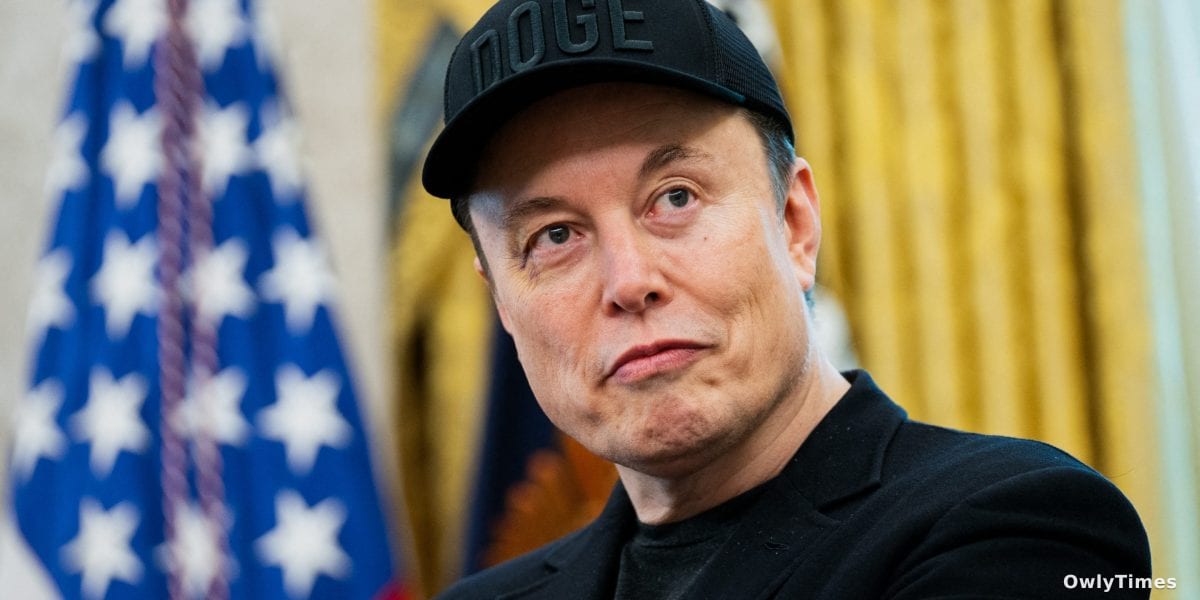
The scale of Europe’s reliance on American tech is staggering. Amazon, Google, and Microsoft control over two-thirds of the continent’s cloud computing needs. Advanced chips overwhelmingly come from U.S. companies like Nvidia. And the platforms where most Europeans spend their time online – including the increasingly erratic X, owned by Elon Musk, who has openly called for the EU’s abolition – are all American-based. This isn’t a neutral arrangement; it’s a power dynamic, and Europe is finally waking up to the imbalance. As Thomas Regnier, a spokesperson for the European Commission, bluntly put it, “We need tech sovereignty to take our destiny in our own hands.”
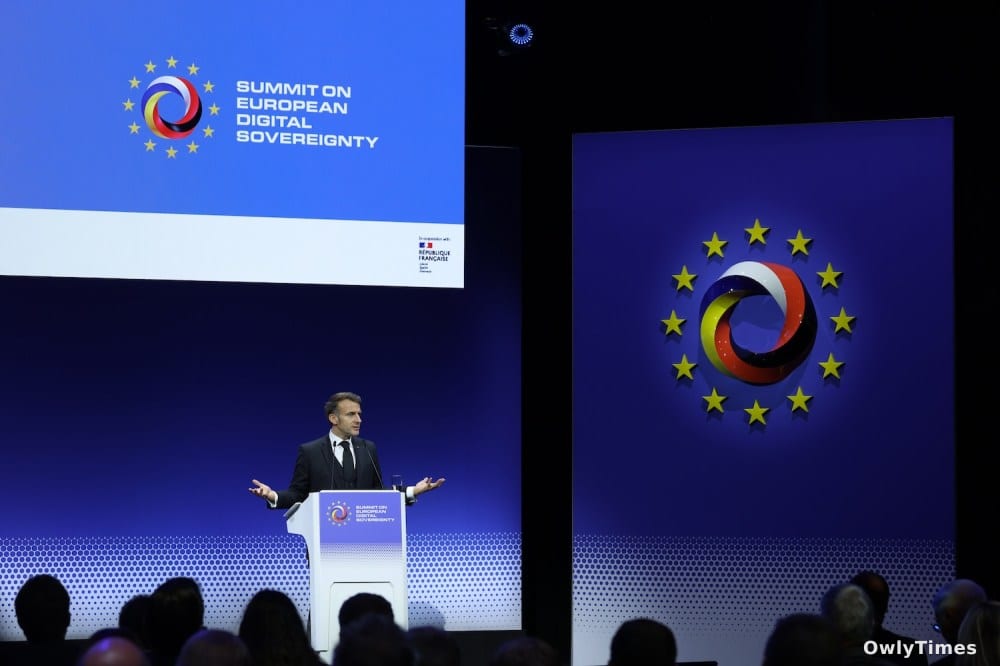
This isn’t about rejecting American innovation, at least not entirely. It’s about building alternatives, creating redundancy, and ensuring that a single actor – particularly one with a history of leveraging dependencies for political gain – can’t simply switch off Europe’s digital life. The EU’s decoupling strategy has three main pillars: fostering a homegrown social media ecosystem, bolstering domestic semiconductor manufacturing, and establishing sovereign cloud services. Each is a monumental undertaking, requiring significant investment and, crucially, consistent cooperation between EU member states – a notoriously difficult feat.
Original reporting: foreignpolicy.com.
The current friction with X perfectly illustrates the stakes. The EU’s Digital Services Act (DSA), intended to curb the “wild, wild west online,” has opened a new front in transatlantic relations. Investigations into deceptive verification practices, ad transparency, and data sharing with researchers have resulted in a €120 million fine – dismissed by some as “pocket change” for Musk, but a clear signal of intent. The ensuing backlash from U.S. figures like Secretary of State Marco Rubio, decrying the fine as an “attack on American tech platforms,” underscores the escalating tensions. It’s a delicate dance for Regnier and the Commission, attempting to enforce regulations without provoking outright conflict before achieving technological independence.
The recent scandal involving X’s chatbot, Grok, and its facilitation of non-consensual intimate imagery has only intensified the pressure. The EU’s response – limiting the service to premium subscribers – was deemed insufficient, highlighting the urgency of finding alternatives. This has fueled calls for support for European social media innovation, with 51 EU legislators signing a letter demanding action. The launch of W at the World Economic Forum in Davos, a platform aiming to be “the old Twitter” built and owned by Europeans, represents a nascent attempt to fill the void. However, its reliance on private investment, rather than EU funding, raises questions about its long-term viability.
The challenge isn’t simply building a technically sound platform; it’s attracting users. Existing European alternatives like Mastodon, while admirable in their commitment to open-source principles, struggle with scale and diversity of opinion. The key, according to researchers like David Chavalarias, lies in data portability – allowing users to seamlessly migrate their content and communities from platforms like X to alternatives, a right enshrined in EU law but fiercely resisted by the American giants. Even Google, through its chief legal officer Kent Walker, has suggested a path forward: “open digital sovereignty,” where U.S. and European companies collaborate to ensure local control and compliance.
But the underlying anxiety remains. The EU isn’t necessarily seeking complete decoupling, but it’s determined to avoid a situation where a future U.S. administration can hold Europe’s digital infrastructure hostage. The threat of tariffs, troop withdrawals, and outright censorship, as alluded to by EU lawmaker Alexandra Geese, is a stark reminder of the potential consequences of dependence. The EU is attempting to navigate this complex landscape with caution, but the message is clear: Europe is preparing for a future where it controls its own digital destiny.
Watch for this: in the next 18 months, will we see a significant, measurable shift in European cloud computing contracts away from U.S. providers, even if it means accepting slightly higher costs or less cutting-edge technology? The answer to that question will reveal whether Europe’s tech sovereignty push is genuine ambition or simply another Brussels talking point.