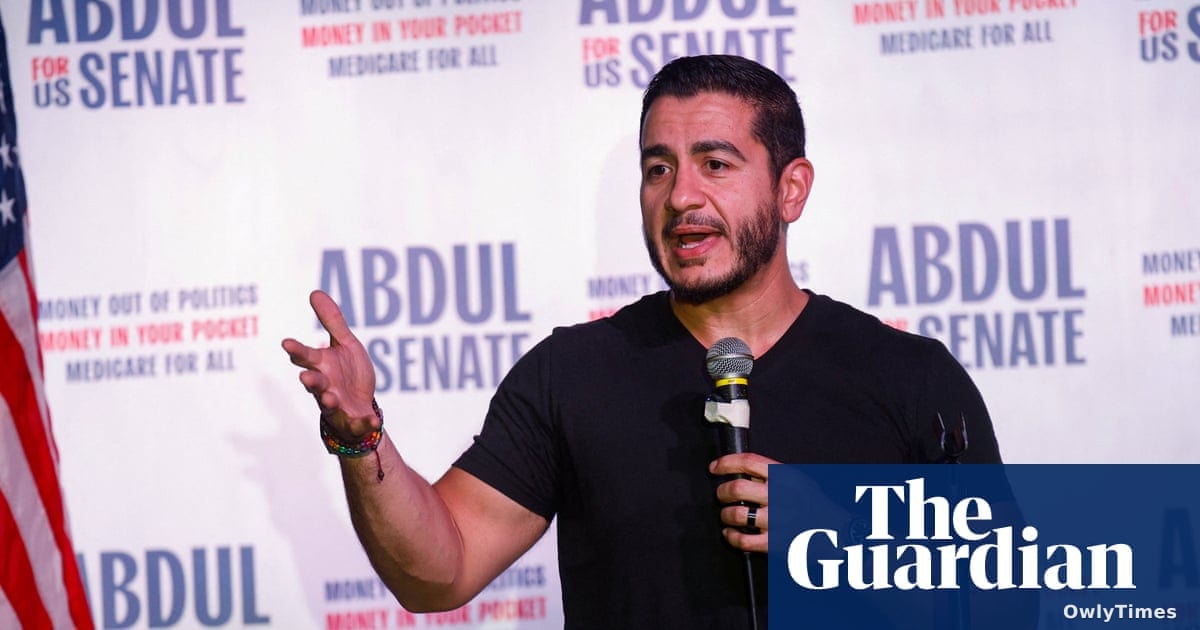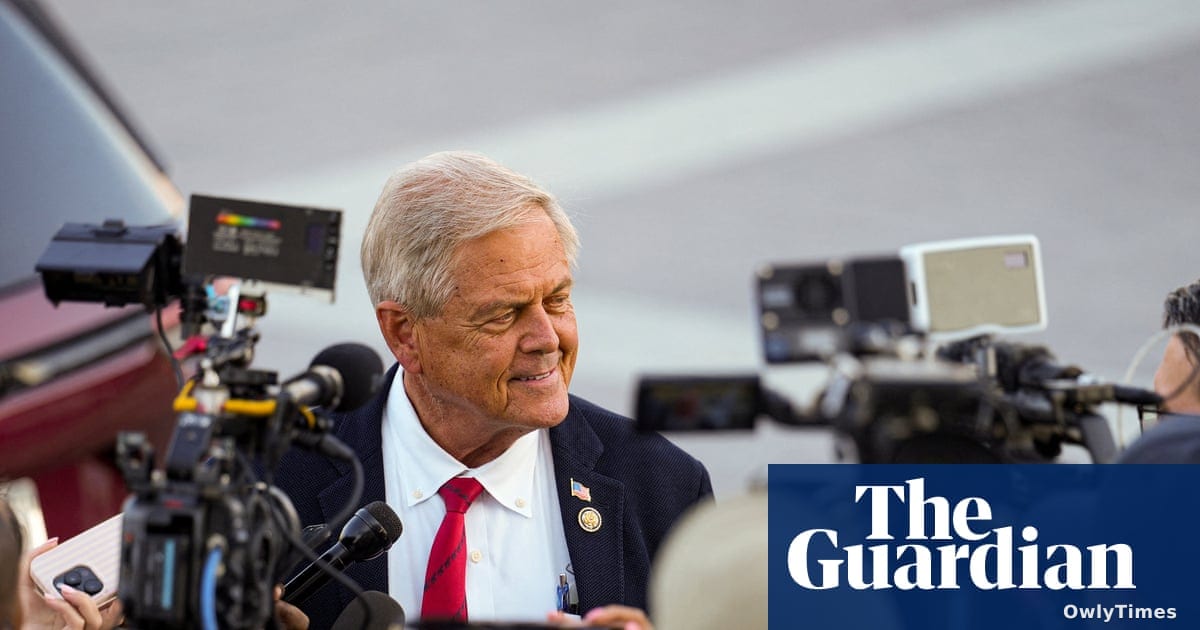

The strategic calculus behind Ralph Norman’s decision to challenge a hand-picked candidate of Donald Trump suggests a calculated gamble by the South Carolina Republican: he is betting that his alignment with the former president’s legislative agenda—specifically the "SAVE America Act"—outweighs the political capital Trump has invested in Darline Graham. By positioning himself as the movement’s true ideologue, Norman is attempting to bypass the traditional patronage system of the GOP, forcing voters to choose between institutional loyalty to the Trump-endorsed successor of the late Sen. Lindsey Graham and a candidate promising to aggressively dismantle the Senate’s legislative barriers.
A Primary Defined by Presidential Favor
The political dynamics of the South Carolina special primary, set for Aug. 11, have been upended by the sudden death of Lindsey Graham on July 11, according to The Guardian. The vacancy triggered an immediate scramble, with Gov. Henry McMaster appointing Darline Graham to the seat, a move that NBC News notes made her the first woman to represent South Carolina in the Senate. Trump moved swiftly to consolidate influence, publicly endorsing Darline Graham on Truth Social and encouraging her to seek a full six-year term, a development CBS News confirmed followed a direct White House meeting between the president and the new senator.
The Challenger’s Legislative Gambit
Norman, a 73-year-old representative from Rock Hill, is leveraging his status as a member of the House Freedom Caucus to distinguish his platform. While he acknowledged to CNN that he had unsuccessfully sought Trump’s blessing before launching his bid, his rhetoric is squarely focused on the "America First" agenda. Norman told Fox News that his primary objective is to "nuke the filibuster" to ensure the passage of the SAVE America Act, positioning himself as a more effective instrument of executive will than the political newcomer, Darline Graham.
Who benefits and who loses in this contest depends on the electorate's appetite for ideological purity versus stability. Norman benefits from the support of senators like Rick Scott and Mike Lee, who endorsed his campaign on July 17, providing him with a base of support within the Senate GOP. Conversely, Darline Graham, 62, relies on the institutional weight of the White House and the potential support of Sen. Tim Scott, who expressed openness to her candidacy, noting that she has been off to a "remarkable start."
Historical Precedents and Power Dynamics
The speed of the transition—with a sibling replacing a deceased senator for the first time in history—underscores the fragility of the current Senate majority. Historically, such swift appointments serve to prevent power vacuums, yet this instance has invited a contentious primary that risks dividing the party base. The race is further complicated by the entry of other candidates, including businessman Mark Lynch, who previously challenged Lindsey Graham in the June primary, and lawyer Duke Buckner.
The political chess move to watch next is the formal candidate filing deadline on July 21. While Darline Graham has yet to officially declare her campaign despite the president's "Complete and Total Endorsement," the formal entry of Norman and other challengers into the Aug. 11 primary will signal whether Trump’s endorsement remains the ultimate arbiter of Republican electoral success in South Carolina, or if legislative promises can successfully disrupt the president’s chosen succession plan.